


| Common Name | Emerald Blue Creeping Phlox, Moss Pinks, Moss Phlox | Maintenance | low |
|---|---|---|---|
| Native Region | Phlox subulata, the parent species, is native to the United States | Average Height | 4-6 inches |
| Plant Type | Herbaceous Evergreen Perennial/Groundcover | Average Width | 12-24 inches |
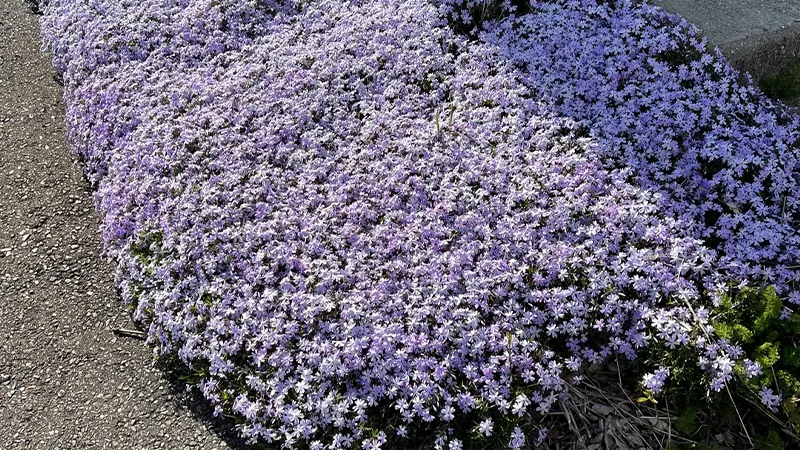
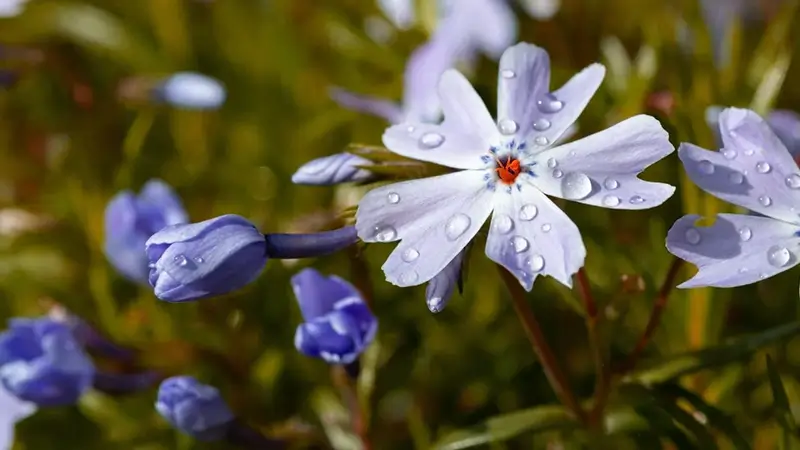
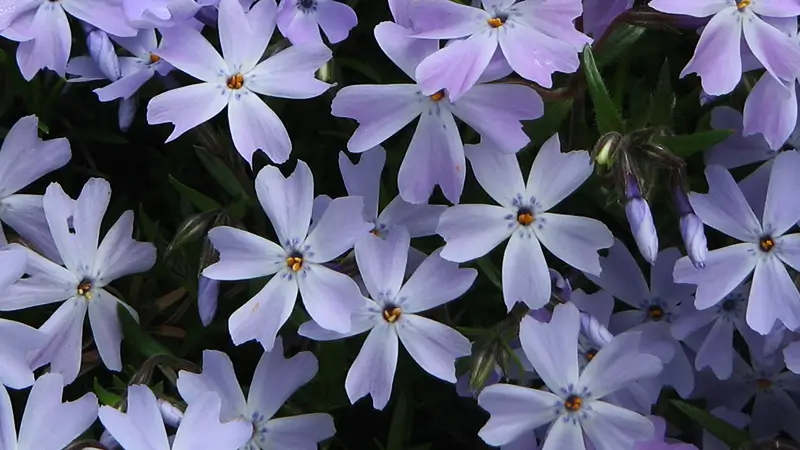
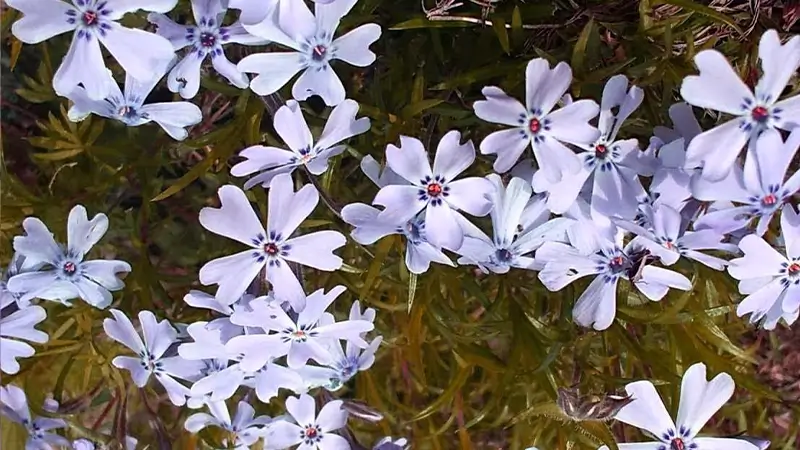
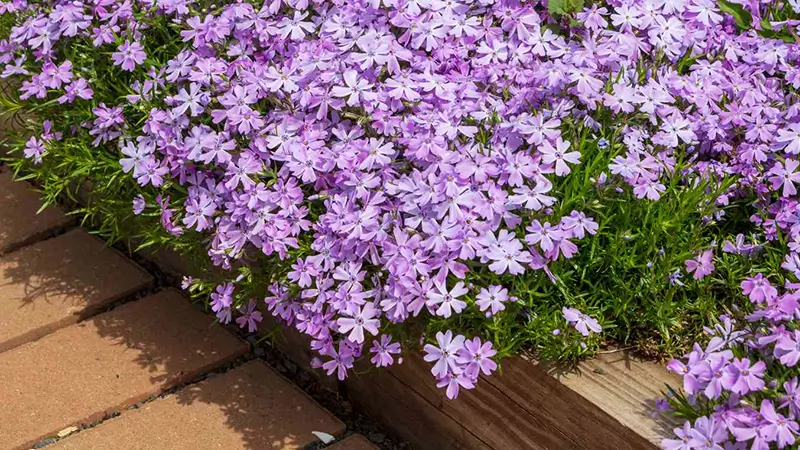
Blue Emerald Creeping Phlox, scientifically called Phlox subulata ‘Emerald Blue’, is an evergreen perennial groundcover with hundreds of lavender blue flowers. The delicate flowers appear in mid-to-late spring and cover the needle-like leaves completely, forming a blanket-like shape.
Key Features and Benefits of Emerald Blue Creeping Phlox
- Even in the non-blooming season, the Creeping Phlox Emerald Blue foliage remains present and evergreen throughout the year.
- Thanks to its robust root structure, it is excellent for controlling soil erosion on slopes, banks, and in rocky terrain by binding loose soil together.
- Creeping Phlox Blue Emerald supports biodiversity by attracting various pollinators, including butterflies and bees.
- The dense, fast-growing mat structure naturally suppresses weed growth by depriving them of sunlight and physical space.
Care Guide, Advantages, and Disadvantages of Emerald Blue Creeping Phlox
- Growing Zone : Hardy in USDA Zones 2-9
- Sunlight Exposure : 6 to 8 hours of direct sunlight is required to maximize the blooms, though it can tolerate light shade in an extremely hot environment.
- Water Needs : Regular watering is suggested when planting. Once established, it is drought-tolerant and needs dry to light moist soil.
- Soil Type : Well-drained sandy and rocky soil with alkaline and slightly acidic pH.
Advantages
- Once established, it is highly self-sufficient and requires little to no care.
- Provides stunning visuals of a dense carpet mat of abundant blooms for 3-4 weeks in spring.
- Generally ignored by rabbits, deer, and woodcutters.
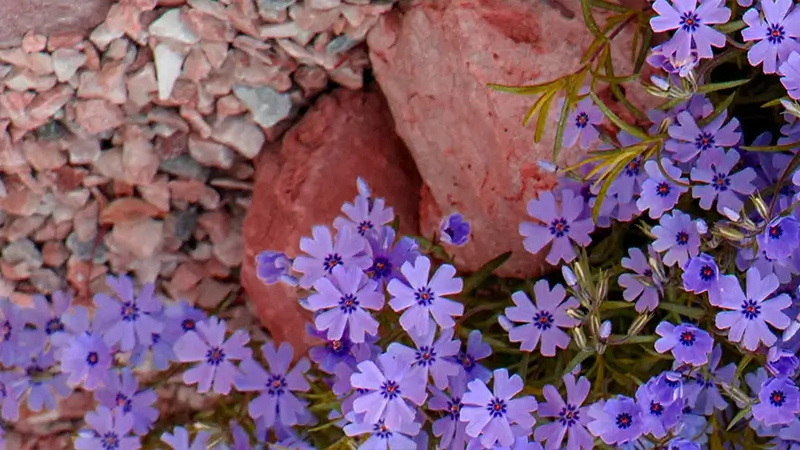
- Offers versatile landscape use, including rocky terrains, sunny banks, and slopes.
Disadvantages
- Susceptible to root rot if the soil remains soggy and waterlogged, especially in winter.
- To maintain a neat and beautiful look and potential for reblooming, it requires consistent pruning.
- Can attract spider mites in hot and dry weather.
- Requires full sun; insufficient exposure leads to poor blooming and sparse growth.


Gerald Davies –
In spring, the plant appears to be completely covered with the star-like lavender blue flowers, becoming absolutely eye-catching.
Amelia Brook –
To my surprise, the plant was effortless to grow. I planted it, and once it got established, it needed almost no care from my side. Highly recommended for busy gardeners.
John Roberts –
It is planted in my school garden. When the plant blooms, it offers a “sea of color” effect. The best part is that the foliage remains evergreen all year, contributing to the overall greenery.
Hazel Richardson –
Works as a perfect butterfly and bee magnet in the blooming season. The flowers are full of color, and they certainly beautify the backyard.
Andrew Lewis –
Emerald Blue Creeping Phlox was bought from YourHomify as an addition of color around the garden border, and I have found this very exciting. The plant is very healthy and well-adjusted. I can’t wait until it starts flowering and forms its blue purple carpet.
Bob Rogers –
This was a wonderful plant for my garden. The Emerald Blue Creeping Phlox that I received from you was in great condition, and its leaves looked very healthy. I have placed it among some rocks, and I hope that it looks beautiful when it grows.