

A home’s comfort is not determined only by furniture or decor – it is also shaped by how well it manages light, heat, and airflow. Smart fenestration choices or carefully chosen windows, doors, and glazing systems play a crucial role in regulating indoor temperature and enhancing the overall living quality.
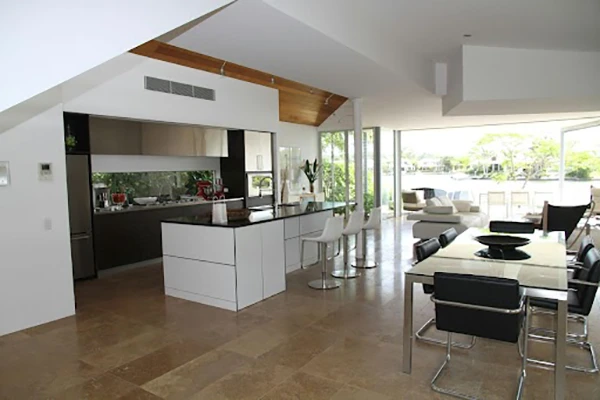
By thoughtfully selecting fenestration elements, homeowners can create spaces that stay cooler in summer, warmer in winter, and brighter throughout the year – without relying on any artificial systems.
When the decisions are based on strategy rather than impulse, they work the best. A wide range of aluminum windows proves extremely capable, especially in the modern market, because of strong lines, slim frames, and long-term resilience
Climate as the First Designer
Finalize the design and finishing elements as per the climatic conditions of the area you are living in.
- Hot regions ask for controlled light and deeper shadows; cooler regions need openings that welcome warmth without losing it later. In temperate areas, the aim becomes balance, not extremes.
- Windows must cooperate with the climate, not challenge it. Frames, glazing, placement, and shading all behave differently depending on the environment.
Harnessing the Sun Intentionally
A home that embraces sunrise or sunset gains a natural rhythm. South-facing openings draw in warmth on cooler days, if the glazing is adequately thick. East-facing windows deliver morning softness, which makes them ideal for bedrooms and quieter corners.
In hotter climates, the aim shifts—not to banish sunlight, but to filter it. Deep eaves, exterior screens, and tall vegetation reshape the path of heat before it ever reaches the glass.
Preventing Unnecessary Heat or Cold
Good fenestration doesn’t simply invite light; it also analyzes the movement of temperatures. Double glazing, treated glass, and thermally broken frames build a boundary that feels invisible. These elements keep interior warmth contained on cold nights and block out simmering heat once summer arrives.
Comfort becomes less about battling the weather and more about aligning the home with it.
Spatial Flow and the Quiet Geometry of Openings
Beyond climate, windows choreograph how rooms relate to one another. They guide the eye, hint at pathways, and establish pockets of activity or rest. Far from mere decoration, their geometry determines how a space feels from the moment you enter.
Layering Views for Depth
A well-positioned window can give a small room a sense of expansion. By aligning sightlines through multiple openings, the interior begins to feel layered, almost like a sequence rather than a box.
This technique works in both compact and generous homes. The framing of trees, rooftops, or sky can anchor a room, making it feel grounded despite its size.
Strong Lines, Soft Interiors
Slim-framed windows—aluminium being a prime example—introduce clarity without noise. The structure stays strong, but the visual presence remains minimal. This contrast creates rooms that feel airy, even with substantial glazing.
Furniture can sit closer to these windows without feeling cramped, since the boundaries appear lighter and less imposing.
Ventilation as a Daily Luxury
Airflow rarely receives the admiration it deserves. Fresh air crossing a room changes the quality of living in ways that lighting alone cannot. Yet the design of openings decides how effectively this natural movement unfolds.
Cross-Breezes Without Chaos
The goal isn’t simply to open two windows and hope for magic—it’s to guide breezes, so the air slips through in a straight, purposeful line. Positioning operable windows across from each other or along adjacent walls creates a natural circuit.
This arrangement cools the home gently, and it does so without the mechanical hum of air conditioners.
Glazed Areas That Still Breathe
Large panes don’t always mean sealed-off rooms. The modern approach blends generous fixed glass with strategically placed operable sections—awnings, casements, small pivot panels.
This combination ensures rooms stay bright without sacrificing daily airflow.
Privacy Without Closing Off the World
Comfort also depends on how secure a room feels. Not all openings need to be transparent, and not all privacy solutions need to be heavy-handed. The key is designing filters, not barriers.
Elevation as a Shield
Raising the height of certain windows maintains privacy while allowing light to flood the room. High clerestory openings, for example, can brighten a bathroom or hallway without exposing it to outside views.
This tactic allows the interior to glow softly, untouched by prying eyes.
Textures That Conceal and Reveal
Frosted glass, fluted textures, and patterned glazing can obscure details while maintaining the play of natural light. Instead of blocking views entirely, they blur them—turning privacy into a tactile experience rather than an abrupt division.
These textures add character to the room, interacting with light in shifting patterns.
Material Matters: The Quiet Debate Behind Frames
Frames affect performance, longevity, and visual tone. Timber brings warmth. PVC offers affordability. Steel adds strength but commands careful maintenance. And aluminium presents a neat blend of durability, refinement, and resistance to warping.
The key is matching the frame’s personality to the home’s attitude. Some spaces call for softness; others demand crisp precision.
The Enduring Appeal of Aluminium
Aluminium windows stand out because of their structural confidence. They hold large panes without bulking up the frame, allowing for broad views and crisp geometry.
Maintenance stays low, and the material remains steady through the years—no swelling during storms, no shrinking in dry heat. The range of aluminium windows available today also means homeowners can choose exactly the profile that suits their architecture: slender lines for modern builds, chunkier frames for industrial themes, powder-coated tones that blend or contrast.
Timber, PVC, and Mixed Approaches
Other materials still play their roles. Timber softens a room with its natural grain. PVC offers a cost-effective, thermally efficient option for modest budgets. Hybrids merge timber interiors with metal exteriors, combining warmth with resilience.
The beauty of fenestration lies in these choices—the blend of aesthetics and technical wisdom.
When Fenestration Becomes Part of the Home’s Character
Some houses feel as though their windows belong to them the way eyes belong to a person. The alignment, height, and rhythm of these openings give the structure personality. It’s not a flamboyant design, just thoughtfully composed light and air.
Openings That Guide Daily Rituals
Morning light can determine where the bed sits, how the kitchen comes alive, or where a reading chair nestles. Spaces behave differently based on the way daylight enters them.
A home with mindful fenestration feels choreographed—not stiffly, but with intention.
Nighttime as a Second Design Phase
When the sun falls, windows turn into lanterns. Their glow shapes the exterior presence of the house. Curtains, shades, and the spacing of openings determine how warm or dramatic the home appears at night.
Fenestration plays a double role: inside comfort and exterior expression.
Final Thoughts: Designing With Light, Air, and Quiet Strength
Smart fenestration isn’t about filling walls with glass or chasing the newest trend. It’s about crafting a home that aligns its inner life with its surroundings. Openings can provide comfort with more precision than many mechanical systems, given the chance.
By choosing materials wisely—drawing from a generous range of aluminum windows, or mixing them with timber or PVC—homeowners create more than a façade. They shape experiences: how the day begins, how evenings settle, how rooms rest in silence.
A comfortable home is not simply built; it is lit, ventilated, softened, and framed into existence.
Frequently Asked Questions
According to Vastu rules, how many windows or doors are recommended to have in a house?
As per the Vastu principles, it is ideal to have an even number of windows and doors in your house; however, the number 10 should be avoided.
Why is fenestration important for house comfort?
Smart and strategic fenestration is important to strike a balance between comfort and the aesthetics of the house. It makes the living environment more friendly and livable.
How do energy-efficient windows help in reducing the bills?
Energy-efficient windows minimize the heat transfer, which reduces the need for air conditioning during peak summers and heating systems during winter, therefore reducing the bills.
Can smart fenestration reduce the noise in urban systems?
Yes, features like double or triple glazing and proper sealing significantly reduce external noise in an urban setting.