An excellent landscape goes beyond just being attractive. It directs attention, enhances the house’s appearance, and indicates that the property has been well-maintained.
With careful planning, you can convert outdoor space into genuine indoor value. Making thoughtful decisions early on ensures the entire property appears complete and ready for occupancy.
In this blog post, we are going to explore more layers of these enhancement approaches for new owners and aspiring retailers to guide their perspective with more clarity.
Let’s begin!
Key Takeaways
- Understanding the curb appeal in setting initial expectations
- Deciding the best design language for low maintenance
- Looking at the simple upgrades that create big impacts
- Discovering why material edges and lighting play a pivotal role
Curb Appeal Sets The First Impression
People decide how they feel about a home in seconds, so the front approach matters. Tidy beds, a healthy lawn, and a clear path to the door create an easy yes for the brain.
Symmetry at the entry and a simple plant palette keep the look calm, not chaotic. Choose one focal point near the door so the eye knows where to land, like a small tree or statement pot.
Choose colors with intention. One accent hue on pots or the front door is enough to set the tone without visual noise, and it helps the house pop in listing photos.
Interesting Facts
The home improvement market includes both the professional and consumer sectors. The professional market is projected to grow by 2.7% in 2026, while the consumer market is expected to grow by 3.9%, according to the Home Improvement Research Institute.
Design That Fits The Home
Match landscape lines to the architecture. You can echo the house with coordinated materials and details, a local option like Platinum Decking can unify deck colors, rails, and steps so hardscape and plantings read as one story. Keep the front walk straight and welcoming if the facade is modern, or softened with gentle curves if the style is cottage.
Keep heights proportionate so that plants frame rather than hide the facade. Repeat the shapes and spacing of the windows, steps, and trim to make the yard feel like it belongs to the home.
Edit the plan as you go. If a bed looks crowded on paper, it will feel smaller in real life, so leave breathing room around entries and views.
Smart Planting For Low Maintenance
Choose hardy, region-friendly plants to lower water and weekend work. Evergreens give four four-season structure, then perennials add color while staying tidy when cut back.
Group plants by sun and water needs so irrigation stays simple and costs do not creep up. Use mulch to hold moisture and cut weeds, and limit the palette so the yard reads neat from the street.
Mind the growth curve. Small shrubs become medium fast, so place them with mature size in mind to avoid constant pruning and blocked windows.
Outdoor Living That Works Hard
Spaces sell when they solve daily life. A small patio for weekday dinners and a larger zone for weekend guests make the yard feel bigger.
- Create zones for dining, lounging, and play
- Size patios to furniture, not the other way around
- Leave clear, well-lit paths between doors and spaces
Add shade where the afternoon heat hits, and place seating to catch the best view. Keep grills and fire features a safe distance from structures and plantings.
Think storage, too. A discreet spot for cushions, a hose reel, and a bin for toys keeps surfaces clear so the space photographs and shows well.
Simple Upkeep With Big Payoff
Basic maintenance often beats expensive makeovers in return. A home and garden publication reported that standard lawn care costing a little over $400 can pay back close to $900 at resale, which is roughly a 2:1 return.
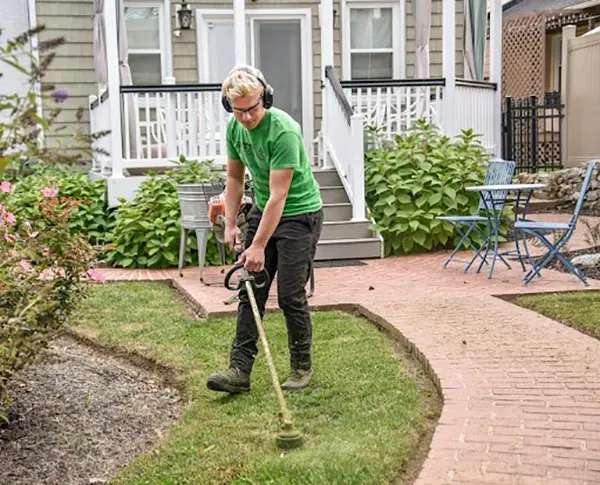
Routine edging, fresh mulch, and trimmed shrubs send a strong signal that the whole property is move-in ready. Keep gutters clean and downspouts directed away from beds so splash does not undo your work.
Schedule quick touch-ups. A monthly pass to pull weeds, clip straws, and refresh mulch at the front walk keeps curb appeal high all season.
Materials, Edges, And Lighting Matter
Crisp edges make everything look intentional. Use a clear border between lawn and beds so mowing is fast and clean, and repeat hardscape textures so paths and patios feel unified.
Limit the number of stone types, and echo one color from the house trim to make the whole scene read as one design. Low-voltage lighting along paths and at focal points adds safety and draws the eye at dusk.
Put it to the test at night. Stand on the street or near the door to confirm that the lighting guides the steps, highlights the entry, and reduces glare in windows.
Exterior Projects Lead On ROI
When budgets are tight, prioritize the outside. A 2024 Cost vs. Value summary noted by a major real estate resource found that 8 of the top 10 highest ROI projects are exterior work, which shows how curb appeal drives buyer interest.
Think of the landscape as a frame that boosts every photo and showing. If you phase upgrades, start at the street and front walk, then move to the entry and main patio where buyers spend time.
Track results as you list. Fresh photos after simple updates often earn more clicks, and better online engagement can translate into stronger offers and faster sales.

Buyers do not need a show garden. They want a home that feels finished, easy to care for, and ready for real life. With clean lines, smart plants, and a few hardworking upgrades, your landscape can increase value while also making every day outside more enjoyable.
FAQ
What landscaping adds the most value?
It adds a natural flagstone walkway, two stone planters, several flowering shrubs, and a deciduous tree.
Which home improvement has the highest ROI?
Bathroom redesign and renovations bring the highest ROI in the real-estate segment and carry the potential to provide up to 80% percent returns.
What is the 3-5-7 rule in interior design?
It is a basic interior design guideline that says decor items look better when grouped in odd numbers.