Adding a Wood Stove to Your Home: A Complete Guide to Cozy Living

By Jimmy BlackUpdated onFeb 02, 2026

Transform your living space into a warm, inviting retreat with the timeless charm of a wood stove. Whether you’re dreaming of cozy winter evenings by the fire or looking for a reliable heating solution that adds character to your home, wood stoves offer a unique combination of functionality and aesthetic appeal that few home improvements can match.

Gone are the days when wood stoves were just rustic heating devices for cabins. Today’s models blend seamlessly with contemporary interiors, offering efficient heating while becoming stunning focal points in living rooms, dens, and open-concept spaces. Let’s explore everything you need to know about bringing this beautiful feature into your home.

Why Wood Stoves Are Making a Comeback

The renewed interest in wood stoves isn’t just about nostalgia. Modern homeowners appreciate the multiple benefits these heating systems bring to their living spaces.

Wood stoves provide genuine warmth that radiates throughout your room, creating a cozy atmosphere that central heating simply cannot replicate. The dancing flames visible through glass doors offer visual beauty that transforms ordinary evenings into special moments. There’s something deeply satisfying about gathering around a real fire, making your living room the natural heart of your home.

From a practical standpoint, wood stoves offer independence from utility companies. When winter storms knock out power, your wood stove keeps running, providing reliable heat when you need it most. This resilience has become increasingly valuable as weather events become more unpredictable and power infrastructure faces growing strain.

The cost savings matter too. Once installed, heating with wood typically costs significantly less than electric heat, propane, or heating oil. Many homeowners see their heating bills drop by 30 to 50 percent when using wood as their primary heat source during winter months. Even as supplemental heating, the savings add up quickly over a season.

Environmental consciousness drives many people toward wood heating as well. When sourced from responsibly managed forests, wood represents a renewable fuel that participates in the natural carbon cycle. Unlike fossil fuels that release carbon stored underground for millions of years, burning wood returns carbon that trees absorbed recently during growth, creating a more balanced environmental equation.

Choosing the Perfect Wood Stove for Your Space

Walking into a stove showroom can feel overwhelming with dozens of models in various sizes, styles, and price points. Understanding what matters helps you make confident decisions that you’ll be happy with for years to come.

Size represents your most important consideration, and we’re not talking about physical dimensions. Stove sizing refers to heating capacity, usually expressed in BTU output or the square footage the stove can effectively heat. Getting this right makes the difference between comfort and frustration.

A stove too small for your space will run constantly, consuming wood rapidly while never quite achieving comfortable temperatures. An oversized stove creates the opposite problem, forcing you to run it at very low settings to avoid overheating. These low-burn conditions cause incomplete combustion, excessive smoke, and dangerous creosote buildup in your chimney.

For general guidance, small stoves typically heat 500 to 1,000 square feet, medium stoves handle 1,000 to 2,000 square feet, and large stoves can warm 2,000 to 3,000 square feet. However, these ranges assume standard ceiling heights and decent insulation. Your home’s specific characteristics matter significantly.

Open floor plans allow heat to circulate more freely than compartmentalized layouts with multiple closed rooms. Cathedral ceilings create larger air volumes requiring more heating capacity. Older homes with poor insulation need more output than well-insulated modern construction. Climate plays a role too – heating a home in Minnesota demands more capacity than the same square footage in Tennessee.

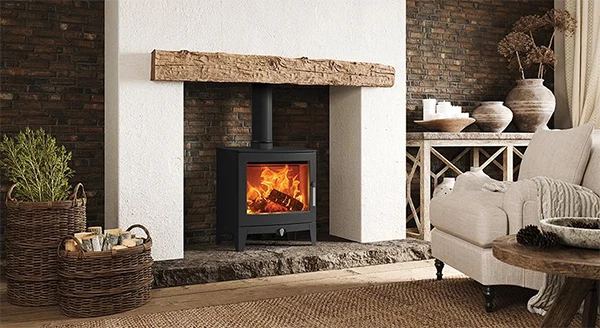
Style should match your interior aesthetic. Modern steel stoves with clean lines and large glass doors suit contemporary spaces beautifully. Traditional cast iron models with decorative details complement classic interiors. Some stoves feature soapstone cladding that provides thermal mass, absorbing heat during active burning and radiating it gently for hours afterward.

Quality matters more than price. A well-made stove from a reputable manufacturer will serve your family reliably for 20 to 30 years. Cheaper models may save money initially but often cost more in the long run through poor efficiency, frequent repairs, and shorter lifespans. Look for EPA-certified stoves that meet current emission standards, ensuring clean burning and optimal efficiency.

Understanding the Chimney System

The chimney system represents the most critical technical component of your wood stove installation. This is where many DIY projects run into trouble, so understanding the basics helps you avoid costly mistakes.

Your stove connects to a chimney that safely vents combustion gases outside. The visible pipe running from your stove toward the ceiling is called stove pipe or connector pipe. This section can be single-wall or double-wall construction, with single-wall being less expensive but requiring more clearance to combustible materials.

Here’s the crucial part: where your chimney passes through ceilings, walls, or roofs, building codes require class A chimney pipe. This isn’t optional or a suggestion – it’s mandatory everywhere for safety and code compliance. Class A pipe features specialized double or triple wall construction with insulation designed to handle the extreme temperatures of wood burning while protecting your home’s structure.

Using regular stove pipe or improvised materials in these locations creates serious fire hazards. House fires from improper chimney installations happen with unfortunate regularity, and they’re completely preventable by using appropriate materials.

The chimney must extend high enough above your roofline to create proper draft and prevent smoke problems. Building codes specify at least 3 feet of chimney above the roof penetration and at least 2 feet higher than any part of your house within 10 horizontal feet. These requirements ensure adequate airflow and keep sparks away from your roof.

Professional installation typically costs between $3,000 and $8,000 including the stove, chimney system, and labor. This investment includes proper materials, code-compliant installation, and usually some warranty protection. Many homeowners find this worthwhile for peace of mind, especially for their first wood stove installation.

For capable DIYers comfortable with home improvement projects, wood stove installation is achievable with careful planning and attention to manufacturer specifications. The key involves using proper materials, following clearance requirements exactly, and not cutting corners on safety components.

Creating the Perfect Setting Around Your Stove

Once you’ve chosen your stove, designing the surrounding space enhances both function and aesthetics. The area around your wood stove will become a focal point in your home, so thoughtful design creates spaces you’ll love living in.

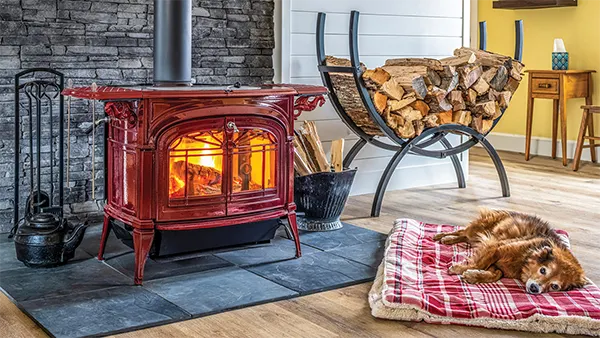
Floor protection starts with a non-combustible hearth pad extending at least 18 inches in front of the loading door and 8 inches to the sides. Rather than viewing this as a boring requirement, see it as a design opportunity. Natural stone tiles in slate or granite create organic beauty. Brick adds rustic charm. Large porcelain tiles offer contemporary sleekness. The materials you choose can reinforce your overall design scheme while meeting safety needs.

The wall behind your stove deserves special attention too. Heat-resistant materials are required, but they don’t have to be plain. Stacked stone creates dramatic texture and visual interest. Brick provides traditional character. For modern spaces, large concrete tiles or metal panels in copper or steel make bold statements. These backdrop materials define your heating zone while contributing to the room’s overall aesthetic.

Furniture arrangement should orient naturally toward the stove. Position your sofa or seating 6 to 8 feet away for comfortable warmth without overheating. Add chairs at angles where people can enjoy both the fire and conversation. A coffee table within reach completes the gathering space, creating areas where family and friends want to spend time.

Lighting works in concert with your fire. The flames provide beautiful ambient illumination, so you don’t want harsh overhead lights competing with that natural glow. Install dimmer switches on ceiling fixtures so you can adjust levels based on how brightly the fire burns. Add table lamps or wall sconces that create layered lighting, giving you flexibility throughout the day and evening.

Wood storage becomes part of your interior design when handled thoughtfully. A small rack or decorative basket near the stove holds several days worth of fuel, eliminating trips outside for every reload. Vintage metal baskets, woven containers, or custom-built cubbies can all look beautiful while serving practical purposes.

Operating Your Wood Stove Successfully

Getting the most from your wood stove involves understanding proper operation. These aren’t difficult skills to master, but they make substantial differences in performance, efficiency, and safety.

Use dry, well-seasoned wood exclusively. This single factor affects your experience more than anything else. Wood needs at least six months of drying after splitting, with a full year being ideal. Wet or green wood produces excessive smoke, wastes heat through evaporation, and creates dangerous creosote deposits in your chimney. Buy a simple moisture meter to test your wood – you want moisture content below 20 percent.

Dense hardwoods like oak, maple, ash, and hickory burn longer and hotter than softwoods. They’re ideal for sustained heating. Softwoods like pine and fir work well for kindling or when you need quick heat, but they burn faster and produce more resin. In practice, burn whatever’s locally available and affordable as long as it’s properly dried.

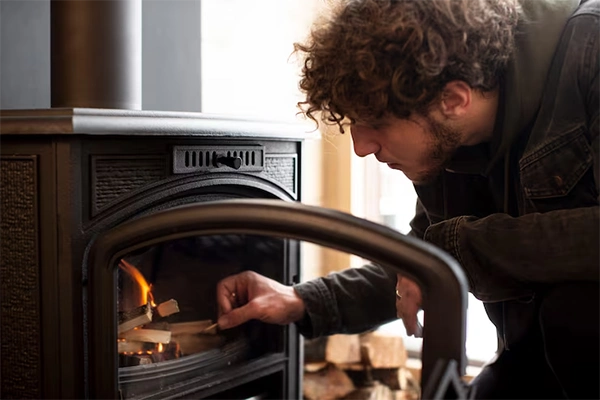
Build fires using the top-down method for best results. Place large splits on the bottom of your firebox, add medium pieces next, then kindling, then crumpled newspaper or fire starters on top. Light from the top and the fire burns downward, creating less smoke and better combustion than traditional bottom-up fires.

Start fires with air controls fully open to establish good draft. Once your fire is burning well, you can gradually adjust air controls to your desired burn rate. Closing air too quickly creates smoldering fires that waste fuel and build creosote.

Reload while you still have hot coals rather than waiting until fire dies completely. Adding fresh wood to an active coal bed is much easier than starting from scratch. Most people reload once or twice daily during cold weather, developing routines that become second nature.

Maintenance That Keeps You Safe

Wood stove maintenance isn’t complicated, but it is important. Regular attention prevents problems and ensures safe operation throughout the heating season and beyond.

Chimney cleaning represents your most critical maintenance task. Creosote accumulation in chimneys causes dangerous fires that can destroy your home. Inspect your chimney monthly during active burning season by looking up from below or down from the roof. When you see significant black, flaky deposits or shiny glazed coating, it’s time to clean.

Many homeowners handle chimney cleaning themselves using brushes sized for their pipe diameter and extension rods to reach full chimney height. The job is straightforward if done regularly before buildup becomes excessive. Alternatively, professional chimney sweeps provide thorough cleaning combined with safety inspections that identify potential issues.

Clean your stove glass regularly to maintain views of the fire. Use cleaners specifically designed for wood stove glass rather than regular window cleaners. Some people use dampened newspaper dipped in ash – it actually works well with a bit of elbow grease.

Remove ashes regularly but safely. Let ashes cool completely before disposal, and always place them in metal containers with tight-fitting lids on non-combustible surfaces away from your house. Wood ashes can remain hot enough to ignite combustibles for days after removal.

Check door gaskets annually. These rope-style seals compress over time and eventually need replacement. Test by closing a dollar bill in the door – if you can pull it out easily, your gasket needs replacing. New gaskets are inexpensive and straightforward to install yourself.

Making Wood Heating Work for Your Lifestyle

Successful wood stove ownership requires honest assessment of whether this heating method fits your daily life and household routines.

Wood heating demands active participation. You’ll build fires, manage air controls, reload periodically, and remove ashes. Time commitment typically ranges from 20 to 45 minutes daily during heating season. For some people, these tasks become enjoyable rituals that connect them to their home. For others focused on convenience, the hands-on nature feels like work.

Fuel storage needs space. Even supplemental heating requires 1 to 2 cords of firewood annually, with each cord occupying about 128 cubic feet. Primary heating needs 3 to 5 cords. This wood must stay dry and accessible throughout winter. If you lack space for proper wood storage, wood heating becomes impractical regardless of other benefits.

Travel and absence affect feasibility. Unlike programmable thermostats that maintain temperatures while you’re away, wood stoves only heat when someone tends them. For weekend getaway properties or homes where occupants travel extensively, wood stoves work better as supplemental rather than primary heat.

Physical aspects matter too. Handling firewood, building fires, and managing ash involves physical work. Not strenuous work, but regular activity. Some people find this grounding and satisfying. Others find it tiresome. Consider your physical capabilities and preferences honestly.

The sensory experience distinguishes wood heating from conventional systems. The crackling sounds, the warmth radiating from the stove, the visual beauty of flames, even the subtle wood smoke scent all contribute to creating cozy atmospheres that many people deeply value. If these experiential qualities appeal to you, wood heating delivers satisfaction beyond simple temperature control.

Taking Your First Steps

If you’ve decided wood heating fits your home and lifestyle, starting with proper planning sets you up for success.

Research local building codes and permit requirements first. Most jurisdictions require permits for wood stove installations, with inspections before final approval. Understanding these requirements early prevents surprises and delays later in your project.

Visit showrooms where you can see operating stoves and discuss options with knowledgeable staff. Seeing different models in person and asking questions helps tremendously. Don’t rush this phase – you’re choosing equipment that will be part of your home for decades.

Get multiple quotes if hiring professional installation. Prices vary substantially between installers, and higher cost doesn’t always mean better quality. Ask for references and check their previous work if possible.

Source your firewood early. Don’t wait until October to figure out fuel supply. Having properly seasoned wood ready before installation means you can start enjoying your stove immediately rather than scrambling for fuel.

Consider joining online communities or local groups of wood stove owners. These communities offer invaluable troubleshooting help, technique tips, and support from people who’ve been through what you’re starting. Real-world experience from other owners often proves more helpful than any article or manual.

The Warmth That Transforms Your Home

Adding a wood stove to your home creates changes that extend far beyond simple heating. Your living room becomes the place everyone naturally gathers. Cold winter evenings transform into cozy opportunities rather than times to endure. Power outages change from stressful events to minor inconveniences.

The visual beauty of real fire creates ambiance that enhances your daily life. Watching flames dance while sipping evening tea, reading by firelight, or gathering with family around the warmth – these moments accumulate into memories that define your home experience.

The hands-on nature of wood heating connects you to your space in tangible ways. You’re not just consuming heat passively; you’re creating it through attention and effort. This active participation creates satisfaction that automated systems cannot match.

Wood stoves bring timeless appeal to contemporary living. They bridge past and present, honoring traditional heating methods while incorporating modern efficiency and design. Your home gains character and warmth both literal and figurative.

If the idea of gathering around a real fire speaks to you, if independence from utilities sounds valuable, if creating cozy retreats where people want to spend time aligns with your vision – then wood heating deserves serious consideration. With proper planning, quality installation, and commitment to regular maintenance, a wood stove becomes one of those rare home improvements that enhances daily life for decades to come.

Your warm, inviting home awaits. It’s time to make it happen.