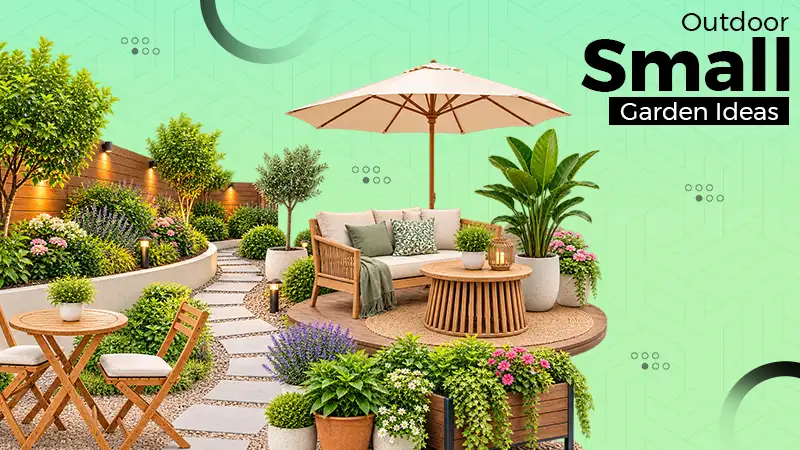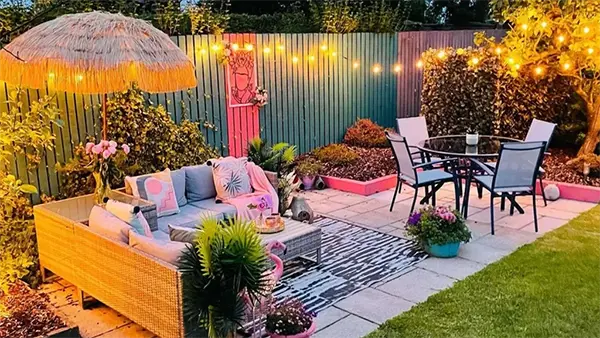
When peak summer arrives, the routines of sitting in your own yard become impossible due to excessive heat. Just one patch of grass and a few trees cannot cool down the temperature.
So what I do in the situation makes everything comfortable. Using clever architectural layouts, innovative cooling technology, and shaded sanctuaries, my oasis turns into an aesthetic and comfortable space.
Want to unveil the secret? Read on to discover 12 fine, inspiring design ideas to convert an ordinary background into a refreshing garden!
Idea 1: Add a Shaded Patio for Comfortable Outdoor Seating
Your summer retreat starts at the end of the home itself. A dedicated area outside, like a fun Gazebo is what will provide dome shelters from the sun at noon, and is what your deck should give you.
By covering your patio with a solid structure, you turn the area outside into an extension of your living room. Based on the research, I suggest keeping the sides of your covered area completely open to receive any breezes, but blocking the vertical sun completely.
Use thick, comfortable cushions on your furniture; this way, you will have the ideal location for an afternoon nap, away from the sun.
Idea 2: Use Pergolas, Canopies, or Shade Sails to Block Harsh Sun
In case the house does not have a covering over the deck, there is no need to worry. One can simply use modular design elements to create shadows from a building or structure and create shadows on one’s lawn.
- Pergolas create structure for shade; weave fabric for added protection.
- Shade sails provide a chic, modern look, blocking nearly 95% of UV rays but creating a nautical feel to the space.
- Retraction canopies allow users to control and provide cover as needed, i.e., roll out on a hot day; roll back at night to enjoy the stars.
Idea 3: Create a Refreshing Water Feature
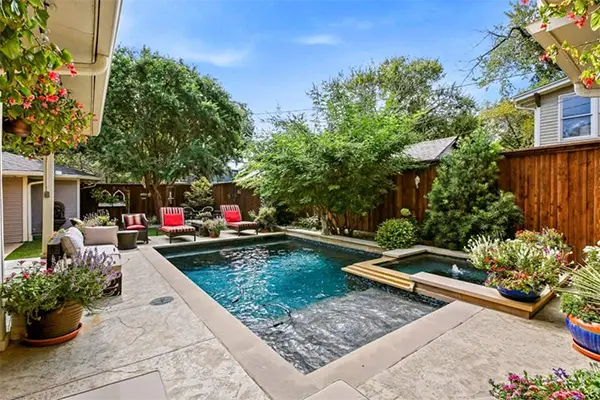
Trickling water can calm the psyche and make us feel much cooler than we are. Raz-Barry Construction can design a fountain, water wall, or pond that can create a refreshing pocket of cool because as water evaporates from the hot air outside, it removes heat from the surrounding area.
As the water evaporates into the dry summer air, it pulls heat away from the immediate area, creating a genuine pocket of cool relief.
Idea 4: Choose Heat-Friendly Outdoor Furniture and Fabrics
Almost everyone has sat on a metal chair that has been sitting in the sun for hours, which one won’t dare to do again!
Thus, when selecting your furniture for warmth this 2026 summer, choose low-thermal-mass furniture.
Teak, rattan, and high-quality resin wicker stay substantially cooler than materials like plastic. They can be paired with high-performance, breathable outdoor fabrics (like solution-dyed acrylic) in light colors that will keep you cool and dry by not trapping heat against your body.
Idea 5: Add Cooling Plants and Greenery Around the Space
Plants cool the environment and are Mother Nature’s ultimate form of cooling!
- They breathe out moisture through their leaves, which, in turn, cools the air surrounding the atmosphere.
- Enclose your seating area with large-sized tropical plants, containers with banana foliage, or hanging ferns.
- Plant deciduous trees on the western side of the yard to shade you from the afternoon sun.
These creatures create lovely, shady, dappled areas as well as provide air quality benefits and form a lush, living wall obscuring the outside world.
Idea 6: Build an Outdoor Dining Corner for Summer Evenings
Who wants to cook in a hot kitchen when you can create some culinary magic outside? An outdoor dining space can turn a dinner into an event.
Bring a solid wood table and place it under a leafy vine-covered deck or cantilevered patio umbrella (shown above).
I believe locating your dining area in a different location than your main home—perhaps a corner of the garden or yard—adds an element of “mini vacation” to the dinner.
As the afternoon heat fades away, serve cool salads, grilled proteins, and cold beverages outside in an open-air setting.
Idea 7: Install Misting Fans or Outdoor Cooling Features
When it’s hot outside and breezes are not available, use outdoor climate technology.
- High-pressure mist fans mounted on a garden hose use very little water to create a rapidly evaporating mist that can lower ambient temperature by 20 °F or more without getting everything wet!
- Lines of micro-misters attached to pergolas or oscillating misting fans positioned next to lounge chairs will make for comfortable afternoons—even if there is lots of moisture present.
Idea 8: Use Light Colors and Natural Materials to Reduce Heat
Dark-colored materials absorb heat. If your yard has dark gray pavers or black metal fencing, then you are creating a huge outdoor oven.
Use Pantone colors such as Cloud Dancer (Bergamo) for the 20th’s aesthetic trend. Light travertine stone walks with light-tinted outdoor rugs and light-colored hardscape materials will reflect down heat (overholding it) out of your yard and into the atmosphere.
Idea 9: Set Up a Cozy Fire-Free Lounge Area for Warm Nights
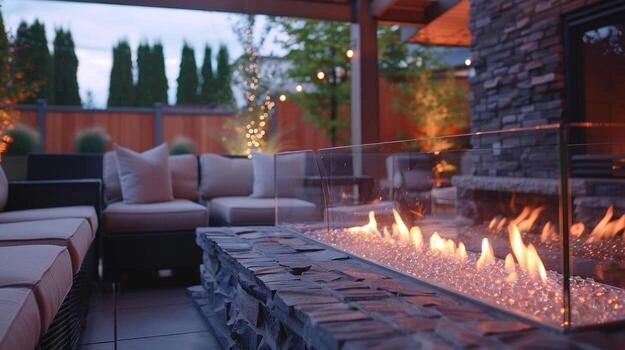
The construction of fire pits is great for cool fall nights, but a roaring fire just adds to the heat on a hot July night.
- Instead of having a fire pit in your backyard, create a “cool hangout” area. Replace the fire pit with a large, low table filled with ice-cold drinks or a glowing LED centerpiece.
- Add plenty of floor cushions and chairs at a low height to encourage a comfortable, relaxed atmosphere where people can just hang out and talk, and drink cold beverages.
Final Thoughts on Creating a Cool and Relaxing Backyard Oasis
Cool off in style this summer by transforming your backyard into a soothing and functional outdoor living area. A few simple tips for creating a tranquil and shaded environment will help you beat the heat and have fun outside when the weather is beautiful.
Spend more time in the shade, take advantage of light breezes, and enjoy your very own personal retreat throughout the summer months!
Can shade sails perform better than regular umbrellas?
Yes. Shade sails cover much larger areas and stay put in the wind, preventing the wind from blowing them over. Shade sails allow air to flow through the breathable fabric while blocking out the sun’s rays.
Will misting spray wet outdoor cushions and cause mold?
High-end misting systems use high pressure to create a drier spray than what most people think. The small water droplets evaporate and are lost before they get to your outdoor cushions or clothes.
What are the best plants for natural shade in backyards?
Fast-growing options such as clumping bamboo (non-invasive varieties), banana leaf plants, and wisteria/jasmine vines to cover a pergola provide excellent natural shade with dense leaves.
How do I prevent a concrete patio from becoming too hot without spending a lot of money?
The easiest and cheapest way to recover from excessive heat on concrete is to use a light colored outdoor rug to cover the area. By using this method, you block the concrete from absorbing heat generated from sunlight.