KEY TAKEAWAYS
- The roof has a lifespan, and after that, it will need repairing, or it needs to be changed.
- Visible damage shouldn’t be avoided.
- If the room has been damaged, it will cause an energy efficiency issue.
- Moss and algae can cause great structural damage if not taken care of.
- The roof can either lower the selling price of a house or increase it, depending on its condition.

Ever thought that maybe it’s time to get your roof replaced? People are often in the delusion that their roof is going to protect them lifetime, but that is not true. The lifespan of a roof ranges between 25–30 years, but this can be changed if it has sustained damage.
There are some early signs that a roof is no longer suitable and can fall off or seriously harm the overall structure of the house. However, individuals typically ignore them until it’s too late. Now, they have to pay a high amount for repairs.
So, just so you don’t make such mistakes and your pockets remain safe, in this article, I’ll be mentioning some signs your home needs a roof replacement sooner than you think. Let’s get started.
Age and Lifespan of Your Roof
The most critical factors that indicate your roof requires replacement is age. Most asphalt shingle roofs are built to last around 20–25 years, while metal and tile options can outlast them, provided proper maintenance is performed.
However, harsh weather conditions such as heavy sun exposure, high rains, snow, and winds can accelerate the aging process. It would be a smart move to have a professional check your roof if it is nearing or has surpassed its expected lifespan, even though there might not be much visible trouble.
Older roofs tend to show wear, such as curling or cracked shingles, as well as color inconsistency due to sun damage. Postponing the replacement will only culminate in much more expensive water damage and structural problems due to a lack of activity on your part.
By being proactive and taking into consideration the age of your roof, you will avoid surprise damage and plan financially for a roof replacement before issues escalate. Below you can see the life span of different types of roofs.

Visible Damage
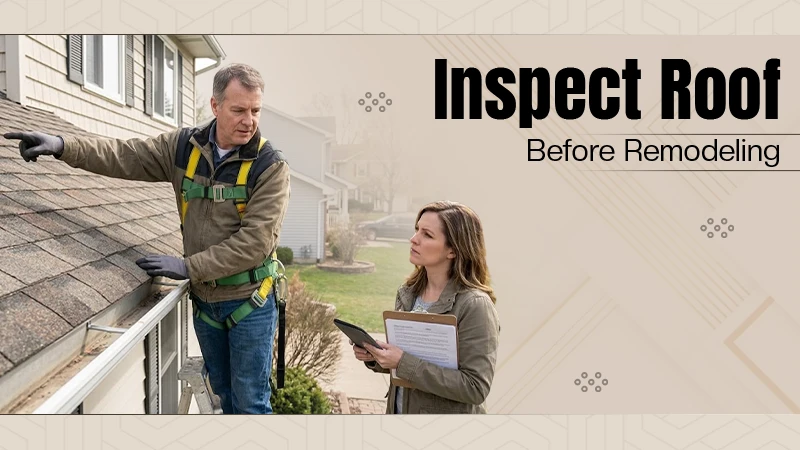
Visible damage is often the first and clearest sign that your roof needs at least some attention, if not total replacement. This can take many forms: cracked, curled, or even missing shingles; sagging areas; visible gaps in flashing and sealant.
Over time, these wear away at your roof and make it more and more ‘naked’ to leaks and other issues, finally caving. For instance, after a storm or after heavy winds, you might notice pieces of shingles in your yard or in your gutters, or water stains on ceilings and walls inside the home.
These are not problems to treat flippantly; this indicates that the protective barrier often has problems dealing with issues. While isolated damage can easily be caused and rectified, widespread issues are usually indicative of systemic problems that require more than mere “patchwork solutions. In such cases, talk to a roof replacement contractors and get things fixed.
Granule Loss
Granule loss is one of the fine but fairly visible signs that it is about time for your roof to be replaced. Asphalt shingles are covered with small granules, which ensure their resistance against the ultraviolet rays of the sun and also increase their fire resistance.
Gradually, due to exposure to weather elements, old age, or just bad quality material, these granules tend to come off. You may start seeing granules piling up in your downspout or gutter, or bald spots on your shingles where the granules have come off.
Once this protective layer is lost, it makes the shingles vulnerable to much quicker deterioration and cracking. It impacts not only how well your roof looks, but also how well it functions.
DID YOU KNOW?The average roof replacement cost is $9,514, and many homeowners spend up to $13,210 or more, depending on the area.
Energy Efficiency Issues
A sudden rise in electricity bills indicates energy efficiency issues, and the cause can be your roof. A damaged roof lets hot air escape during summer and allows the cold air to enter during winter.
Because of this, the HVAC (Heating, ventilation, and air conditioning) system is overused, hence increasing the electricity bill. As the roof gets older, its ability to regulate temperature decreases significantly.
The attic will be visibly hotter or colder than it should be, depending on the season, and this is a sign of your roof performing poorly.
Presence of Moss and Algae

While many might say that moss and algae don’t pose any risk, they are very harmful and can indicate underlying issues. Moss is usually created because of moisture, which is known to make the shingles rot and the wood underneath rot as well.
Algae, on the other hand, doesn’t do much damage, but it makes sure that moisture is being trapped, and this isn’t ideal for the roof. They typically grow when the moisture is present on the roof for a long time or the roof is shaded.
If green patches or dark streaks are forming, they should be avoided. Avoiding it can result in structural damage, which can be costly to fix.
Market Trends and Home Value
The roof plays a major role in the valuation of any home and marketability. If it’s in good condition, the house would be sold at a great price, but now the price will take a major hit. Buyers are looking for a place that is ready to move into, not something that needs renovation or repairing.
If the roof has recently been rebuilt or replaced, you can easily ask for a higher price, and in most cases, the buyer would agree to it. Things that I’ve mentioned so far can’t be ignored, and if individuals didn’t consider these, they should be ready to pay fifty percent.
Early signs can be easily fixed, and there wouldn’t be a lot of damage. But again, it’s on you if you pay attention to it or not.
How do I tell if my roof needs to be replaced?
If you see signs of water damage in your attic, observe moss, fungi, or mold, and curling or buckling of shingles, there is a chance that your roof needs to be replaced.
What is the life expectancy of a roof?
The life expectancy of a roof is between 25 and 50 years, depending on its maintenance.
What type of roof lasts the longest?
Clay, concrete, or slate roofs last the longest.
Are roof leaks normal?
Roof leaks can happen over time as your shingles age. Leaks can quickly lead to bigger problems and hence should be taken care of as soon as possible.