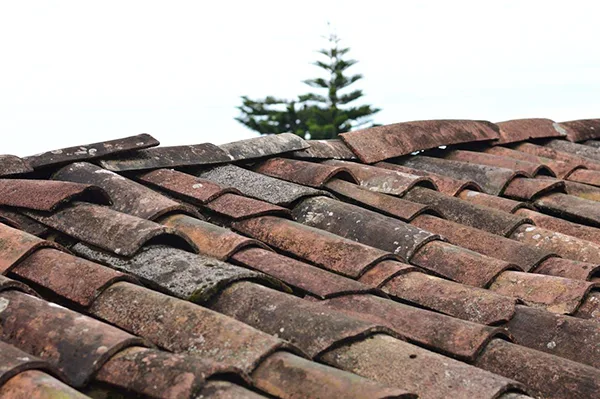
Have you ever walked into an older home and instantly felt the charm—and the draft? The creak of the floorboards might sound romantic, but the leaky faucet in the bathroom and the stubborn window in the living room tell a different story. In cities like San Diego, where coastal breezes meet year-round sunshine, older homes are everywhere. They come with history, character, and the occasional plumbing mystery that no one can quite explain. Maintaining them isn’t just about keeping up appearances. It’s about preserving value, comfort, and safety in a home that has already seen decades of life.
In this blog, we will share practical approaches to maintaining older homes so you can keep yours both functional and full of character.
Understanding the Nature of an Older Home
Older homes have unique needs because they were built in a different time, with different materials, and often under different building codes. That means the fixes you make aren’t always as straightforward as in a newer property. You might discover that a single repair leads to uncovering three other issues hiding behind the walls.
Before tackling any updates, start with a thorough inspection. Check the foundation for cracks, the roof for missing shingles, and the plumbing for corrosion. Electrical systems are another key area to review, especially if the wiring hasn’t been updated in decades. Even cosmetic upgrades like repainting can reveal structural problems if peeling paint is caused by trapped moisture.
If you’re not sure where to start, look up handyman San Diego online to get in touch with the best professionals who understand the challenges of coastal properties. Salt air, for example, can speed up corrosion in metal fixtures and hardware. Someone with local experience will know the right materials and techniques to extend the lifespan of repairs. That kind of insight is invaluable when you’re trying to keep an older home in top shape without wasting money on quick fixes that won’t last.
Tackling Common Problem Areas
Certain issues pop up in older homes more often than others, and knowing what to expect can help you prioritize. Plumbing is a big one. Pipes made from galvanized steel or cast iron can rust from the inside out, leading to leaks that might go unnoticed until they cause water damage. Replacing these with modern materials like copper or PEX piping can prevent costly emergencies down the line.
Windows are another trouble spot. Wood frames might rot, while single-pane glass can leak heat in winter and let it in during summer. Restoring frames and upgrading to double-pane glass will improve efficiency without compromising the look of the home.
Floors also deserve attention. Hardwood floors in older homes can last for generations, but they often need sanding, refinishing, or even replacement of warped boards. This is a case where maintenance pays off—restored wood floors can become a major selling point if you ever put the house on the market.
Finally, pay attention to insulation. Many older homes have little to none, which can make heating and cooling costly. Adding insulation to attics, crawl spaces, and walls can make the home far more comfortable and energy efficient.
Preventing Problems Before They Start
One of the best ways to keep an older home in good condition is to prevent damage before it happens. That means seasonal maintenance. Clean gutters in the fall to prevent water from backing up into the roof. Check the foundation after heavy rains to spot cracks early. Trim back trees and bushes to keep branches from damaging the siding or roof.
Another preventative step is to control moisture. Use dehumidifiers in basements or crawl spaces. Install exhaust fans in kitchens and bathrooms to keep condensation from building up. Even small amounts of moisture can lead to mold or structural damage over time.
Regular servicing of heating and cooling systems is also essential. Old systems can be surprisingly durable if maintained properly, but they’re less forgiving than modern units when neglected. Changing filters, cleaning ducts, and checking for leaks will keep them running longer.
Balancing Updates with Preservation
Maintaining an older home doesn’t mean stripping away its history. In fact, the features that make these homes special—like original moldings, fireplaces, and built-in cabinetry—are often the ones worth protecting. The key is to balance updates with preservation.
When replacing fixtures, look for styles that match the period of the home, even if they use modern materials. If you have to replace siding or roofing, choose colors and textures that fit the original design. This not only keeps the character intact but also maintains curb appeal, which is important for long-term value.
You can also blend old and new creatively. For example, keeping original wood floors while adding modern energy-efficient lighting creates a space that feels authentic but functions like a newer home. The goal is to make the home livable for today without erasing its past.
Knowing When to Call in Professionals
Some projects are perfect for the do-it-yourself approach, but others are better left to experts. Electrical rewiring, foundation repairs, and structural changes all require specialized skills and permits. In an older home, the risk of making a costly mistake is higher because you may not know what’s behind a wall until you open it up.
Hiring skilled professionals isn’t just about safety—it’s about getting the job done right the first time. A well-executed repair will often last longer and save you money over time. When choosing a contractor, look for someone with experience in older properties and a track record of detailed, careful work.
Even if you plan to do much of the upkeep yourself, having a trusted professional to call for major projects is an important part of maintaining an older home. Think of it as building your own support team for the house’s long-term health.
The Bigger Picture
Owning an older home is both a privilege and a responsibility. It connects you to a piece of history while challenging you to keep that history alive. In a world where so much is disposable, these homes remind us of the value of craftsmanship and care.
They also offer a chance to live more sustainably. Restoring what’s already there often uses fewer resources than building new, and thoughtful upgrades can make these homes as efficient as modern construction. The result is a space that’s unique, functional, and built to last.
Ultimately, the most practical approach to maintaining an older home is to stay proactive. Address problems early, invest in quality repairs, and preserve the details that give the house its character. Done well, this approach doesn’t just maintain the home—it allows it to thrive for decades to come.