
Reports say that the worldwide moving services market is anticipated to reach a value of USD by 2033, growing at a CAGR of 6.10%by 2033. Relocating to a new home in 2026 is about the ever-increasingly high-tech.
Along with it, the environmentally-friendly nature of how we will relocate from one place to another. With digital transparency and individualised experiences becoming the norm.
No matter if you are relocating just around the corner or from one state to another, the use of AI logistics technology. Real-time tracking has turned relocation into a precise and manageable process.
From mapping windows, booking early services, and executing plans, I have provided every detail. Follow this step-by-step guide to successfully relocating your entire home.
KEY TAKEAWAYS
- Customers expect real-time transit updates and clear, written digital estimates with no hidden fees.
- Sustainable packing involves use of biodegradable materials and reusable containers for most top-tier moving companies.
- To secure the best rates and “White Glove” service, book at least 8 weeks in advance for peak summer moves and 4 weeks for local off-season relocations.
Map Your Moving Window
Start by choosing a realistic move window instead of a single fixed date. In that window, compare quotes and reserve a tentative slot with a moving company before you finalize the exact day.
After that, adjust once your building and utility confirmations arrive. With that approach, you can shift by a day or two without losing your place on a crew’s schedule.
If you’re moving with children or pets, consider timing major milestones during their absence. Having the house empty will speed up packing, and keep curious helpers away from heavy-lift areas.
If you’re moving for employment, align your start date with travel time and housing availability to avoid paying for overlap longer than necessary. Before moving, it’s helpful to research the local housing market and available communities. Exploring apartments for rent can help you compare neighborhoods, amenities, and rental options, making it easier to find a home that fits your lifestyle before the transition.
Book Services Early
Plan the date of your move ahead of time by calling potential vendors while demand is low. You will see availability disappear quickly in late spring through summer months.
When you contact vendors, ask for several different day and time options then document what is included by each vendor so you can compare. Confirm what counts as stairs, long carries, and heavy items so the day-of bill does not surprise you.
Ask whether crews bring wardrobe boxes, TV boxes, and mattress covers, or if those are add-ons. Verify the insurance level in writing and keep the COI handy for any building manager who requests it.
Build a Week-by-Week Plan
Turn the window into a schedule with weekly deliverables. List the tasks that unlock others: decluttering before packing, packing before staging, staging before listing, or walkthroughs.
According to MovingPlace, off-season, local moves typically require 3 to 4 weeks notice while peak month moves require booking at least 6 weeks prior to your desired move date. Therefore, plan based upon these timeframes.
Create a simple moving chart that has rows for each week and columns for each room in the house. Then establish daily box completion goals to see that your progress is moving forward on schedule.
These goals use the chart to track significant checkpoints such as utility transfers, change of address papers, or service cancellations. So you are not rushed in completing them at the last minute.
Clear, Catalog, and Pack Smart
Declutter first so you only pay to move what you actually use.
Lastly, during your packing process you need to create an inventory of your belongings. By assigning each box a number, document what room it should be delivered to and keep a brief description of what is in the box.
A recent report from the National Association of Realtors observed that many people relocate to be closer to family and to find better affordability. This means sentimental and seasonal items deserve a second look before they go in a box.
Pack by zones, not by categories that scatter across the house. For example, clear the guest room entirely before touching the kitchen, so you finish spaces one by one.
Use small boxes for books and heavy items, saving large boxes for linens, pillows, and light gear. Tape a short checklist to the door of each room and cross off tasks as you go.
Budget With Realistic Ranges
Estimate costs using ranges instead of single numbers. Break the budget into buckets: labor, truck or container, packing materials, travel, overnight stays, storage, and contingencies.
You Move Me advises booking movers two months ahead for most moves and three months ahead for summer, which can also affect pricing. So reserve early if your dates are flexible.
Track quotes in a small spreadsheet and include taxes, fuel, tolls, and tips so totals reflect reality. Add a 10 percent cushion for things like extra boxes or an additional run to storage.
If your employer offers relocation support, clarify what is reimbursable and what receipts you must keep.
Prep for Move Week and Moving Day
The last 7 days leading up to your move are critical to making the process run smoothly. Confirm elevator reservations, loading zones, parking permits and key handoffs.
Keep a “go-bag” of the important personal items that you need so you do not have to look through boxes at midnight on moving day.
- Phone chargers, medications, and basic tools
- Two days of clothes and toiletries
- Important documents and a folder for receipts
- Snacks, water, and pet supplies
- Bedding, towels, and a small cleaning kit
On the day of the move, walk through your house and take pictures of the meter readings, appliances, and the pre-existing conditions of the walls (scratches, etc.) in the hallways.
Also put labels on the doors and rooms in the new place so that helpers can easily identify where each box belongs. When you arrive, unpack and set up the beds and one bathroom before unpacking any other items to make your first night in your new place more comfortable.
At the end of the day, write down the remaining tasks you would like to complete and schedule them to do instead of trying to finish everything at once.
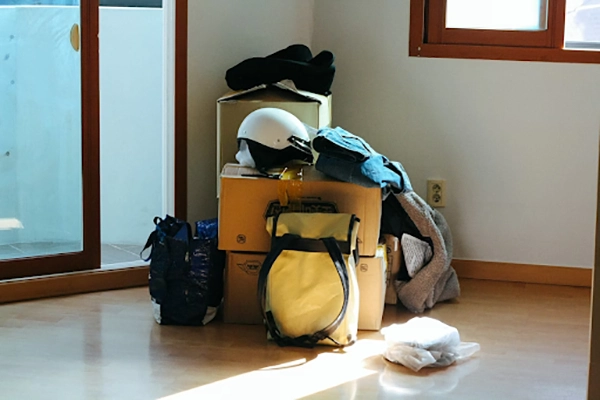
Following a well-structured plan, booking all items early, and monitoring the jobs every week will help change the difficult move to manageable. Always keep the checklist visible, ask for clarification before you sign, and be kind to yourself when the unexpected happens
What are the best moving apps for 2026?
Trello (visual tasks), Sortly (inventory), and Goodbudget (cost tracking) are the top-rated tools for staying organized.
How far in advance should I book movers?
For summer moves, book 3 months ahead; for other seasons, 6 to 8 weeks is ideal.
Is travel insurance needed for moving?
While not for the move itself, some countries now require mandatory health insurance for incoming tourists and expats.