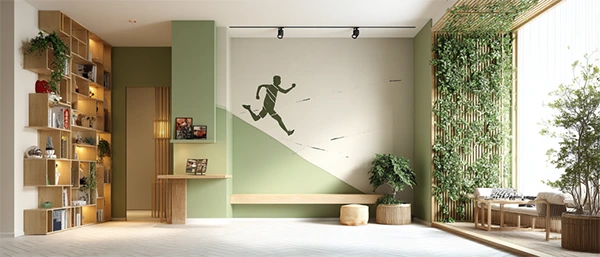
Research has shown that homes designed in a way that maximizes the flow of light can significantly reduce stress levels and boost your mood – as daylight helps maintain sleep cycles and mental well-being, defining thoughtful layout design as a crucial factor in daily vitality.
The layout is a silent powerhouse – having capabilities to improve the way rooms connect with each other, how you move between the spaces and the way light and air flow influence your daily comfort and mood. Above its decorative aspects, if a home’s layout isn’t tuned well – a stylish home can also feel stressful.
Tired of searching for an apartment near me with a gym and home layout? Go through this homeowner’s guide that shares how you can integrate such sections in your home and upgrade the layout for maximum vitality without investing too much in renovations.
How Home Layout Influences Daily Comfort and Energy
Consider your home as a stage where layout is the one deciding choreography for effective movements. When spaces are designed while considering your routine needs – your body and your mind don’t have to fight in between – you move with rhythm and ease.
Spaces with right circular pathways help reduce daily workflow friction. Awkward and rigid layouts force your brain to constantly adapt according to them. This not only results in ineffectiveness but also reduces efficiency.
The same research was done to find how layout affects a normal being’s mental health. It was found that open floor plans are designed in a way that connecting the kitchen, dining, and living areas encouraged social interaction and reduced the feeling of being alone during routine chores.
The same way proper light and right ventilation (major considerations of an effective layout) affect routine work. Sunlight affects your mood and energy levels, while ventilation maintains a light environment to focus on tasks.
The Layout Mistakes Most Homeowners Don’t Notice
Even the well-designed homes can have quite a few layout issues that don’t come up in analysis until you live in them.
Here are some of the mistakes most of the homeowners make while building the homes –
- Blocked movements with awkward pathways – Narrow paths, large furniture blocking natural circulation and misplacement of rooms and other areas often feel annoying.
- Ignoring natural light and ventilation – Placing some material or directly blocking the ways where sunlight or air should enter can turn your rooms into dim and stuffy environments.
- Furniture pushed flat against the walls – It seems like it provides extra space. But designers share that aligning furniture more inward makes the room more functional and comforting.
- Wrong scale and proportion – Oversized sofas in small rooms or some minor decoration in large rooms seem imbalanced and make the layout feel off.
- Long, wasted corridors – Unused spaces are huge and invisibly dead in a layout. It eats up most of the space without having any purpose to serve.
Minor Layout Changes That Make a Big Difference
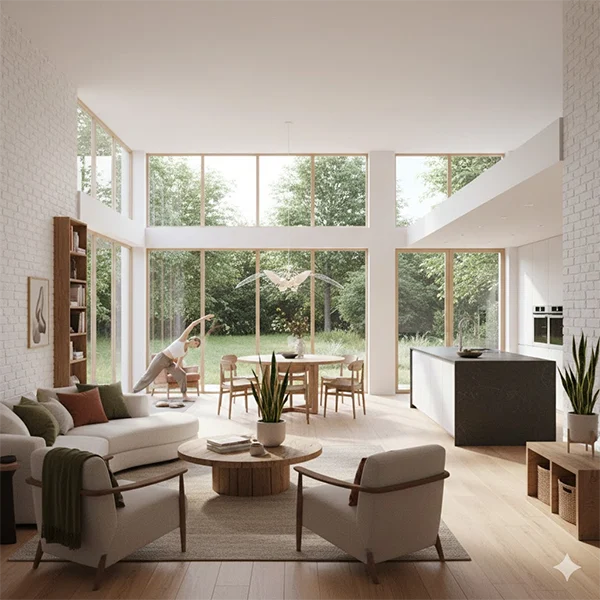
Not every layout improvement asks for a renovation, and not everyone is in a stable condition to afford a renovation. For such conditions, some small but effective adjustments are here that deliver optimised results –
- Open slightness – Replacing unnecessary barriers that don’t allow sunlight and air flow. Just widening the door frames can also help.
- Functional zones – When specific areas are allocated for specific tasks, the space feels more functional and intentional.
- Balanced furniture placement – Reshifting furniture away from the walls and arranging seating with the facial direction during conversations – welcomes discussions in spare time.
- Redirect circulation – Many of the times, you just have to rearrange the paths. Shifting the angle of sofas can gently guide movements with requirements.
Improving Spatial Flow Before Major Renovations
Improving your visiting layout is much easier and better as compared to changing from scratch, in terms of investment, money, and time. Before starting, evaluate popular layouts – search for “apartment near me”. Then evaluate the choke points in your home and fix places where you hesitate while moving around as a guest. These are the signals of poor flow.
Divide large rooms into clear sections without walls. For example, a reading corner in the living room. Also, observe when and how the light enters each room at different times. And make light and ventilation changes accordingly.
Take advantage of painter’s tape to outline the requirements of furniture on the floor. This makes the movement easy before moving heavy items.
Designing a Layout That Supports Well-Being
“Healthy home” is not just a word in the dictionary. Researchers have shown that a well-curated interior design can affect your mood, stress and even physical health. To achieve so, you just need to integrate some basic elements –
- Natural elements – Plants, daylight and views of outdoor areas – are not just about decorating things – they improve air quality and reduce stress.
- Proportion and comfort – Rooms need to be balanced. Neither should the space feel too large nor too empty. Maintain the right proportion of elements; it’s a psychological tip by researchers.
- Personal zones – Curate spaces that talk to your emotional needs – a cozy reading corner, a meditation space, and a workspace with strict boundaries.
Conclusion
Layout matters more than what homeowners think. It makes an impact on how you feel, how you move and how your home supports your life, just like a 1 bedroom apartment aurora co.
A practically designed layout unlocks comfort and maintains flow and vitality – without expensive renovations. Simple fixes like better furniture placement and lighting can transform daily life – often without renovation.
Design your space around how you live – not just how it looks.
FAQ
Do I need renovation to improve my home?
No – just by applying some small changes like furniture rearrangement and zoning often makes a huge difference.
Does layout really impact mood and stress?
Yes – natural light, right airflow and easy movement reduce daily stress and improve daily comfort.
What’s the most common layout mistake that homeowners make?
Blocking the natural elements from coming in – such as sunlight and air flow.