Home is a place to keep yourself safe from the outer environment. But what if the inner atmosphere is also not so clean? There exists the air we breathe, and the surfaces we touch directly dictate our mental clarity and physical vitality.
As a result, it becomes a hub of diseases. So what’s the solution?
A hygiene-first mindset! Not only does it improve physical health, but the psychological impact is profound. As the saying goes, “Cleanliness is next to godliness.” Now is the time to look at the six pillars of home hygiene that will define your comfort this year.
KEY TAKEAWAYS
- Hygiene is the foundation of “Home Wellness,” affecting everything from respiratory health to mood.
- Keeping HEPA filtration and cross-ventilation are essential for 2026 living.
- High-touch areas require a strategic sanitization schedule to prevent the spread of allergens.
- Smart moisture and pest management saves thousands in potential repair costs while protecting a family’s safety.
Why Home Hygiene Is Key to Comfort and Well-Being
A tidy house produces happiness. Your home is now for more than simply rearranging furniture that has run out of place and time. Home cleaning must become purposeful and intentional. You may use blinds Wellington NZ as your search term to explore styles!
Be more selective with your time and the supplies you are using to maintain the cleanliness of your house.
Other ways to continue achieving your clean home goals include using high-GSM microfibers that remove 99% of bacteria simply by using water. Make sure you only use a vacuum with a sealed HEPA system to guarantee safety
Regular Cleaning
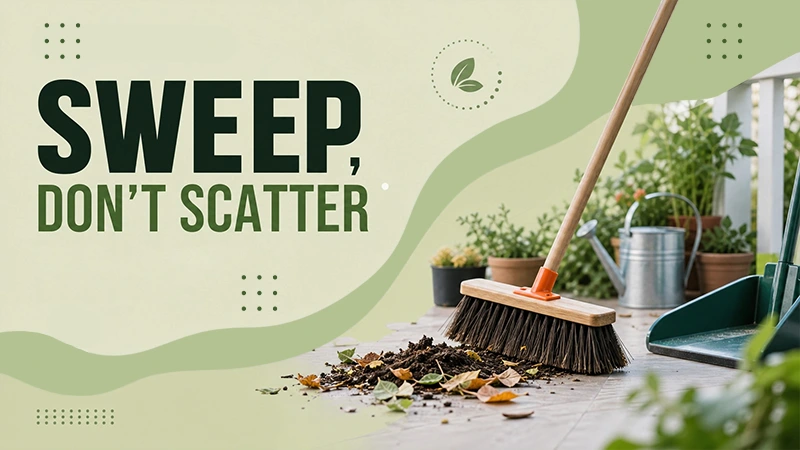
Use a robotic vacuum to keep your floors clean and allow modern technology to keep your floors free from dander.
Waste management is how one handles trash, which is representative of how we exhibit our home environment through scent and overall appearance.
Using motion sensor trash cans with carbon-filter technology will eliminate any unwanted odor within your home.
If the goal is to keep our homes smelling clean, we need to use a countertop composting device that does not allow fruit flies to infest our kitchens.
Proper Waste Management
Trash is one of the largest contributors to your home’s smell. How someone manages their trash is what creates a vibe in a home.
The use of motion-sensor-activated bins with Carbon filters integrated to neutralize smells. When the bin is full, it can be emptied automatically.
Also, to have 3 separate bins in the home — compost, recycle, and landfill.
Another way is to use countertop air-tight composters that would eliminate any fruit flies as well as odors in your compost.
Make sure to make a simple 5-minute clean-up after using eco-friendly disinfectants to eliminate bacteria at the bottom of your trash liner.
Air Quality and Ventilation Maintenance
Air quality is an extremely important type of hygiene since people spend over 90% of their time indoors, and so air quality is often overlooked as a result.
- Cross-Ventilation: Open windows on opposite sides of the house for 15 minutes a day to remove VOCs from your home.
- Filter Rotation: Change your HVAC and indoor air purifier filtered every 90 days to ensure optimal performance of these filters.
- Natural Air Purifiers: Use “Snake Plants” or “Peace Lilies” as natural filtration systems for indoor pollutants.
- Humidity: Maintain indoor humidity levels between 30%-50% to prevent the growth of airborne mold spores.
Sanitization of High-Touch Surfaces
Research has shown that some areas attract germs, so spend your time working toward sanitizing these high-touch areas:
- Wipe doorknobs routinely.
- Clean light switches daily.
- Sanitise remote controls frequently.
- Disinfect refrigerator handles regularly.
- Use 70% isopropyl alcohol wipes.
- Target smartphones and keyboards daily.
Pest Control
The most hygienic environment acts as an impenetrable barrier to pests. When it comes to controlling pests in 2026, you should be “sealing” rather than “spraying.”
- Seal the Envelope
- Dry Pantry Storage
- Standing Water Check
- Ultrasonic Repellents
Booking a package such as a carpet flea treatment, gives rugs, carpets, and skirting boards the sustained coverage they need.
Moisture Prevention
Moisture is the enemy of both hygiene and structural integrity. From our research, preventing dampness is the most effective way to avoid costly “Code Red” mold situations.
- Bathroom Ventilation: Running the exhaust fan for at least 20 minutes after every shower.
- Squeegee Success: Removing excess water from shower glass and tiles immediately to prevent soap scum and mildew.
- Basement Dehumidifiers: Using smart dehumidifiers that drain automatically to keep lower levels crisp and dry.
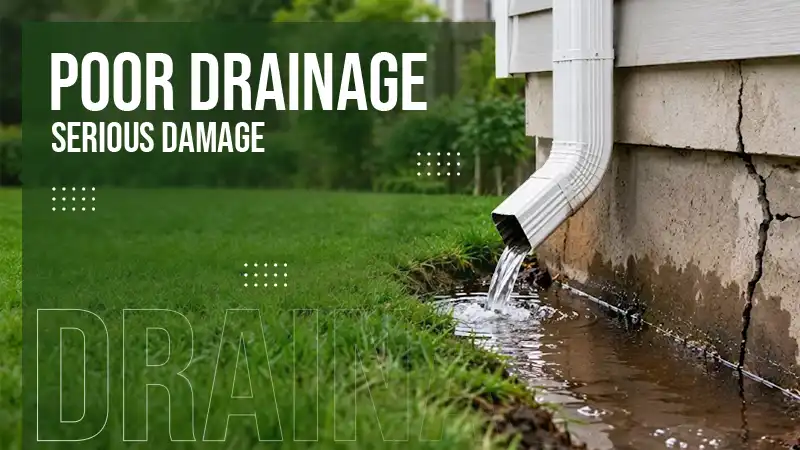
- Roof and Gutter Integrity: Ensuring water is diverted away from the foundation to prevent “rising damp” in walls.
Final Thoughts on Hygiene Maintenance
The act of maintaining a healthy home in the year 2026 functions at a level of self-esteem.
Creating the quality of life through hygiene can feel as if you have achieved a serene environment, but in reality, it is about creating an environment to help your health, create energy in your lives, and for everyone who enters to feel at ease as soon as they enter.
By using these six essential items to create weekly schedules for your home, you will create an actual home, rather than just a roof over your head. “An ounce of prevention is worth a pound of cure”, and that is especially true with respect to the air we breathe and the environment we call home.
FAQs
How often do I need to deep-clean my high-traffic areas?
High traffic areas such as your kitchen and entryway should be cleaned every day, but should be deep cleaned every two weeks.
Do air purifiers replace the fresh air that would be coming from the windows?
No. Although air purifiers are great at eliminating particles from the air, they will not replenish your oxygen supply or remove carbon dioxide, and as natural cross ventilation. They should be used together as partners, not as replacements for each other.
What place in my home typically has the most bacteria?
Kitchen sponge and dishwasher filter are the two most common areas for harboring bacteria if they are not sanitized or cleaned on a weekly basis.
Can I use UV-C light to sanitize my home?
Yes, provided you follow the correct usage instructions from the Manufacturer. UV-C light is very effective at killing viruses on surfaces that cannot be easily washed.