Smaller homes are not as compact as people consider. I have witnessed many smart home owners around me who have smaller spaces still create a beautiful palace inside. Yes, this was no magic but pure psychology.
With a few minor changes, anyone can transform their compact, chaotic space into a clutter-free, welcoming home environment.
Are you also looking for those transformation ideas? Let’s read this article where I have suggested seven additions through which you can maximize your standard of living.
KEY TAKEAWAYS
- Utilizing low-profile, cohesive materials and transparent furniture eliminates visual boundaries, creating the illusion of an expansive floor plan.
- In 2026, smart home ecosystems replace physical switches and remotes with unified interfaces, maintaining clean, uncluttered surfaces.
- Exploiting under-utilized zones, like stairway voids and kitchen toe-kicks, keeps daily clutter out of sight without consuming valuable floor space.
- Replacing solid walls with bi-folding glass doors extends your living area seamlessly onto patios or balconies
Why Smart Additions Matter for Small Homes
The addition of smart elements in a small home offers several benefits. Smart additions enhance the aesthetics of a small home, create a calming area to promote health and wellness, and improve the efficiency and functionality of the home. Improved energy and water efficiency provide long-term savings on utility bills.
Maintaining a home with smart upgrades and modern technology ensures it maintains functionality for years to come.
Houses that have clever and expensive additions tend to sell for a higher price than comparable houses with no intelligent improvements.
Multi-Functional Furniture
For small homes, multi-functional furniture is often the hero of the home; therefore, my recommendation is to look for pieces that have “surprise” added value/range of utility!
- Convertible Desks: A wall-mounted unit that folds down to create a usable workspace and back up again to hide the clutter of the day.
- Storage Ottomans: Provide additional seating while also providing a place to store blankets or board games.
- Modular Sofas: Can be rearranged based upon different types of social situations or can be used as an overnight guest bed.
- Extendable Dining Tables: Keep the floor plan open for everyday use but will allow for a small table setting for occasional dinner parties.
Space-Saving Storage
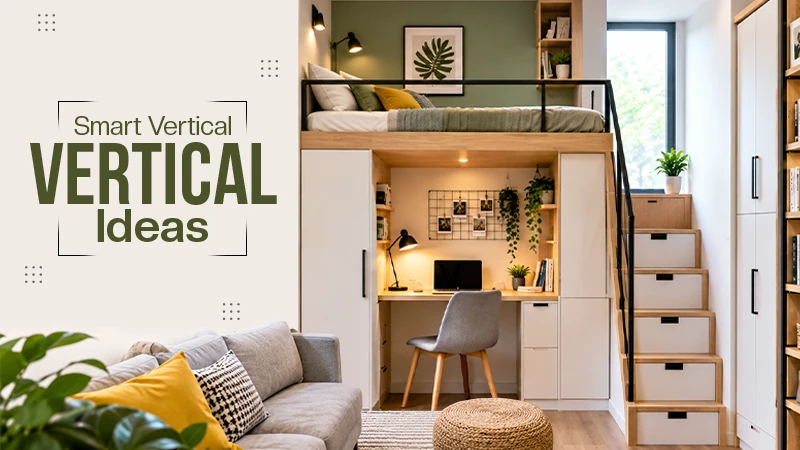
Store less-used items using unused vertical walls, i.e., under ceiling cabinets or between studs in one stud, to save on space and make your home more functional.
- Use custom cabinets under stairways or turn the space into a pantry or shoe closet.
- Keep a kitchen cabinet toe-kick drawer to store all the flat baking sheets and other flat items.
- Use recessed wall niches so that toiletries can be protected from moisture and stay hidden.
Smart Lighting
Natural light makes the biggest difference in expanding your space, without adding any walls. We see only what is revealed by the light.
- Composed in 4 layers: provide diffused ambient, sharp task, and accent light. Use layers to give spaces dimension and remove the heaviness of dark corners.
- Lighting Control via Dimmer switches: Use dimmers to automatically vary light levels based on the time of day to provide a light and airy feel to your home.
- LED Light Strip installed under counter tops or beds will create a floating ceiling, visually increasing the size of your floor plan.
Position Mirrors to reflect natural sunlight into your home’s interior, improving the amount of natural light.
Space-Enhancing Design Elements
Choosing to use cohesive design elements almost eliminates contrast by reducing the likelihood that an eye will “trip” against boundaries on anything from furniture to designs in the home.
For example, using acrylic chairs or glass coffee tables that do not add heavy visual weight can achieve functionality.
Additionally, when installing white drapes that hang above the frame of the window, the eye will be drawn up into the space, creating an illusion of a larger, taller area. You can compare designs via portable granny flats South Island NZ!
Using one material in several places throughout the house creates a sense of cohesion/continuity, therefore making the area feel like one large space rather than several independent spaces.
Indoor-Outdoor Connectivity
Think of building “through” instead of “out.” Connecting the inside with the outside creates an illusion of endless space.
- Bi-Folding: Replacing a traditional wall with an opening that is all-glass, allowing for an opening up of the living room to your patio or balcony.
- Same Materials: Using tiles or wood in both your home and your deck creates a seamless transition between the two spaces.
- Large Windows: Using large amounts of glass in your build allows the outside to be brought into your home and the horizon to become part of your home.
- Plants Indoors: Placing plants near windows creates a visual connection between the outside and the inside.
Smart Home Tech
2026’s tech is “invisible” but powerful; it quietly manages your home’s energy use.
- Smart thermostats learn habits and keep unused areas comfortable with less energy waste.
- Lights, security, and appliances are all controlled from one simple, easy-to-use interface, so there are no more wires or switches on walls!
- New sensors monitor your plumbing for added safety about causing your home.
- Less need for physical remotes and switches is creating clean, simple surfaces in homes!
Minimalist Decor
When living in a small space, the phrase “less is more” comes to life through your design choices and lifestyle. You will opt for functional luxury items instead of items that are just there to take up space and clutter.
- Quality over Quantity
- Negative Space
- Hidden wire management
- Multi-Functional Accessories
Budget Tips for Small Home Improvements
Maximizing space doesn’t have to break the bank. I’ve learned that a little creativity goes a long way.
- DIY Painting: A fresh coat of light, reflective paint is the cheapest way to “expand” a room.
- Upcycling Furniture: Adding legs to an old trunk to create a storage-rich coffee table.
- Thrifted Mirrors: Finding large, vintage mirrors to act as “windows” on dark walls.
- Peel-and-Stick Backsplashes: Adding a sense of high-end design to a small kitchen for a fraction of the cost of real tile.
Final Thoughts
A small home or property can now use smart tech, multi-functional furniture, and intentional design to improve the quality that the residents will experience, to live as luxurious as someone living in a mansion.
And it is as easy as doing high end bathroom renovations.
William Morris, “Do not place anything in your home that you do not think is useful. So un do not put anything in your home that you do not think is beautiful.” In 2026, both beauty and usefulness should be at the top of your list of must-haves.
FAQs
What’s the best colour for small rooms?
Lights, reflectives and neutrals are great colours for airiness and openness.
Can I use dark colours in my small apartment?
Of course! Dark colours would be ideal if used as utilitarian decorative accents only or if in areas such as bathrooms for a jewel box effect.
Is smart home technology worth my money for a small apartment?
Absolutely! It will help you reduce your overall physical technology and it will save you lots of energy in a very compact environment.
How do I make my low ceiling appear taller?
You may use curtains from ceiling-to-floor, vertical wall stripes and low-profile furnishings drawing the eye upward!