Home is where the family spends most of their time, watching TV together, playing in the garden, and resting in their bedrooms. Every homeowner aims to keep all these moments safe, and the members residing in it secure.
This can only be made possible when home safety is given a priority, and appropriate measures are in place to ensure that whenever an incident occurs, there’s a set plan to deal with it efficiently.
This article outlines why home safety deserves more attention and how homeowners can secure their place with smart enhancements.
Key Takeaways
- The first step towards creating a safer space is to secure it from the outside world
- Smart locks enable you to protect your home more efficiently by securing it with a passcode, biometric, or facial recognition
- Many fire-related incidents take place not because of outside interference but right from inside the home
- One of the best ways to secure yourself and your family is to equip the space with a comprehensive home security system
Why Home Safety Deserves More Attention Than Most Homeowners Give It
Many homeowners assume that installing basic security functions would ensure the safety of the whole house, but evidently, they are wrong.
Home safety comprises many different aspects. It’s not only about putting up a plastic fence around the home and setting up a few cameras that would get the job done.
According to the National Fire Protection (NFPA), hundreds of thousands of home fires are reported each year. This is primarily because of the mismanaged planning of home safety procedures and complacency from the people involved.
This is why you must ensure that your home follows every safety regulation and that the security parameters are all up to par with the Building codes.
Securing Entry Points (Doors, Windows, and Locks)
The first step towards creating a safer space is to secure it from the outside world. It is best to start with the most common entry points of your home.
Upgrading to Deadbolts and Smart Locks
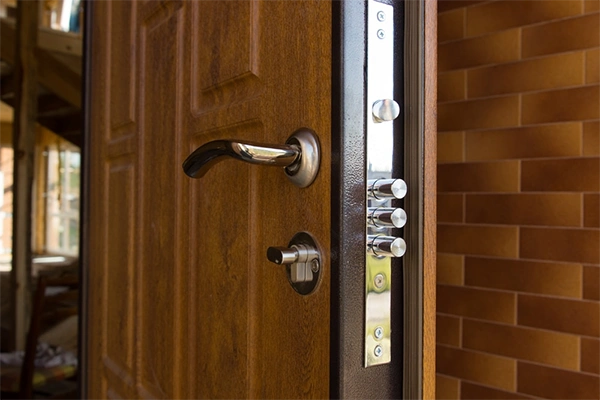
The easiest way to do it is to upgrade to deadbolts on the doors inside the home and install smart locks on the main entrance.
These smart locks enable you to protect your home more efficiently by securing it with a passcode, biometric, or facial recognition.
More advanced products also come with a camera that lets you see the visitor remotely, allowing you to unlock the entrance from anywhere you are.
Window Locks and Reinforcement Films Worth Considering
Government research indicates that many burglaries or break-ins take place through the windows of a house. This is why it is essential to add double locks to all the windows in your home.
It is also important to consider toughening up your windows with reinforcement films made from heavy-duty, tear-resistant polyester laminates that can be directly applied to the existing glass.
These security additions greatly decrease the chances of a forced break-in and help in keeping your family safe from outside threats.
Smoke, Carbon Monoxide, and Gas Detection Done Right
Many fire-related incidents take place not because of outside interference but right from inside the home. To prevent such issues, many proactive homeowners have abandoned the traditional method of guessing and transitioned to installing smoke detectors in their homes.
This solution provides clarity on what exactly is causing such gas disturbances, and a few advanced systems even deal with such problems with their built-in features.
You can learn more about the fire standards of commercial and residential buildings at https://barbonfireprotection.co.uk/, helping you better understand the security measures to take to avoid such situations.
Did You Know?
Those seemingly harmless holiday or souvenir snow globes can actually start fires if left in direct sunlight, as the water can magnify light and ignite nearby items.
Lighting That Deters and Protects
Increasing the illuminance of your area is the best way to deter outside interference and enhance the feeling of safety inside the home.
Motion-Sensor Lights for Outdoor Areas
Consider upgrading to intelligent lighting systems that turn on when they detect motion.
Now this is primarily used for providing convenience to the residents, as whenever you think about taking a peaceful stroll in your personal garden, the lights would automatically turn on, providing comfort.
It also works both ways, as it also detects any motion, so you get notified even when an uninvited visitor sets foot on your patio, lighting it up and alerting the people inside to what’s actually happening.
Smart Indoor Lighting for the Illusion of Occupancy
Installing smart lights inside your home shows an illusion of occupancy even when you’re not at home by allowing you to configure the lighting right from your personal devices.
It’s perfect for keeping malaligned intruders away, who may think of entering the house when they assume the house is clear of residents.
Be sure to check out the safety guide from the U.S. Consumer Product Safety Commission to have a smooth installation of the internal wiring that comprises indoor lighting.
Childproofing and Fall Prevention Around the House
One can also childproof their home by anchoring heavy furniture to the walls, blocking the stair access with safety gates, and keeping sharp objects in the kitchen away from their reach.
Additionally, keep walkways clear, use slip-resistant mats for wet areas like the bathroom, and always buckle up your child when placed on a highchair or stroller.
Home Security Systems and Cameras (What Actually Works)
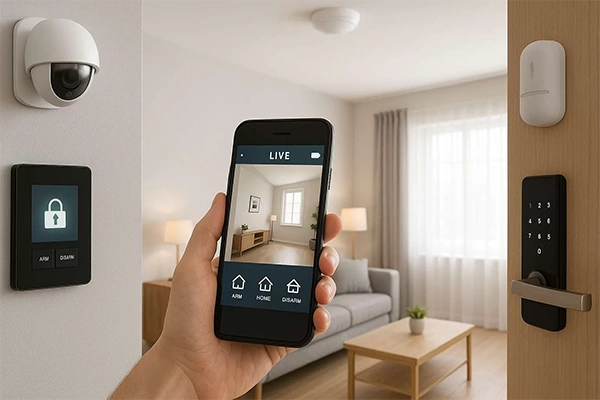
Having a clear visual of what happens in and around the house is crucial to staying ready for potential hazards.
One such way is to install remotely accessible cameras in your home. These advanced systems also send out an alert when they detect a suspicious presence inside the house.
Furthermore, one of the best ways to secure yourself and your family is to equip the space with a comprehensive home security system that upgrades the overall safety procedures and functions of your house.
Bear in mind that installing such a system mostly requires the assistance of a licensed electrician, so that all your existing electrical equipment integrates smoothly with new security additions.
H2: Building a Simple Home Emergency Preparedness Plan
All these security upgrades only work well when the residents of a home know what steps to take and procedures to follow when an emergency does occur inside.
Creating a definite plan beforehand and following it is vital to protect yourself when danger arrives in the home.
These simple changes, upgrades, and additions help your loved ones stay safe, secure, and happy in their home.
FAQs
What does a home security system actually do?
A home security system upgrades the overall security infrastructure of the home, making it a safer place for everyone inside.
Are reinforcement films worth it?
Yes, they toughen up the window glass, preventing any break-in or accidental tearing, thereby enhancing the security considerably.
Can I operate the cameras from my phone?
Yes, modern cameras include apps that provide live-feed access to the visuals of the home. They also come with built-in alert functionalities.
Why are smart locks important?
Smart locks provide ease of access, increase security, and allow you to have a clear visual of the visitor before remotely opening the door from wherever you are.