When it comes to planning for a complete renovation of your home, it becomes a crucial aspect to predefine a clear and sorted checklist to ensure things get successful as expected. It will surprise you that more than half of the renovation plans fail to execute as expected due to improper planning.
Longer time periods, budget issues, incomplete execution, and poor structures are the most common outcomes of random planning. You might ask – then how to plan effectively?
Go through this article, sharing the most vital aspects to consider for a successful remodel execution.
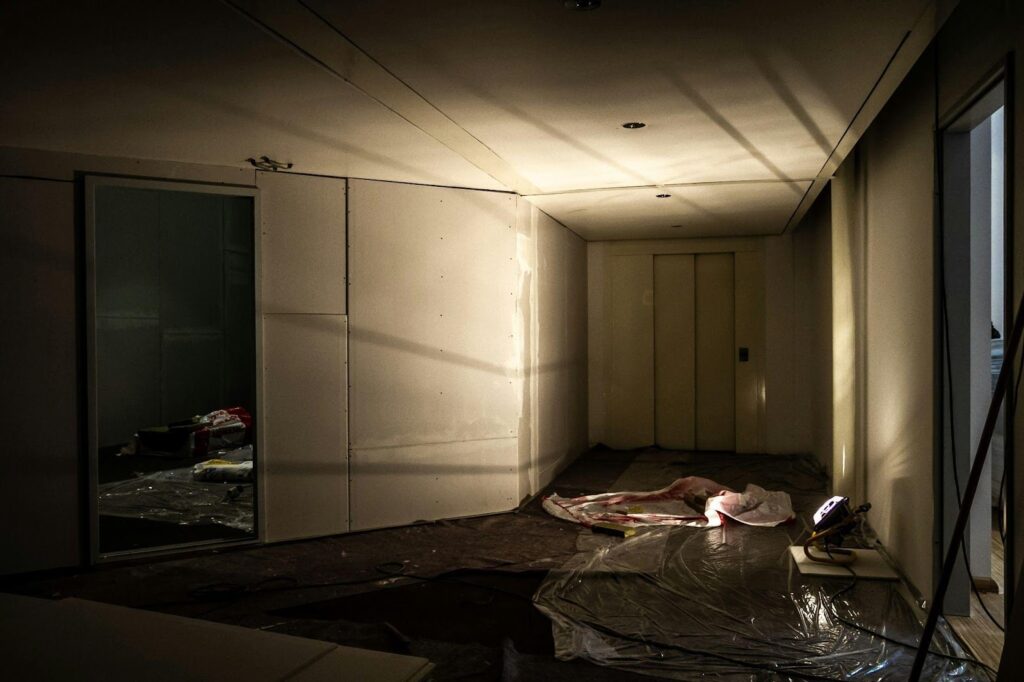
Data underscores why this matters: according to Houzz’s U.S. study, planning time now averages about twice construction time for many projects. For kitchens in 2023, planning averaged 9.6 months versus just 5.1 months of building.
Define Success and Constraints Before Design Begins
Every successful renovation starts with a single-sentence definition of what success looks like. Write yours now. One example would be “Create an open-plan kitchen and living area that supports sale in three to five years and boosts thermal comfort.” This phrase acts as your North Star when problems occur between budget, timeline, and finish quality.
List three to five top outcomes and rank them so your team knows which goal wins when trade-offs become necessary. Calculate your essentials, such as your budget ceiling, time limits related to school holidays or lease expirations, safety requirements for children and pets, accessibility needs, and limitations on temporary housing. Tie outcomes to concrete targets such as window U-values, storage volume, noise decrease goals, or energy bill savings.
Document what you’ll flex first if costs rise. Will you reduce scope, substitute materials, or extend the timeline? Pre-approve a hierarchy of substitutions based on equal performance, better performance, or schedule-critical criteria. This keeps you from making quick decisions during the high pressure on a project.
Establish Scope Using a Must, Should, Could Matrix
A smooth scope for every room avoids budget issues and guarantees crucial work gets done first. Advantage from must, could and should to put focus on must-haves. Must items include repairing roof leaks, reframing openings for egress windows, and upgrading circuits with GFCI and AFCI protection in wet areas.
In order to meet code exhaust rates, should items vary between task lighting, pantry storage updates, and bathroom ventilation upgrades? Could items are decorative wall panels, premium hardware, and accent lighting that can be roughed in but installed later if budget allows.
Sequence cosmetic upgrades last. Don’t paint until after the cabinets, doors, and trim installation to reduce touch-ups and protect surfaces. Early in your plan, you may need to change the bracing, move or remove supported walls, modify stairs, or expand wet areas in bathrooms.
Build a Budget Framework With Contingency Protection
A sustainable cost plan covers surprises without losing scope or quality. Build your base budget, then add a ten to twenty percent savings plan. Consumer Reports recommends at least ten percent for hidden conditions like concealed structural or electrical issues behind walls.
Use Prime Cost allowances for fixtures and finishes not yet selected, and Provisional Sum allowances for works with uncertain quantities, such as rock excavation. Median U.S. renovation spend rose by sixty percent from fifteen thousand dollars in 2020 to twenty-four thousand in 2023. Over half of renovating homeowners spent twenty-five thousand or more in 2023, according to Houzz data.
Price core classes at three levels to see trade-offs clearly. Examine your options for windows, HVAC, flooring, cabinets, and other items. Note lifecycle costs, including maintenance and energy use, on top of current costs. Map deposits, claims of progress during the drafting and framing phases, and holding on until the checklist is closed. Hold the plan in a separate ledger with clear rules for when it can be drawn.
Choose Your Procurement Strategy Wisely
Find a delivery model that fits your project’s scope and your risk preferences. General contractors are good at setting times and handling multiple jobs. Design-build teams arrange transfers between design and construction tasks. Owner-builder methods suit small, simple areas if you can manage permits, safety, and scheduling yourself.
Verify licensing and coverage for every job before signing contracts. South Australia asks building work contractors to be licensed and overseen by a registered building work supervisor. Consumers can verify licensing via Consumer and Business Services. Check state records for complaints, inquire about testing pass rates, and request recommendations for recent projects that are similar.
Temporary Propping Contractors Protect Structure and Schedule
Engineered propping prevents structural damage during beam swaps, underpinning, or foundation works. WorkSafe New Zealand defines falsework and propping as temporary structures supporting loads that should be designed or verified by a Chartered Professional Engineer. Properly designed propping prevents differential settlement, cracking, and collapse.
Engage support specialists prior to removal to survey, design, install, monitor, and remove supports in coordination with inspections. Expect site assessment, engineered layout with load calculations, installation of shoring and needles, monitoring during works, and safe removal after permanent structure achieves design strength.
Before any demolition or wall removal, book temporary propping contractors from HouseLifting.co.nz to install engineered shoring, monitor loads, and safely remove supports after inspections and beam installation so your structure stays stable and your schedule stays intact.
Propping stabilizes structure so downstream trades work without stoppages. It reduces risk of damage claims and supports successful first-time inspection passes by demonstrating controlled temporary works.
Navigate Permits, Codes, and Inspection Gates
Confirm permit demands and code standards before finishing design. Structural changes usually require approval or a permit.
Auckland Council lists removing a load-bearing wall or changing bracing as work likely requiring building consent, typically processed within twenty working days. In Australia, the National Construction Code 2022 applies to modifications and additions with state-specific adoption timing.

Plan for inspection gates that govern your progress. Plan your order to include framing, rough electrical, plumbing, HVAC, insulation, waterproofing, and final checks. Hold materials and labor until pre-booked inspection windows are confirmed to avoid costly idle days. Document compliance in drawings by calling out structural member sizes, fire separation details, insulation R-values, and waterproofing systems.
Address Hazardous Materials Before Demolition
Identify dangerous materials early so work starts safely and legally. In the U.S., the EPA’s Lead Renovation, Repair and Painting Rule requires insured firms working on pre-1978 homes to follow lead-safe practices when affecting more than six square feet of interior paint.
Asbestos is predicted to be in one in three Australian homes built before 1990 and is dangerous when disturbed.
Safe Work Australia mandates asbestos checks and safe work method statements for certain demolition.
Notifiable demolition involving load-bearing parts six meters or higher requires regulator notification at least five business days prior. Set absence zones, use HEPA vacuums and certified PPE, and retain lab reports with chain-of-custody documentation.
Prioritize Building Envelope Performance
Water management, air sealing, and coatings lock in performance and protect the finish. Address roof cracks, rim joists, subfloor gaps, and duct entries before finishes to reduce leaks and drafts. ENERGY STAR predicts that air-sealing and adding insulation can save the average U.S. homeowner about fifteen percent on heating and cooling costs.
Seal top plates, attic doors, recessed lights, rim joists, and utility gaps with proper sealers. Weatherproof window and door openings with flashing tapes and back dams per manufacturer directions. Specify R-values suited to your climate and prevent thermal bridging with continuous insulation where possible.
Inbuilt Wood Fireplaces Offer Efficient Heating Solutions
Built-in wood inserts deliver efficient, space-saving heat when integrated into existing fireplaces or new cavities. They restore floor space and lower clearance zones compared to freestanding stoves, improving furniture layouts in small plans.
If you’re comparing tested insert options in Australia, review inbuilt wood fireplaces from Oblica to select a high-efficiency unit with documented clearances and flue components that simplify coordination with your builder and inspector.
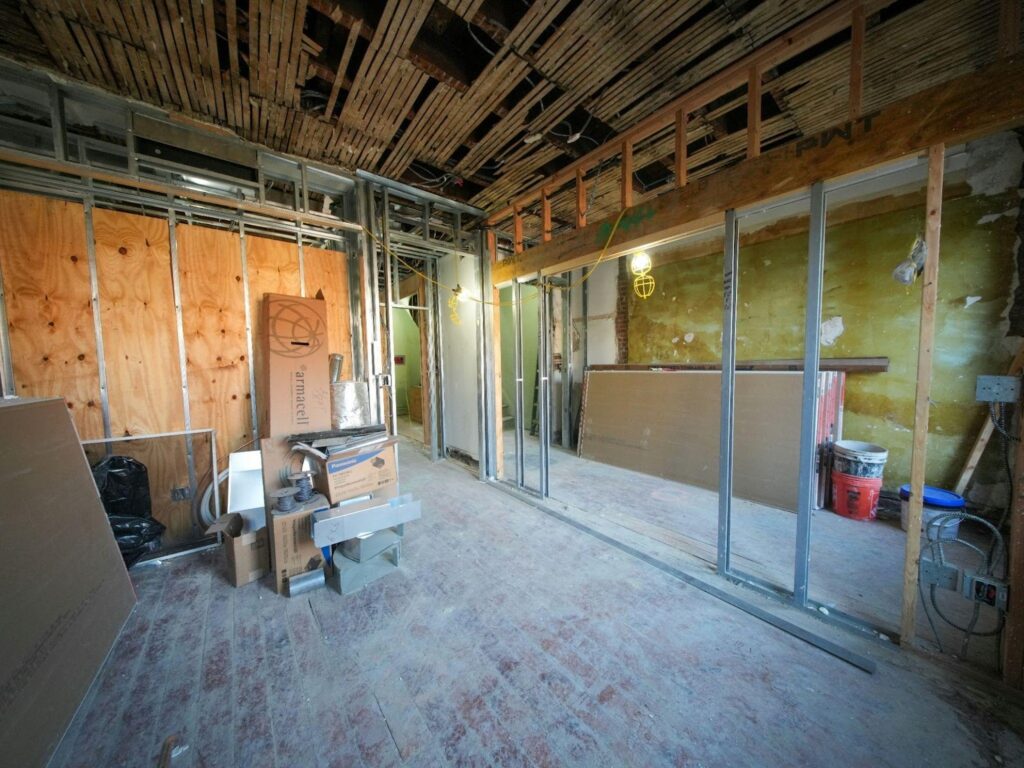
Installation must follow AS/NZS 2918 and the manufacturer’s directions. Document clearances, flue systems, and consent requirements. Lock specifications, including dimensions, output, and clearance boxes early to coordinate framing, fireproof linings, and flue routing before walls close.
Upgrade Electrical, Plumbing, and HVAC Systems
Right-size and modernize services to match your new layout and loads. Verify panel capacity and add GFCI and AFCI protection where required. Pressure-test plumbing after rough-in and confirm slopes, venting, and flow rates meet code.
For HVAC, perform load calculations when opening spaces. Modern air-source heat pumps can reduce electricity use for heating by up to seventy-five percent versus electric-resistance systems according to the Department of Energy.
Provide special circuits for high-demand appliances, including ovens, induction cooktops, heat pumps, and EV chargers. Run cables or spare circuits during open-wall phases for future technology upgrades. Verify thermostat placement, refrigerant charge, and airflow during installation.
Painters in Adelaide Deliver Professional Closeout
Licensed local painters close out by using efficiently, sequencing rooms, and producing consistent finishes under warranty. South Australia requires building work contractors to be licensed, so verify credentials and agree on scope, including prep, coats, and products.
For South Australia projects ready for final coats, schedule painters in Adelaide from AJ Blunt Painting to deliver licensed, warranty-backed finishes that keep your closure on schedule and your handover documentation complete.
Detail patching, sanding, caulking, and masking in your scope agreement. Specify exclusion items to avoid disputes. Use natural and raking light inspections to check coverage and defects. Record paint batch numbers and retain touch-up quantities for future maintenance.
Execute Quality Control and Punch List Closure
Walk the job with a detailed checklist tied to plans and specifications. Test GFCI circuits, smoke and CO alarms, and run HVAC in all modes. Verify plumbing fixtures for leaks and proper flow. Photograph concealed work including framing, insulation, and waterproofing for records.
Log defects with photos, assign responsible parties, and set due dates. Verify corrections before approving payment releases. Maintain a single source of truth for revisions and as-built drawings to prevent future confusion during maintenance or resale.
Conclusion and Next Steps
Renovation is a crucial part of maintaining a home. It is an impactful investment for your future. However, some impractical planning can ruin plans to get a well-renovated home – one that looks like a new one.
With the on-time locking of scope, proper planning, communicating budgets, and addressing common problems can help ensure a successful remodel. Just preparing your home and monitoring progress according to the remodel structure can uplift the chances ofthe right execution.
In addition to guaranteeing a successful remodeling, a carefully home renovation planning also saves money, time, and effort.
How to know whether my home needs renovation or remodeling?
Renovation is required when you feel some slight changes can fix the issues, and remodeling is needed for heavy requirements.
What is one fit solution for renovation projects?
There is no direct way. You have to understand the needs and then decide whether it will require a heavy renovation.
Why do budget issues arise?
Budget issues mainly arise due to unrealistic plans and miscommunication. When things are not understood and discussed accordingly, issues become common.