Good ventilation removes smoke, steam, and cooking odors, improving air quality.
It keeps the kitchen cooler and more pleasant to cook in.
Also controls humidity and slows down food spoilage caused by bacterial growth.
Heat control reduces restrictions created by smoke and fogged-up glasses, leading to efficient cooking.
To keep the overall temperature stable and cut energy costs, ventilation installation can be helpful.
Nowadays, buyers are more attracted to features that add effectiveness to the home, which eventually increases the residential value.
Lastly, it prevents grease buildup on walls, cabinets, and appliances, preserving their look and function.
Due to increasing pollution, everyone prefers to stay home and breathe safe air. But this could only be possible if those homes have maintained fresh air quality.
However, the question is, how do homes have contaminated air? The primary reason is odor and smoke released from the kitchen after cooking.
What’s the solution? Installing proper ventilation for the kitchen to eliminate all those harmful particles before they spread throughout the premises.
The global ventilation system market size and share value are expected to reach around 56.6 billion US dollars by 2033 at a compound annual growth rate of 7.7%.
This growth data reflects a major shift in how people view their kitchen spaces, not just for cooking only but as a part of a healthy home.
But before making any decision, there are many other things that everyone should know. So, read this article that elaborates on the key benefits of a well-ventilated kitchen for every home chef.
Improved Air Quality
A well-ventilated kitchen is the first step towards cleaner and healthier indoor air. Certainly, cooking releases smoke, grease, and odors that can spread in the air and stick to the walls and furniture.
Without proper ventilation, these particles can contaminate indoor air, causing air pollution and discomfort. For this, kitchen ventilation options like a powerful exhaust fan or a range hood remove these irritants, allowing fresh air to circulate and keep the kitchen environment healthy.
Better Comfort
Cooking for long hours or with high heat can make the kitchen hot and stuffy. Without proper ventilation, especially in summer, the heat gets trapped inside the kitchen, turning a home kitchen into a sauna.
In contrast, a home with a proper ventilation system removes excessive heat, along with pungent smells of stinky food. This creates a cooler environment so that the chef doesn’t sweat while stirring a pot.
Risk Reduction of Food Spoilage
Poor ventilation raises the humidity level in the kitchen, particularly when boiling a steaming food. This moisture is a perfect breeding ground for microorganisms. Some days later, you see bacteria might grow in the form of mold on walls and in pantry corners.
Due to the growth of harmful bacteria, fresh food gets spoiled, and even packaged food shelf life decreases. So, homeowners should install chimney ducts to reduce excessive moisture levels and keep nearby areas dry.
Interesting Fact The first known range hood fan was invented in 1926 by Theodore R.N. Gerdes.
Increased Cooking Performance
How does a clean and cool kitchen increase cooking performance? Without smoke or heat cloud vision, home chefs can focus more on technique and timing and increase cooking performance.
Additionally, a properly ventilated space helps avoid overcooked meals or heat stress, especially when using multiple burners or baking and roasting all along. It also keeps the cooking smell from blending into one confusing smell, making each dish stand out.
Energy Efficiency Benefits
A good kitchen ventilator can actually reduce energy consumption for a longer period. When a house doesn’t have one, its HVAC system gets disrupted due to overheated space caused by cooking. This might eventually lead to higher energy bills, especially for air conditioners.
Whereas, the proper system helps keep the kitchen temperature in balance, which reduces strain on the air conditioning system. Even some motor range hoods come with energy-efficient motors and lighting, offering clean air without high power consumption. Over time, this energy-efficient system can create an eco-friendly home environment.
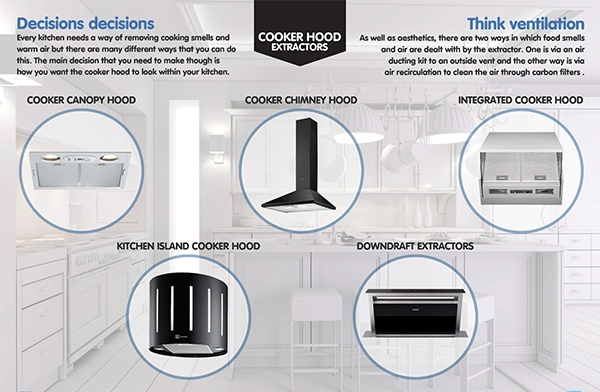
These are some common types of kitchen ventilation systems found in modern houses.
Boosting Home Value
Nowadays, people find houses that are appealing as well as well-functional from the inside. So the kitchen, being the heart of the house, has to have certain effective elements. In this case, a ventilated kitchen cannot just be good for daily use but also add value to the home.
Moreover, an updated venting system shows that the kitchen is well-maintained and built for daily use. It adds appeal to both health-conscious and culinary enthusiasts. Overall, a ventilated kitchen can be a strong selling point that improves both function and resale potential.
Preservation of Kitchen Fixtures and Finishes
Everything requires proper maintenance, so does the kitchen. Although it becomes a challenge to preserve kitchen features and finishes in a room full of smoke, steam, and grease.
The trapped contaminants can settle on cabinets, countertops, and appliances, causing long-term damage. Thereby, a proper exhaust system removes these particles before they can settle and extend the life of kitchen material.
In conclusion, a well-ventilated kitchen is more than just a luxury; a smart and necessary investment for any home. From keeping the air fresh and breathable to enhancing comfort and protecting the kitchen surface, it can provide multiple benefits simultaneously.
Frequently Asked Questions
Is installing a ventilation system expensive?
It might be expensive, but it works as a one-time investment to keep everything safe for the long term.
What is the cost of installing a kitchen ventilation system?
The cost can vary widely depending on the type, size, and complexity of the setup. On average, it can range from $100 to $800.
What are some common kitchen ventilation options?
The popular options include range hoods, exhaust fans, downdraft systems, and chimney ducts.
How does ventilation affect food safety?
Proper ventilation reduces humidity and bacterial growth, which keeps your ingredients for longer and away from harmful microorganisms.