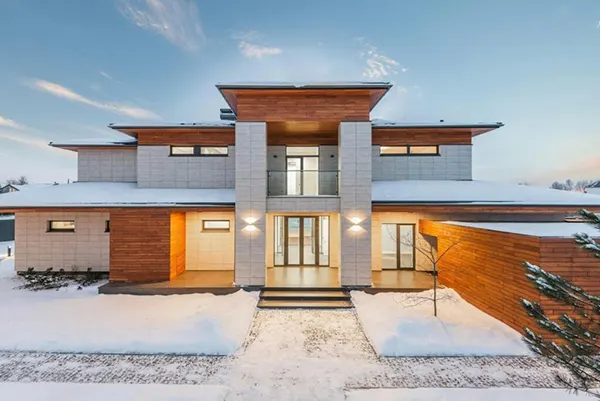
A two-storey home reimagines space by stacking rather than being excessively large. This vertical approach alleviates floor area constraints, preserves outdoor space from extensions, and imparts a serene architectural presence.
Such designs utilize height as a strategic advantage rather than an afterthought. When executed thoughtfully, they create inviting spaces for living, working, and relaxing—without the expansive footprint typical of single-level homes.
Double storey house plans often unveil hidden character, offering cozy retreats above the busy ground, crafting intimate corners on stair landings, and revealing vistas otherwise unreachable. They foster a conversation between seclusion and openness, movement and tranquility, showcasing their subtle strength.
KEY TAKEAWAYS
- Consider a hallway on the first floor, however, the next floor for a productive space.
- Keep the lights on over each step on the staircase to enhance the path.
- Don’t forget to recreate the outdoor space, including courtyards and vertical gardens.
Balancing the Ground Level: The Social Spine
The lower hallway carries the communal pulse of the home—kitchen, living, dining, any space where conversation naturally gathers. The layout should breathe to make this work gracefully. Instead of boxing each zone, let them naturally blend in long sweeps or partial overlaps.
Create lines of passage clear enough that people can drift freely instead of feeling shepherded around furniture.
A clever trick consists of shaping the ground level as a spine rather than a maze. One axis means steady flow. Even with compact square footage, this helps prevent the home from feeling cramped. Sliding doors toward the backyard expand the sense of volume; clear or timber-framed partitions hold structure without closing the space.
Light travels more thoroughly this way, making the first floor feel generous without adding even a centimeter of actual floor area.
Using the Upper Level as the Private Realm
If the first floor hums with energy, the upper floor hums with intention. Study spaces, bedrooms, reading nooks—they belong upstairs, where footsteps are gentle and routines steady. In well-crafted double-storey house plans, the upper level does not mirror the lower one. It takes on distinct rhythms.
Tuck a study nook beside a sunny window instead of hiding it in a corner. Turn a hallway into a gallery display for books and small décor pieces. These details matter—they redefine the utility of the upper floor far deeper than its basic rooms.
By shaping upstairs as a destination better than a simple sleeping area, you unlock an entirely additional personality inside the home.
Playing With Vertical Volume
When a home rises through levels, it also gains the gift of vertical play. You can stack functions, sculpt voids, and bring in light from above. This is where double-storey styling truly stretches its legs, creating moments that single-storey layouts simply cannot.
Staircases That Do More Than Climb
A staircase in a double-storey home can act like a sculptural feature, a spine, or a hidden workhorse. Turn the space beneath it into storage—cabinets for cleaning supplies, drawers for shoes, a compact mud room if the entry is tight. That piece alone frees up multiple square meters that would otherwise be lost.
Or make the walkways themselves an architectural moment: open-riser timber steps allowing light to sift through, or a curved staircase aligned with the wall to reduce its footprint. Even a straight run, if positioned carefully, acts as a channel of movement that feels engaging instead of obligatory.
A thoughtfully placed staircase alters the vertical rhythm of the home, giving the two levels a meaningful connection irrespective of a functional link.
Light Wells and Upper-Level Windows
This type of house plan gains its tranquility from light. A void above the dining area draws morning brightness into the center of the home. Clerestory shutters on the upper floor spill daylight down the stairs, cutting back the need for harsh overhead lighting.
These tricks enlarge the emotional space, creating a small homes that feel layered and dynamic. Light rising and falling through storeys offers the impression of bigger rooms, taller ceilings, and an interior that changes perception throughout the day. It’s one of the simplest ways to maximize a home without adjusting its footprint.
Carving Storage and Utility Out of the Structure
Space-making is not only about planning rooms; it’s also about weaving storage into the architecture so you never feel the walls closing in. With double-storey homes, several hidden opportunities don’t present themselves in single-level builds.
Built-Ins That Follow the Walls
Use the height. Let cabinetry be extended upward. Built-ins can sit beneath stairs, under windows, beside interior columns, or along narrow hallways. When shelves are built high, they invite the eye upward, yielding a feeling of scale.
A wardrobe becomes a vertical tower. A pantry runs straight instead of wide. Even laundry cupboards can be stacked, leaving more space for folding areas or drying racks. Yet instead of consuming floor space, the storage climbs like a vine along the structure, moving every wall into a quiet helper.
Multi-Use Rooms That Shift Roles
A double-storey home benefits immensely from a flexible room upstairs—a space that transforms as life shifts. It can be a guest room, a miniature gym, a study, or a craft nook. The point is not the label; it’s the adaptability.
Positioning this space upstairs keeps the first floor uncluttered. It absorbs overflow—kids’ projects, creative mess, exercise gear —without spreading into shared living areas. It strengthens the home’s resilience, able to adjust to changing routines or stages of life.
Outdoor Spaces That Stay Intact
One of the most overlooked benefits of the particular design is how well it preserves outdoor space. Instead of a home swallowing half the plot, it stands tall and leaves the land practically untouched. This transforms the outside area into something more than decoration—it becomes an extension of the living space.
Courtyards That Act as Additional Rooms
A courtyard hidden beside the living area—compact but purposeful—functions like a private outdoor lounge. Pave a small part of it. Install a slim line of greenery along the edge. Keep it elementary enough to maintain easily and functional enough to use daily.
These outdoor pockets remain available even on small blocks because the house rises instead of sprawling. Morning coffee outside, quiet dinners under a warm sky, afternoon work at a small table—the courtyard becomes another “room” without the cost of construction.
Vertical Gardens and Narrow-Side Opportunities
Narrow side yards often end up ignored, but this type of home makes them valuable again. Vertical gardens can run along the fence. Slim planter boxes can stretch into a long ribbon.
Every sliver of land becomes usable when the building occupies less ground space. Do not force gardening into the backyard alone; you frame the home with greenery—potted olives, bamboo screens, ferns tucked under eaves. This transformation turns the exterior into a layered, living perimeter.
Maximizing space in double-storey home designs is not an act of expanding rooms; it’s an act of orchestrating levels, lifting the home toward the sky, carving utility out of forgotten corners, and letting light stitch the floors together.
When a design embraces height with intention, the home begins to move differently—lighter steps, calmer rooms, clearer pathways, stronger connections.
And in that vertical weave, every square meter works harder and feels larger than it looks on paper.
Frequently Asked Questions
How can an open floor plan help maximize space?
An open floor plan on the main level eliminates walls between the kitchen, living, and dining areas, which can make the area look expanded.
What are some effective smart storage solutions?
Built-in, floor-to-ceiling cabinets and shelving, with often-overlooked space under the stairs for drawers, a small office nook, or a pantry. There are some smart storage space ideas.
What are some effective smart storage solutions?
Built-in, floor-to-ceiling cabinets and shelving, with often-overlooked space under the stairs for drawers, a small office nook, or a pantry. There are some smart storage space ideas.
Are there any specific design elements to avoid in compact double-storey homes?
Avoid long, narrow hallways and oversized furniture that can clutter the space, along with traditional hinged doors that occupies large space.