Backyard living requires some flair and design taste to it, which many successfully incorporate, but what people don’t account for is the climate realities for their area.
As a result, all their meticulous aesthetic design and decorations fail because of unavoidable weather conditions. This kind of damage can be protected with some techniques.
This guide outlines how following a climate-first planning grounded in Australian standards and local weather conditions can save investments made to your backyard living space all year round.
Key Takeaways
- Knowing our climate zone and budget
- Design tactics and material shortlisting
- Drainage and surfaces according to the weather
- Ensuring regular maintenance
Climate-First Planning Beats Decoration Every Time
A truly year-round outdoor space stays usable in summer heat and winter cold while meeting safety and compliance requirements.
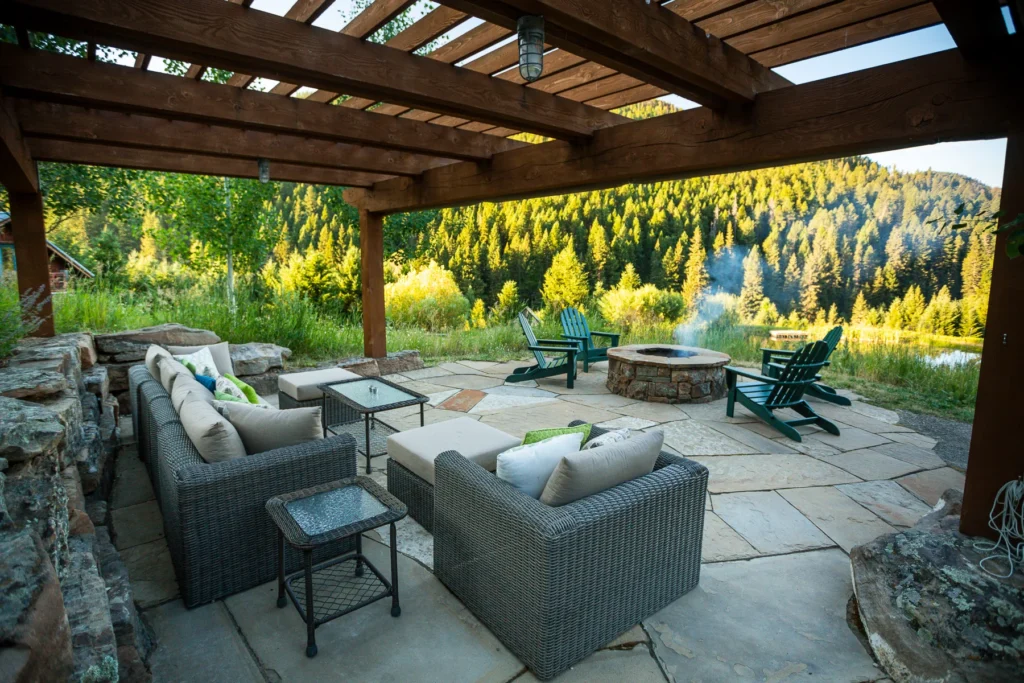
Australia’s National Construction Code (NCC) divides the country into eight climate zones, from tropical to alpine. Each zone creates specific demands for shade, ventilation, heating, and materials.
Additionally, your local hazards shape the brief as much as climate. Bushfire Attack Level (BAL) ratings determine what you can build near bushfire-prone land, while cyclonic wind regions across northern Australia dictate tie-down requirements. Coastal exposure demands corrosion-resistant fixings, so check the ABCB Climate Map and your council’s planning overlays before you sketch a single line.
What Makes Outdoor Spaces Truly Usable
- Shade that blocks UV whenever the index exceeds three, which is most days in Australia
- Drainage that prevents ponding and slip hazards in wet weather
- Wind and smoke management that protects neighbours and structures
- Compliance with electrical, fire, and general hazard requirements for your zone
Define Your Brief Before Designing Anything
Lock your priorities early so trade-offs become explicit before you spend money.
List everyone who will use the space: children need visibility and soft-fall zones, pets need durable surfaces, older adults need step-free routes, and frequent hosts need robust dining areas with nearby prep zones.
Also, think about frequency. Weeknight dinners need a different infrastructure than summer parties or winter fire gatherings. These patterns determine where you place water, power, and storage.
Moreover, nominate your maintenance commitment honestly – low, medium, or high – because this choice guides every material and plant selection.
Write a brief that lists must-haves, nice-to-haves, and no-go items such as noisy pumps near bedrooms. Refer back to it whenever a quote or new idea appears, so scope creep does not quietly blow your budget.
Budget and Privacy Priorities
Your focus should be on comfort and upgrades, which lets you keep maintenance easier. Durable fixings in coastal areas can save you lots of replacement money, as paving could prevent runoff issues.
Target privacy tactically by screening sightlines from neighbouring windows without blocking northern winter sun and cooling breezes. Estimate storage volume for cushions, BBQ gear, and tools so clutter does not accumulate.
Know Your Climate Zone and Microclimate
Australia’s Your Home resource and the NCC divide the country into climate zones requiring different responses.

Tropical zones need generous ventilation and insect-proofing. Hot-dry zones benefit from evaporative cooling, which uses water to cool air as it passes through pads. Temperate zones balance winter sun capture with wind protection, while cool zones prioritise solar gain and shelter.
Microclimate Factors That Change Everything
Conditions vary street to street. Mark overshadowing from fences, trees, and buildings at different times of day.
Also, note radiant heat from west-facing masonry that elevates evening temperatures, and use a ribbon on a stake to observe prevailing breezes and position openings accordingly.
Follow water patterns and map soggy patches and overland flow to direct grading and permeable surfaces.
Near coasts, identify salt-laden wind exposure for corrosion planning. Create a simple site sketch showing north orientation, sun paths, shade patterns, wind directions, and wet spots.
Translate Climate to Design Tactics
Different zones demand different priorities.
Tropical areas need deep shade in all high-use zones with ceiling fans; Energy.gov.au notes ceiling fans reduce perceived temperature by roughly three degrees for minimal running cost. Design high, vented roofs and screened breezeways that shed heat and exclude insects.
Furthermore, the dry zones require shade because of direct sunlight, and deciduous trees and light coloured roofing provide shade.
Whereas temperate zones require shade, which is changing, much like retractable blinds and targeted heating for winter.
In bushfire-prone regions, align outdoor rooms with your house bushfire strategy by choosing non-combustible roofing, metal framing, and hardstand surfaces instead of dense planting close to structures.
Cool and Alpine Zone Essentials
- Locate one sheltered, partially enclosed zone to trap winter sun
- Specify non-slip, de-icing-friendly surfaces
- Use electric radiant or flued gas heating – avoid unflued heaters in enclosed areas
- Provide dry storage for wet-weather gear near entries
Did You Know?
Australia is the second driest continent after Antarctica, as 80% of its land receives less than 600mm of rainfall throughout the year.
Backyard Sheds Protect Your Investment
Outdoor living succeeds when clutter stays dry and accessible.
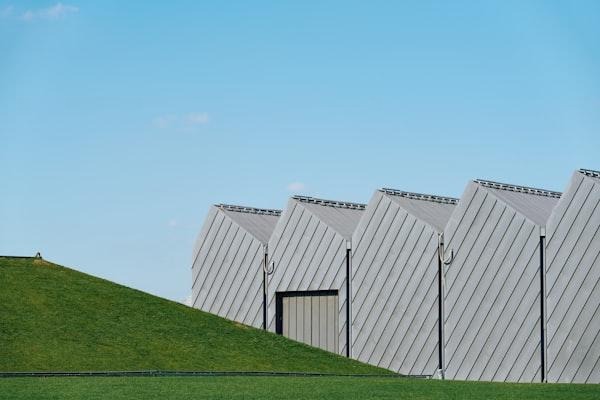
A compact shed prevents damage to cushions, BBQ equipment, and garden tools that would otherwise deteriorate in weather exposure.
As a result, to keep storage simple and weatherproof in all seasons, many homeowners opt for a compact steel shed located close to their main alfresco area so packing up is fast, safe, and easy after meals or weekend gatherings.
When cushions, tools, and BBQ gear live outdoors, add a secure steel shed with cyclone-rated tie-downs and vermin-proofing to keep everything dry year-round – see Greenspan Buildings’ garden sheds for durable options sized to small Aussie blocks.
Plan internal layouts as carefully as the external shell. Include shelving for small items, hooks for long-handled tools, and a clear zone for bulky cushions or portable heaters so access stays safe and quick.
Specification and Placement
Choose steel cladding with corrosion-resistant fasteners, and near surf zones, consider marine-suitable coatings. Include vermin-proof detailing with mesh seals so doors remain lockable and weather-sealed.
Anchor sheds according to manufacturer guidance, using rated tie-downs in cyclonic wind regions.
Locate sheds along step-free paths from the alfresco area. Grade the slab or pavers away from the threshold and add strip drains if needed. Maintain separation from boundaries per local rules, and in bushfire-prone areas, avoid storing fuels near structures.
Check whether your shed size triggers approval thresholds in your state and council, and adjust dimensions early if a small reduction avoids unnecessary paperwork and cost.
Shade That Adapts to Seasons
North-facing areas are easiest to shade in summer while capturing winter sun.
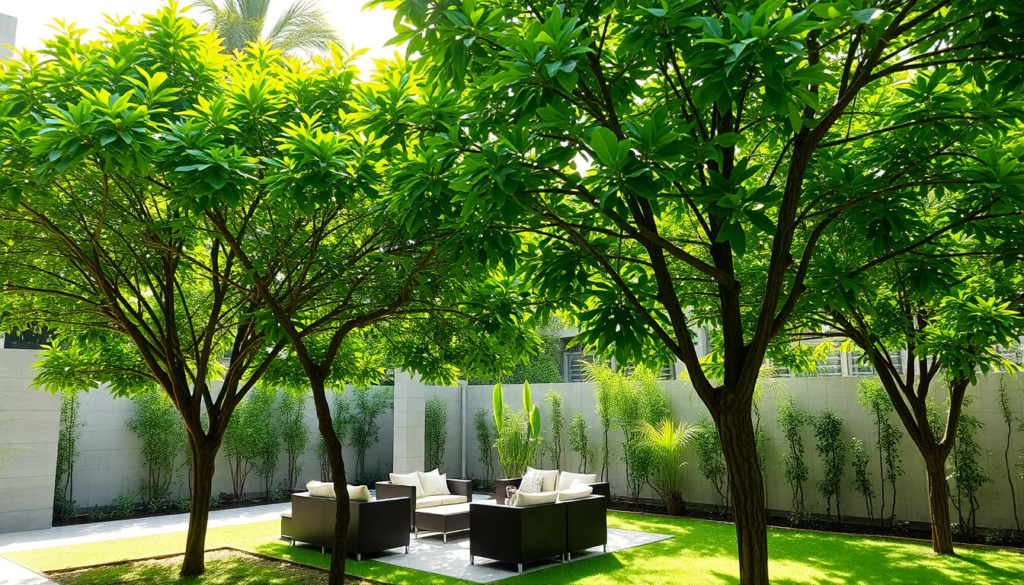
For many southern latitudes, size eaves at roughly forty-five per cent of sill-to-eave height to block high summer sun and admit low winter sun. East and west facades need stronger controls because low-angle sun penetrates deeply and overheats paving and walls.
Fabric and Tree Shade Details
Select shade cloths with ultraviolet protection factor (UPF) 50+ ratings for excellent UV protection, blocking around ninety-eight per cent of harmful rays. Tension fabric properly to prevent water pooling.
Tree shade delivers fast summer cooling, so choose low-maintenance species near seating and maintain lifted canopies for airflow.
In bushfire-prone areas, separate shrub layers and maintain clear zones near structures. Avoid ladder fuels that allow fire to climb from ground level into tree canopies.
Combine fixed structures with operable elements where budgets allow. For example, pair a solid roof over the main dining zone with retractable awnings or outdoor blinds that can be opened on bright winter days and closed during summer heat or sideways rain.
Air Movement and Heating Done Right
Ceiling fans provide the best comfort return per dollar in summer.
Size fans appropriately, typically fifty-six to sixty inches for twenty to twenty-five square metres. Mount them high enough for head clearance and use reverse mode in winter to push warm air down from patio roofs.
For winter warmth, favour radiant electric heating for spot use. Avoid unflued gas in enclosed spaces due to moisture and air quality concerns. If using fire features, confirm local rules and design ventilation that prevents smoke drifting to neighbours.
Support fans with natural airflow. Position openings and gaps in balustrades or screens so breezes cross seating areas, and avoid fully enclosing patios in glass where summer heat or cooking smoke would otherwise build up.
Cairns Custom Home Builders for Tropical Projects
New builds and major alfresco upgrades in the tropics need cyclone-ready outdoor design that respects wind and rain loads.
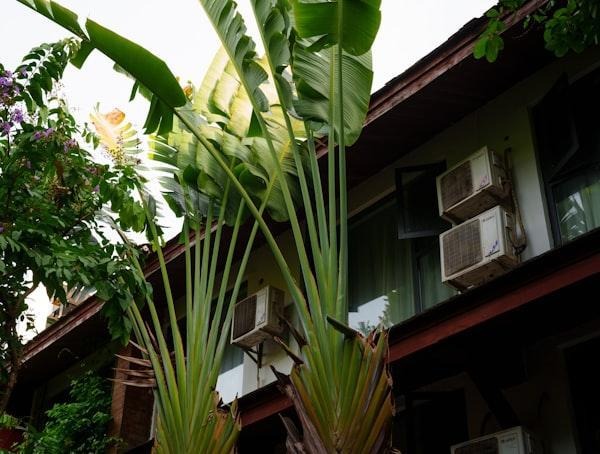
Planning a new build or major alfresco upgrade in the tropics is easiest when you work with a builder who understands cyclones, corrosion and council rules in Far North Queensland, rather than trying to retrofit standard southern designs to local conditions.
Cairns Quality Homes are award-winning local specialists who live and build in the region, know the local trades and approval processes inside out, and act as trusted custom home builders in Cairns who specialise in Region C, the high-wind cyclone classification for Far North Queensland, including wind design, screened breezeways, and corrosion-resistant detailing that suits wet-season realities.
What Cyclone-Ready Design Requires
Region C design in Far North Queensland demands experience with wind action standards, tie-down schedules, and rain management for alfresco roofs. A builder experienced in these conditions coordinates energy compliance opportunities and specifies materials suited to wet-season demands.
Expect guidance on rated screens, marine-suitable coatings, and fastener selection where coastal exposure is significant. Early engagement aligns siting, drainage, and outdoor room design with council requirements.
Ask to see examples of past cyclone seasons and confirm that gutters, downpipes, and outdoor ceilings are detailed to handle tropical downpours without leaks or overflow onto door thresholds.
All-Weather Surfaces and Drainage
Slip-resistant surfaces prevent injuries in wet conditions.
Target P4 to P5 wet pendulum ratings under Australian Standard 4586 for wet-exposed areas and pool surrounds. Keep textures consistent across thresholds to avoid trip points.
Integrate permeable paving to reduce runoff. Melbourne Water notes the benefits, including flood peak attenuation and groundwater recharge. A Melbourne case study showed permeable pavements reduced catchment peak flows by seven to sixteen per cent when properly maintained.
Set falls away from the house at a minimum of one to one-and-a-half per cent, collect water in strip drains where levels are tight, and direct it to garden beds or infiltration zones instead of neighbours’ yards.
Lighting and Power Outdoors
Layer your lighting: bright task light over BBQ areas, diffused ambient light for seating, and low-glare path lights for safe navigation.
Place switches at natural entry points. Use warm-white LEDs around 2700K for comfort.
Require safety switches on outdoor circuits and use licensed electricians for all work. Select ingress protection (IP) 66-rated fittings for exposed locations and position sockets clear of irrigation zones.
Allow for extra conduit runs during construction, even if you stage fittings later, because adding power or data once paving and decks are finished is slower, messier, and more expensive.
Fire Pits and Local Smoke Rules
Many councils allow fire pits under defined conditions while prohibiting open burning of vegetation or waste.
Brisbane permits braziers if smoke impacts are minimised and safe distances are observed. Always confirm current fire bans before lighting.
Site fire features away from combustible fences and overhanging branches. Provide non-combustible pads and keep extinguishing means nearby. Plan seating with wind patterns in mind to prevent smoke nuisance.
Where smoke rules are strict, consider gas fire tables or enclosed chimineas that give flame and warmth with far less smoke and ember risk than open wood fires.
Maintenance Keeps Performance High
A thirty-minute seasonal check prevents small issues from becoming hazards.
In summer, clean fan blades and shade structures, test safety switches, and treat slip risks. Autumn means clearing gutters before winter rains and inspecting fixings for corrosion.
Winter requires heater inspection and slip-resistance audits. Spring preparation includes pruning for summer shade, pest checks, and refreshing non-combustible mulch near structures.
Keep a simple seasonal checklist in your shed or on your phone, and note small issues such as loose pavers or rust spots before they become structural repairs.
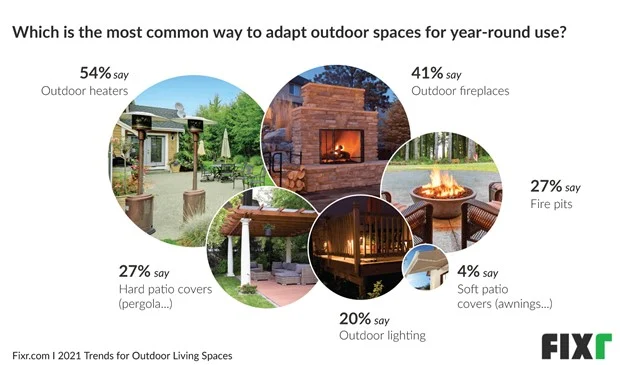
You can also take a look at some ideas on how to customise your background living space for a whole year:
Make Climate Do the Heavy Lifting
When you map the climate and microclimate, size shade, select slip-safe surfaces, and plan safe power and heating, then the planning and design come to fruition, and you create an outdoor living setup that works in any condition.
Invest smart, include structural enhancements, and at last add decorative additions. Keep making changes and reviewing your setup throughout the year to maintain what you have built.
How to keep my backyard comfortable in the winter?
Installing permanent or even portable sources of heat, like fireplaces and heaters, also rugs and comfy cushions to make it cosy in the winter.
What are the best materials to use as year-round furniture?
Durable materials which are weather-resistant are your best bet to use as year-round furniture, like aluminium, teak and resin wicker.
What are the best plants to be used year-round?
Evergreens and perennials both provide structure, privacy and seasonal colour. Native plants are preferred as they require less maintenance and are adapted to the environment.
What are the tasks required to maintain a living space?
Seasonal cleaning of paths and backyard spaces, along with equipment, drainage care and maintenance, also keeping off-season items in a specific storage unit, is a good habit.