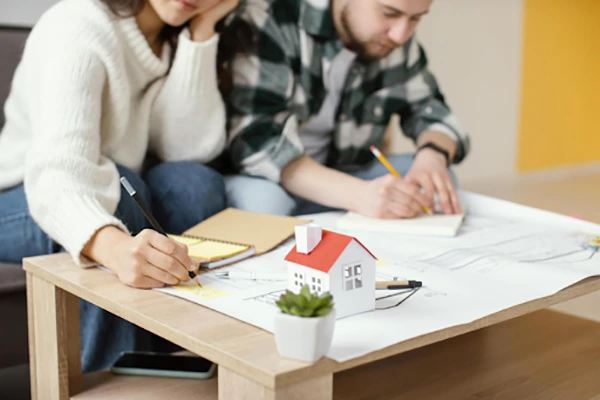
Create a custom home, and you’ll get a living space exactly as you want it. Everything is up to you, including the design, the materials, and each room. However, that freedom also comes with a lot of pressure to make the right choice because it will affect you for years to come.
Most people are unaware of how important the planning stage is. If you do it correctly, your home will be a wonderful fit for you. You’ll notice the errors every day if you rush through it.
We will therefore guide you through a few useful steps in this blog post to help you plan a build that complements your current style and can be modified to accommodate future changes.
Let’s jump right into it!
Key Takeaways
- Understanding how to work with experienced builders
- Looking at the plans for future changes
- Decoding ways to set up your budget
- Uncovering the perfect layout with storage solutions
Look at Your Current Home
Start where you are. Take a look around each room and really consider how you use it. Which areas do you spend time in? Where does clutter pile up?
These observations tell you what needs to change. Your kitchen might feel cramped because counter space runs short. Coats and shoes might scatter by the door because storage doesn’t exist. Each problem points to a solution in your new design.
Also, pay attention to what goes well. Maybe your bedroom catches beautiful morning light. In addition to fixing problems, you want to preserve what already functions properly.
Interesting Facts
Homeowners are increasingly prioritizing spaces that reflect their unique tastes and lifestyles while also being practical and functional for daily living.
Work With Experienced Builders
Partnering with custom home builders in Maryland helps turn ideas into reality. They understand local regulations, pricing, and construction methods that keep you from making costly mistakes.
That said, they still need clear input from you. They need to grasp what you want and why those things matter to how you live. Thus, coming prepared to those initial conversations makes the entire process smoother.
Plan for Future Changes
Life doesn’t stand still. Children grow up and eventually leave home. Situations at work change from being based in an office to being remote, and vice versa.
Builders across the country now emphasize flexible home designs that adapt to household changes. This forward planning helps you avoid expensive renovations when circumstances inevitably shift.
Think about where your household might be five or ten years from now. Will you need more bedrooms or fewer? Could remote work become permanent? Might you need main-floor living to avoid stairs?
Build Flexibility Into the Design
A main-floor bedroom can start as an office, transition to a guest room, and later become a master suite if stairs become problematic. Similarly, wide hallways and doorways cost little extra during construction but make an enormous difference if mobility issues arise.
Single-family home construction typically takes 8 to 10 months from start to finish. That means you’re planning for a version of your life that’s nearly a year away. What is more, looking even further ahead prevents costly changes later.
Set Your Budget Wisely
Construction costs vary dramatically based on location and materials. Break your overall budget into categories and decide what matters most.
Better insulation and quality HVAC systems cost more upfront, but reduce utility bills every single month. The savings accumulate over time and typically justify the initial expense. Nevertheless, pricey countertops don’t significantly alter how you use the kitchen, despite their impressive appearance.
Home builders usually allocate between 5 and 10 percent of the project budget for unexpected costs. Something always comes up during construction. Thus, having that financial cushion prevents panic when surprises inevitably arrive.
Get the Layout Right
The floor plan affects your daily comfort more than any finish or fixture. Think about how people move through the space during typical days.
You shouldn’t need to walk through the kitchen to reach the bedrooms. Bathrooms require privacy from the main living areas. Besides, mudrooms should connect to the door you actually use rather than some formal entrance that sits empty most of the time.
Maximize Natural Light
Natural light matters just as much as artificial sources. South-facing windows bring in the most sunlight throughout the day.
Morning sun in bedrooms wakes you up naturally, and evening light in living spaces extends usable hours. Additionally, smart window placement reduces energy costs over the long term.
Plan Adequate Storage
Insufficient storage consistently tops lists of homeowner regrets. Every bedroom needs adequate closet space. Kitchens require pantry storage beyond base cabinets.
Furthermore, linen closets near bathrooms prevent towels from taking over bedroom storage. Think about where you’ll actually use items and plan storage accordingly. Coat storage works best near your main entry.
Choose Classic Materials
Trendy finishes date quickly. Classic materials last longer and hold up better over time.
Hardwood floors beat carpet in durability, and you can refinish them over and over. Tile is the best for wet spaces to stop water damage. Good cabinets with simple lines can shift with different styles when you swap hardware or add paint. In addition to lasting longer, these materials usually bring better returns when you sell.
Invest in Quality Hardware
Invest more in things that you use on a daily basis. Cheap versions of light switches, faucets, and door handles break easily because they are used frequently.
You can save money on decorative pieces that swap out easily when your taste changes. Thus, you protect your budget while maintaining quality where it genuinely counts.
Planning a home takes time. Think about what you need now and what might change later. Choose function over trends.
Frequently Asked Questions
What is the most efficient style of house to build?
Earth-sheltered homes.
How will houses and homes be different in the future?
Future homes will include integrated systems that smoothly regulate lighting, heating, security, and appliances.
What will our homes be like in 2050?
Houses will be interactive and fully wireless.