Are you looking for your roof to get replaced? Or do you want to increase the lifespan of your current or future roof? Here are some important factors that need to be taken care of for the maximum lifespan of your roof.
After investing a huge amount in your roof, it’s natural to expect it to work for many years. However, various factors are present that determine how long the roof will last. These factors decide whether your roof fails prematurely or lasts many years.
It is not just about understanding what damages your roof; it is more about what can prolong your roof’s lifespan. The more you know about your roof, the more you can keep it in good condition for years. Read more to have a detailed overview of the factors that can significantly decrease your roof’s lifespan.
KEY TAKEAWAYS
- The quality of installation and the material used in the roof are the main factors that determine the lifespan of the roof.
- To avoid problems such as premature roof failure, regular roof maintenance is important.
- Taking care of Attic ventilation and insulation is as important as taking care of the roof.
- The average lifespan of a residential roof.
Quality of Installation
An improperly installed roof will require many repairs till it prematurely fails. The quality of installation is the biggest factor that determines the life of your roof.
Many different types of roofing materials are available in the market. Roofing professionals advise using high-quality roofing material, as they understand that roofing material plays a significant role in the performance and longevity of the roofing system.
Premature failure of the roof can be caused by poor workmanship or poor weather conditions during the roof installation or replacement process. On average, a three-tab shingle will last about 50% as long as an architectural shingle.
Fortunately, hiring a professional roofing contractor with a strong history, such as Johnson Restoration, can significantly avoid these issues. But no matter what roofing material you are using, improper installation will lead to a premature failure of the roof.
Surprising Fact
Roofs can last longer than you will live in that home. A correctly installed, good-quality roof will last for about 30 years, which is typically a longer time than residents spend in a home.
The Direction a Roof Faces
The direction that your roof faces also impacts how long your roof lasts. Shingles are made to withstand UV light, but prolonged exposure can cause UV damage and result in wear and tear quickly.
The things that directly lead to wear and tear are – extreme temperature changes, amount of direct sunlight, overhanging trees, roof’s pitch, frequent rain, ice storms, and sitting debris.
If the roof is facing the east or west side, then each side will get an equal amount of direct sunlight. But when it faces south only, then it will get direct sunlight all day while also taking the brunt of the wear and tear from the weather.
And another problem is that one side of your roof will not dry easily after rain, which will cause the growth of moss and algae on the roof. This will eventually lead to a leak and can also damage the shingles underneath.
Climate and Environmental Exposure
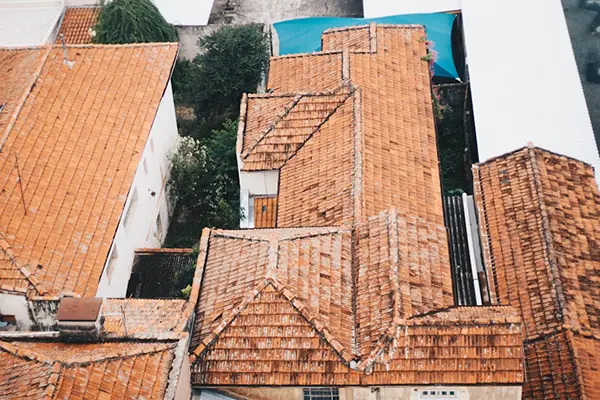
Regardless of roofing product quality, the lifespan of the roof depends on the weather conditions to some extent. A roof that undergoes extreme heat and cold could age prematurely. The sudden change in the temperature of the roof can cause a crack or a thermal shock.
The more exposure to extreme weather conditions, the more the lifespan of the roof is affected. In case of rain, the fewer holes your roof has, the more it will protect the roof from water intrusion.
However, reflective coatings can be used to decrease the overall roof temperature and protect from sudden temperature changes. For areas with extreme weather conditions, it is best to take insurance for extra safety.
Ventilation and Insulation
After proper installation of the roof, attic ventilation is an important factor that determines how long the roof will last. A roofing system that breathes properly can increase the lifespan of the roof.
Irrespective of the season, trapped air in an inadequately ventilated attic shortens a roof’s lifespan. It leads to too much heat buildup in the attic and the roof area.
In summer, trapped heat is enough to burn up the roof and cause cracked or curled shingles. In winters, when the cold air in the attic meets the warm air from the interiors, it results in the condensation being trapped. In humid weather conditions, excess moisture formed can result in the quick degradation of the roofing material.
No matter what the conditions are, improper attic ventilation will negatively impact the lifespan of the roof. So ventilation and insulation should be considered precisely to avoid undesired issues.
Basic Fact
Insulation slows heat transfer, keeping your home warm in the winter and cool in the summer, while ventilation ensures fresh air circulation and moisture removal.
Maintenance and Repairs
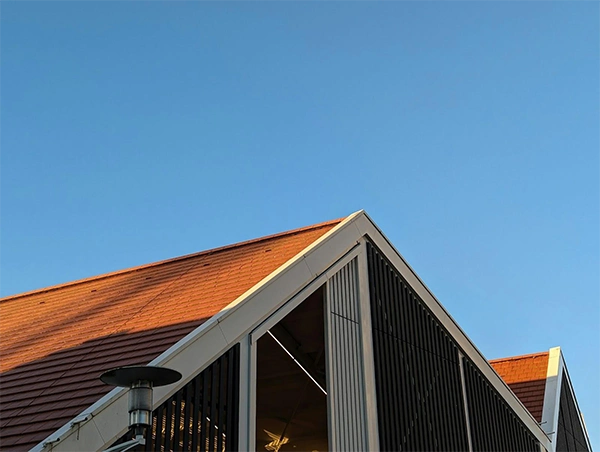
Just like the fact that your car needs cleaning and maintenance to work in an efficient way, your roof also needs maintenance and regular care for its longevity. So, making a routine of roof maintenance is an important step in maximizing the life of the roof.
Whether it is once or twice a year, roof maintenance makes sure that if any minor problem is there, then it will be caught before it turn into a major one. Scheduling routine maintenance by a professional can maximize the overall health of your roof.
It should be remembered that maintaining your roof involves more than scheduling yearly inspections. Fixing small problems is what makes your roof in better condition and extends its lifespan. Nine times out of ten, a major leakage occurs due to a lack of proper maintenance. So it’s better to keep maintaining and repairing your roof when needed.
Wildlife and Pests
Generally, we don’t think much about wildlife and pests when we think about the things that can damage our roof. We think more about the wind, water, and other things falling and hitting the roof.
However, pests and wildlife can cause a significant amount of damage to your roof. Birds and squirrels can nest very easily on your roof, damaging your roofing materials. Wildlife animals such as raccoons are popular for causing roof damage.
It will surprise you that small insects and pests can also damage your roof. Insects like termites are very problematic as they get into your roof systems and damage them completely from the inside.
It is recommended that pest control inspections be added to your overall roof inspections to avoid any kind of risk.
Lifespan of a Roof?
After reading this article, you are now aware of factors that can damage your roof and determine the life of your roof. From now on, you can maintain your roof according to the points mentioned above and can maximize your roof’s lifespan. But some factors are there about which we can’t do anything, such as direction, whether, and more.
The average lifespan of a residential roof is 25 to 30 years. The important fact is to invest in the quality of your roof and maintain it to maximize its lifespan.
Till the time you are hiring a professional contractor, the attic ventilation and the quality of the material used in the roof won’t be a problem. For any issues, it is advised to get an inspection from a roofing contractor only.
How can the quality of the material used in the roof affect its lifespan?
Roofs with low-quality material get damaged easily and have a shorter lifespan. Roofs with high-quality material are made to last many years and come with higher durability and resistance to extreme weather conditions, ensuring longevity. This is why high-quality material roofs are advised by the roofing contractor professionals.
What is the key to a long lifespan of a roof?
Regular maintenance is the key to a longer lifespan of a roof. It is the same as an expensive car needs an oil change and repairs for a longer life.
Which factor is generally overlooked while planning for roof protection?
Damage caused by wildlife and pests is generally overlooked and ignored. However, insects and pests can cause considerable damage to your roof from inside and you will not even realise it utill it becomes a major issue.
What is the average lifespan of a residential roof?
The average lifespan of a residential roof is 25 to 30 years. Although if you take care of the above-mentioned factors, then the lifespan can have a significant increase.
When should you replace the roof?
It should be replaced when it reaches the end of its expected lifespan, typically around 25 years or more, or when it seems to be causing heavy damage to the roof. Other signs are also here, such as growing vegetation, cracks, and finding asphalt shingle granules on the ground and gutters.