


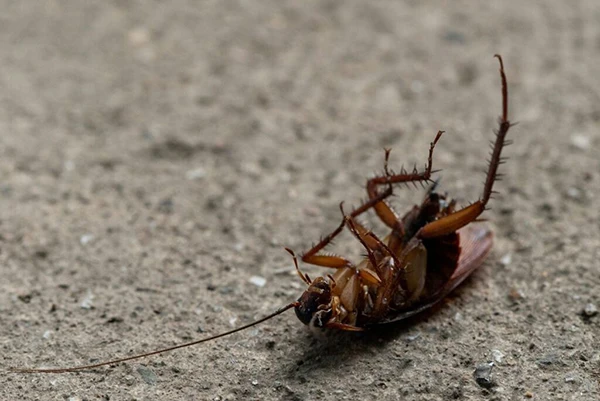
“The first day, one is a guest, the second a burden, and the third a pest.”
– Jean de la Bruyere (Philosopher)
Catching pests on the first day itself requires awareness and alertness around early signs validating their presence. Otherwise, they become permanent guests in your house.
Do you even know whether there are pests in your home? You do start getting some early hints that unwanted guests have settled in your home. Miss or try to ignore some of them, and the situation gets out of hand pretty quickly. Do you know that a pair of German cockroaches can give rise to a colony of 10,000 in just a year? (Source: Penn State Extention)
If you missed or ignored some of the early signs or are in doubt, then you are at the right place. Sequoia Pest Solutions offers professional pest control services. First, they identify the pest type and assess the extent of infestation. Only then do they start their pest control to stop further spread of the infestation.
However, read on, because in this article, I will tell you about some signs that might point to your house being infested with pests. The pest situation can become unmanageable very quickly, causing grave health and property damage.
KEY TAKEAWAYS
- Pests can infest your whole house before you know it.
- Look for signs, such as regular pest sightings, unusual noises, strange odors, unusual pet behaviour, faint marks, droppings, unusual debris, nests, visible structural damage, and sudden health issues
- Pest infestation can lead to health issues like allergies or asthma, foodborne illnesses, and even mental health issues.
- Structural damage to your walls, woodwork, and wires can significantly hit you financially.
Why Pest Problems Escalate Quickly in Residential Spaces
A house is a diverse ecosystem in itself. And with changing weather, it is prone to various pest infestations all year long.
Houses have many structural voids, like spaces between walls, areas around utility lines and pipes, basements, and attics. These provide space for the pests to hide and stay undetected.
Also, easy availability of basic survival needs like food, water, and shelter makes houses a great place for pests to settle.
Their settling even once is a red flag, as the problem escalates quickly. Common pests like rodents, cockroaches, and bed bugs reproduce and multiply pretty quickly.
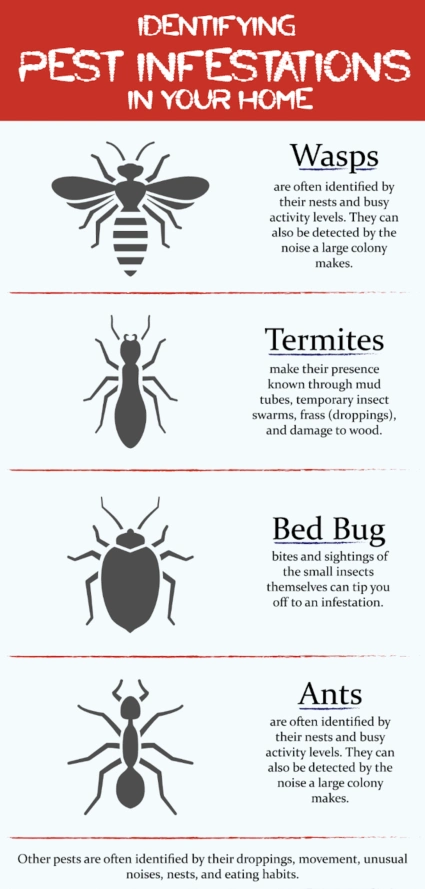
The following infographic introduces you to some of the most common pests that can infest your home:
Early Warning Signs Homeowners Commonly Miss
Of course, you should implement every prevention technique to avoid the intrusion of pests in your home. But how to know whether they have barged in?
One of the most common early warning signs that homeowners generally miss is unusual noises. It’s a sign that some other being is living behind the scenes. These sounds resemble rustling, tapping, scratching, etc., and mostly can be heard at night.
You clean your well-ventilated house, but still, guests complain of strange odors. This is also an early sign that some pest has started co-living with you. If it’s smelling sharp and musky, it might be a rodent, while a damp and oily smell generally means cockroaches.
Along with you, the pests might be pestering your pets as well. If your pet has started itching recently, then bed bugs might have started sleeping in your home.
Pests usually follow the same path for their travels through the day. So if you spotted some new and unusual smears, footprints, or worn paths, a pest has marked your house for its territory.
Allergens from pest droppings, saliva, or shed skin can cause frequent sneezing, skin rashes, breathing difficulties, insect bites, food poisoning, or allergic reactions. For example, cockroaches and dust mites trigger asthma.
Clear Indicators That Professional Pest Control Is Needed Fast
There are many signs that the pest control for your home has beenlong overdue.
If you have started regularly sighting pests running around your house, then it’s a no-brainer that you need professional pest control as soon as possible. Your best bet is to search for the best pest control near me to address the issue immediately.
Finding droppings and unusual debris in your home is also a clear indication of the need for professional pest control. Spotting pellet-like droppings means the presence of rodents, while insects leave tiny stains, dust-like trails, or even shed their skin.
You must act quickly if pests have started visibly damaging your house. Rodents shred insulation and leave bite marks on furniture. Termites and carpenter ants target your woodwork, leaving behind powdery residue.
When they settle in colonies, pests build nests. Rodents usually harbor in attics or basements, in their nests made up of shredded paper, insulation, or cloth. Termites, on the other hand, build mud tubes on walls or foundations. These work as travel tunnels for them.
Health and Property Risks Linked to Untreated Pest Infestations
If you ignore pest infestation in your home, you might face many health complications and property damage as a result.
Common house pests like rodents, cockroaches, and ants carry many diseases with them. It is very important to address the issue of pest infestation promptly. You can also trigger or worsen your allergies or asthma as a result of pest infestation. Pests are also famous for contaminating food supplies with their droppings, urine, or saliva.
For example, cockroaches can contaminate your food with Salmonella and E. coli. Consuming that contaminated food can lead to many foodborne illnesses and other health issues. Not paying enough attention to the early signs of pest infestation can lead to a difficult situation. It can hamper your mental health and lead to stress.
As for property risks, structural damage comes first. Pests can chew your woodwork and even make holes in your walls. Damage to electrical wires can even result in serious fire hazards. All this damage can significantly hit you financially.
Final Thoughts: Acting Early to Protect Your Home
So, now you know how quickly pests can multiply and how pestering that can be. Don’t wait for that to happen, be alert to spot any early signs of their settlement, such as:
- Unusual noises
- Strange odors
- Unusual pet behaviour
- Faint marks
- Sudden health issues
Early detection of pests can save you a significant amount of time and money.
You know that the situation has gotten out of hand, and you need to quickly call for professional pest control services if you find:
- Regular pest sightings
- Droppings and unusual debris
- Visible structural damage
- Nests
When you are sure of pest infestation in your home, promptly call for professional pest control services. They can help turn your home into a safe and healthy environment once again for you and your loved ones.
Professional pest control services have knowledge, experience, and tools to handle even the worst of pest infestations. They perform rigorous inspections, provide you with multiple options for pest treatment, and offer persistent monitoring. This keeps your beloved home pest-free.
Frequently Asked Questions
What are the signs that I need pest control?
Unusual noises, strange odors, droppings, unusual debris, visible structural damage, and nests are some of the most common signs that you need pest control services ASAP.
What is the hardest pest to get rid of?
Termites, bed bugs and cockroaches are some of the hardest pests to get rid of.
How much do professional pest control services cost?
Professional pest control services can cost you $300-550 for one-time service. Ongoing services can cost $40–$70 for monthly visits and $300–$550 for annual visits.