The fastest path to a lower-impact home is to prioritise small, repeatable projects that cut water, energy, and waste while fitting council rules, rental constraints, and local climates.
This guide focuses on sixty to ninety-minute wins you can start today, plus quarterly upgrades with measurable payback in Australian conditions. Each recommendation is grounded in verifiable data or local rules so you can act with confidence.
How to Choose the Right Projects for Your Situation
Starting with your constraints saves wasted effort and keeps you compliant from the outset.
Whether you rent or own, have a balcony or backyard, or face strata by-laws, your first step is a quick ten-minute audit. Check for leaky taps, count halogen globes, look for visible drafts, inspect bare soil, and confirm your council’s bin system.
Prioritise projects with proven savings. LEDs typically cut lighting energy by roughly seventy-five percent with payback under a year. Outdoor water represents roughly twenty-five to fifty percent of household use, so irrigation and mulch changes deliver outsized impact.
Decision Path: Pick Three Actions
- Water-wise: Add seven to ten centimetres of mulch to exposed beds, convert one hose to a battery-timer drip line, or fix one visible leak.
- Waste-smart: Set up a benchtop caddy, choose FOGO (Food Organics and Garden Organics) versus home compost, and standardise what goes in which bin.
- Energy-saving: Swap five to ten most-used bulbs to LEDs, and set thermostats to eighteen to twenty degrees in winter and twenty-four to twenty-six in summer.
Context Filters
- Renter: Choose reversible fixes like adhesive weather seals, door snakes, portable wicking tubs, and plug-in timers.
- Owner: Consider small capital upgrades including insulation top-ups, smart power boards, and permanent dripline under mulch.
- Coastal versus inland: Select heat and wind tolerant plants inland, and consider salt and humidity tolerance near the coast.
Sixty to Ninety Minute Wins You Can Do Today
Short, focused tasks can begin saving water, energy, and waste within hours of finishing them.
Tackle at least one action from each category this weekend so you build momentum instead of postponing bigger projects.
Swap five to ten high-use bulbs to LEDs. They cut lighting energy by roughly seventy-five percent and last five to ten times longer, with typical payback under a year. Label colour temperature by room to avoid mismatches so living areas stay warm-toned and work zones stay cooler and brighter.
Draft-proof main living areas by fitting door seals and stoppers where you can feel or see gaps. Each degree of extra heating or cooling can add roughly five to ten percent to energy use, so reducing drafts lets you stay comfortable at more efficient setpoints.
For food waste, add a benchtop caddy and confirm if your council offers FOGO. NSW (New South Wales) is mandating statewide FOGO by July 2030 for red-lid households, so learning correct inclusions now prevents future hassles. Dispose of CFLs and tubes safely via council recycling points to avoid mercury contamination.
Before you start, assemble a small kit: screwdriver, step ladder, seal tape, and labels. Set a ninety-minute timer and clear one room at a time so you finish tasks rather than scattering half-done jobs.
Garden Quick Wins
Add seven to ten centimetres of organic mulch to exposed beds. Mulch can reduce evaporation losses by up to seventy percent, but keep a few centimetres clear of stems to prevent fungal issues.
Install a battery tap timer with quick-connects to convert hand watering to scheduled drip or soaker irrigation targeting the root zone. Start with shorter, more frequent cycles in hot weather, and adjust once you see how quickly soil dries out.
Water-Wise Garden Fundamentals
Simple changes to mulch and irrigation can slash outdoor water use, which often dominates Australian household consumption.

Outdoor water use frequently represents twenty-five to fifty percent of Australian household consumption, making garden efficiency changes significant for bills. Mulch to seven to ten centimetres using coarse chips for trees and shrubs, medium for perennials, and fine for vegetable beds.
Prefer drip or micro-irrigation under mulch to minimise evaporation and wind drift compared with fixed sprinklers, which may face restrictions during drought. Add pressure regulation at roughly one hundred to two hundred kilopascals and filtration with a one hundred twenty mesh screen to drip systems. Include a flush point and consider rain or soil-moisture sensors for automatic shutoff.
Group beds by water demand so thirsty vegetables sit on one zone and hardy natives on another, which stops you overwatering tough plants. Adjust runtimes for soil type too, since sandy profiles need shorter, more frequent cycles while clay holds moisture for longer gaps.
System Setup and Checks
- Leak test: Run each zone and inspect joiners and hoses, replacing worn O-rings.
- Catch-cup test: Place cups, run for ten to fifteen minutes, and calculate millimetres per hour to set accurate runtimes.
- Seasonal adjustment: Reduce runtimes by roughly twenty to forty percent in cool seasons and use weather forecasts to skip cycles.
Soil Health, Composting and Worm Farms
Healthy soil and on-site composting turn waste into a resource while cutting methane emissions from landfill.

Turning food and garden organics into compost reduces landfill methane, which has a one hundred year global warming potential twenty-eight times that of carbon dioxide. NSW has legislated statewide FOGO by July 2030 for households with red-lid service. Penrith City Council reports roughly forty percent of general waste is food waste and accepts all food scraps, including meat and bones, in FOGO.
Pick the right system: backyard compost for space and mixed inputs, worm farms for small spaces and kitchen scraps, or Bokashi for fermented pre-compost in apartments. Maintain carbon to nitrogen balance using browns like dry leaves and cardboard versus greens like food scraps. Aim for a moist, wrung-out-sponge feel and fix smells by adding browns and aerating.
System Selection Tips
- Compost bins: Best with at least one cubic metre active volume; turn weekly for faster results.
- Worm farms: Avoid heat stress above thirty degrees, feed small frequent amounts, and cover with a breathable mat.
- Bokashi: Drain leachate regularly, and bury fermented matter in soil or add to compost to finish.
Grow Food at Home from Balcony to Backyard
Starting small with resilient crops lets you learn quickly without creating an unmanageable workload.
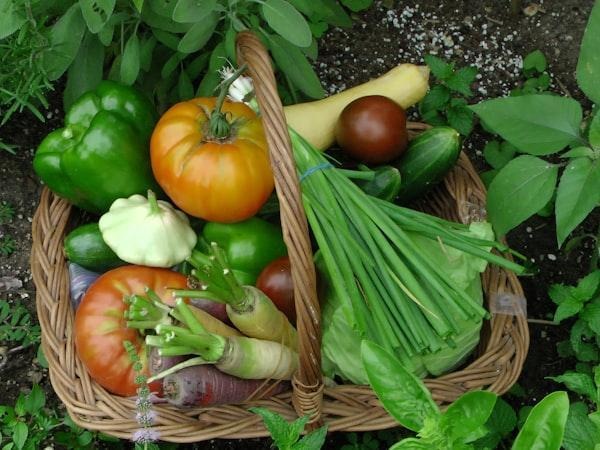
Begin with herbs, salad greens, and compact fruiting varieties so you build momentum and learning without overwhelming effort. Use vertical trellising on balconies, choose compact or dwarf cultivars, and rotate micro-veg cycles for quick harvests.
Use the sunniest patch you have, with six or more hours of direct light for fruiting crops and at least four for leafy greens. In pots, choose quality potting mix rather than garden soil, and add slow-release fertiliser so limited root volume still delivers steady nutrients.
Wicking beds store water in a lined reservoir with an overflow, reducing watering frequency and supporting heat-prone crops like tomatoes and leafy greens during summer. Plan succession by climate band, with inland suburbs needing heat-hardy summer picks and shade cloth on extreme days.
Wicking Bed Essentials
- Depth: Three hundred millimetres of media over a one hundred to one hundred fifty millimetre reservoir using geotextile separation.
- Overflow: Set just below the media layer to prevent waterlogging, and use a vertical fill pipe with a cap.
- Maintenance: Top up water once or twice weekly in summer, flush salts occasionally, and refresh mulch often.
Online Plant Nursery in Australia
Ordering from a reputable online nursery widens your plant choices while still matching species to your climate.
Online ordering is efficient when local nurseries lack seasonal natives or when you need uniform tubestock for verge plantings, hedges, or mass edibles. If your local nursery is out of seasonal natives or you need bulk tubestock for a verge planting or a larger verge or hedging project, order through a specialist like Nursery2U’s service to get region-appropriate species delivered, saving time and ensuring consistent sizes across your verge or garden beds via the online plant nursery in Australia.
Receiving and Establishing Plants
- Unbox immediately, hydrate, and harden off for a few days out of direct harsh sun.
- Plan a planting day with mulch, soil amendments, and irrigation ready.
- Pre-soak holes, plant at soil level, water with a seaweed and wetting agent blend, and mulch to seven to ten centimetres.
Energy-Smart Comfort Upgrades
Tuning comfort settings and passive measures trims heating and cooling costs without sacrificing liveability.
Temperature settings have outsized impact, with each one degree change shifting heating or cooling energy by roughly five to ten percent. Aim for eighteen to twenty degrees in winter and twenty-four to twenty-six in summer, using ceiling or pedestal fans to raise comfort at higher summer setpoints.
Passive measures include adding external shade like awnings or shade sails, closing curtains on hot days, sealing drafts around doors and windows, and cleaning heating, ventilation, and air conditioning (HVAC) filters regularly. For quarterly upgrades, add smart power boards for entertainment gear and top up ceiling insulation where accessible.
Affordable Skip Bins Penrith
Using a local skip for bulky waste can save time, fuel, and compliance headaches compared with repeated tip runs.

A local skip can beat DIY tip runs when handling mixed green waste and light renovation debris over a weekend project. Choose the right size from common domestic skips ranging from two to ten cubic metres, stay aware of weight limits, and load evenly for transport safety.
What Can and Cannot Go in a General Skip
- Acceptable: Non-hazardous renovation debris like timber offcuts, plasterboard, tiles in moderation, furniture, and clean green waste.
- Keep out: Asbestos, paints, solvents, pesticides, acids, alkalis, gas bottles, batteries, and food waste per NSW EPA rules.
- Alternatives: Asbestos to licensed facilities, chemicals to Household Chemical CleanOut events, and batteries and e-waste to council drop-offs.
After checking what can and can’t go in a general skip bin, and separating out hazardous items like chemicals or asbestos, think about how you’ll stage bulky waste over the weekend. Working on a weekend garden makeover or post-renovation tidy-up in Western Sydney? Book a local provider like 7 Skip Bins via affordable skip bins Penrith to consolidate green waste and mixed renovation debris in one compliant pickup, cutting tip runs and avoiding contamination fines.
How to Book and Stage a Weekend Clean-Up
- Measure your waste pile and choose a bin size; confirm driveway width and clearances.
- Schedule delivery for morning of day one, and place plywood under skids to protect surfaces.
- Load heavier items first, spread weight evenly, and arrange pickup for end of day two.
Budgets and ROI for Common Projects
Small upgrades pay back quickly when you prioritise items with clear, measurable savings.
Even small adjustments like these can noticeably cut combined quarterly utility bills.
LED swaps using bulbs at five to fifteen dollars each can save roughly eighty to one hundred fifty dollars yearly depending on tariffs, delivering payback under a year. A basic drip kit plus battery timer often costs under a few hundred dollars, and with average water at roughly three dollars seventy-one cents per kilolitre, cutting outdoor use by twenty percent yields tangible savings.
Plan spending in tiers. For under one hundred dollars, buy a caddy with liners, draft snakes, and a few LEDs. Next quarter at one hundred to four hundred dollars, invest in a battery timer with drip kit, bulk mulch, and a worm farm. Save up over four hundred dollars for insulation top-ups, shade sails, or permanent drip zones.
Safety, Approvals and Compliance
Checking rules and safety requirements before you start prevents fines, injuries, and expensive rework.
Aligning with NSW rules prevents fines, health risks, and costly rework on sustainable projects. Untreated greywater, such as water from showers and basins, should be used immediately; storage beyond twenty-four hours requires treatment. Single-household greywater treatment systems need local council approval and NSW Health accreditation.
Asbestos is illegal to place in kerbside bins or uncovered skips; it must be packaged and disposed at licensed facilities. Hazardous liquids including paints, pesticides, acids, gas bottles, and batteries must go to NSW Household Chemical CleanOut events. For FOGO, remove produce stickers and keep plastic bags out unless council-approved liners are specified.
Before drilling, digging, or adding loads to existing structures, check for underground services and structural limits through tools such as Dial Before You Dig and your building plans. For electrical work beyond simple plug-in devices, use a licensed electrician rather than DIY to avoid safety and insurance problems.
Once safety checks and council approvals are sorted, you can focus on the fun parts of sustainable projects. The next step is choosing plants that will thrive long term in your conditions without wasting water, fertiliser, or extra maintenance effort.
Conclusion and Next Steps
Consistent, modest projects compound into a noticeably more efficient, resilient home and garden.
Pick one action in each category now: mulch or drip for water, FOGO caddy or compost for waste, LEDs or thermostat adjustment for energy. If tackling a Western Sydney yard clean-up, plan waste streams early and line up plants for autumn planting.
Track success over ninety days by comparing water bills before and after, noting bin fullness changes, and checking smart meter data to quantify energy savings. Small, consistent actions compound into measurable results across bills, garden health, and environmental impact.