A house that meets the needs of the elderly appears serene, light, and comfortable to live in every day. You see well-defined walkways, consistent lighting, and commonplace objects kept within easy reach.
Safety and style coexist harmoniously without drawing undue attention to themselves. The outcome is a room that embraces family and maintains routines. Support can also come from smart services that work quietly in the background to reduce stress.
Tools like Life Assure pair discreet devices with trained monitoring, which helps many seniors feel secure. Together with well-considered design decisions, this support enables people to maintain their favorite routines. The following list of five methods allows you to customize areas while maintaining safety and comfort.
Let’s begin!
Key Takeaways
- Understanding the various uses of light
- Decoding the use of daily storage solutions
- Uncovering the protection of softer edges and keeping shapes intact
- Exploring outdoor experiences for ease
Use Light to Guide, Calm, and Reduce Strain
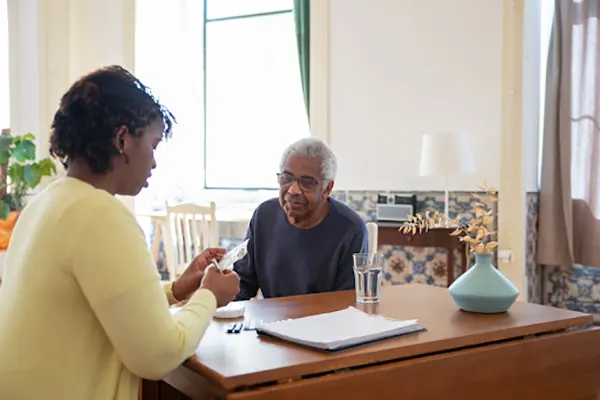
Consistent lighting reduces glare, softens shadows, and helps with contrast at doorways, stairs, and flooring changes. Add task lights in kitchens and place lamps where people read, sew, and pay their bills. Keep your workspaces neutral and your rest areas warm. Install dimmers to adjust the brightness in the evening without causing undue eye strain.
Add night lights along halls, bathrooms, and near bedside paths to reduce missteps, slips, and confusion. Position motion sensors at entries that feel dark during winter months or on cloudy days. Keep switches large and simple, and mount them at a height that does not require bending. Choose bulbs with clear labeling so replacements are easy to buy and track.
For fall-prevention basics, the Public Health Agency of Canada offers accessible guidance on home safety for older adults. Their summaries outline hazards and practical steps that align with the improvements described here.
Make Daily Storage Comfortable and Predictable
Place everyday items between shoulder and waist height to avoid bending, reaching, and awkward twisting during chores. Add pull out drawers in lower cabinets so contents slide forward without strain or overreaching. Use clear bins with bold labels for medications, pantry items, and hobby supplies. Keep backups of essentials in the same labeled spot to avoid confusion and duplication.
Entry areas benefit from a small bench and two sturdy hooks for coats and bags near the door. A shallow tray keeps keys in one place so departures stay simple and quick every morning. In kitchens, a turntable can make spices and small jars easy to reach and return. In bathrooms, select shallow shelves that do not crowd walking space or snag sleeves or towels.
To keep routines predictable, group items by task and store them together to reduce searching. Place a weekly pill organizer beside a refill notepad and pen for easy updates. Clip a simple checklist inside the cabinet door for refills, filter dates, and batteries. Predictability reduces guesswork and keeps days running on time with fewer interruptions.
Interesting Facts
The home improvement market includes both the professional and consumer sectors. The professional market is projected to grow by 2.7% in 2026, while the consumer market is expected to grow by 3.9%, according to the Home Improvement Research Institute.
Soften Edges, Add Support, and Keep Style Intact
Good support can look like regular home decor rather than clinical equipment or visible hardware. Choose grab bars with finishes that match faucets, door hardware, and towel rings for visual harmony. A rounded edge counter, a soft rug pad, and a sturdy shower stool help with comfort. Mix safety and style so guests notice good design first, not visible equipment.
Focus on places where slips or bumps happen most often in regular routines. That usually means showers, tub edges, stair rails, and transitions between flooring types in doorways. If a hallway turns sharply, add a corner guard that matches the wall color for protection. Low-profile transitions should be added where floors meet to allow walkers and canes to roll freely without catching.
A short planning list keeps upgrades clear, practical, and easy to sequence without overthinking choices:
- List the three tasks that feel awkward or tiring every day in typical routines.
- Note where those tasks happen, and measure clearances around furniture and fixtures.
- Match one upgrade to each task, then test small changes first before larger updates.
Add Smart Alerts that Respect Privacy and Routine
Technology should support habits rather than rewrite them from scratch or add complexity. Start with devices that provide clear benefits without constant settings changes or frequent charging. Place a voice assistant on a stable shelf for weather, timers, and quick phone calls. Keep charging bases in one location so devices are easy to find each morning after breakfast.
Medical alert systems add a quiet layer of confidence at home and outside during errands. Services from providers use two way voice along with optional fall detection. GPS helps responders find someone quickly if needed, while the home layout stays unchanged. Wearable buttons and small base units blend in and do not distract from the room’s look.
When adding any smart device, label cables and keep a simple instruction card nearby for reference. Use a calendar reminder to test each device monthly on the same recurring date. Store spare batteries with a dated sticker so you know when to replace them quickly. Small habits keep helpful tools ready without extra fuss or stress.
Shape Paths, Seating, and Outdoor Spots for Ease
Start with clear walking paths that allow steady, natural steps during regular movement between rooms. Aim for three feet of open width where possible, and keep corners uncluttered for smooth turns. Arrange seating so standing up requires little twisting or effort from knees and hips. Select seats with firm arms and seats to ensure a wobble-free, smooth rise.
Outdoors, create one inviting spot that catches soft morning or afternoon light for relaxation. A raised planter bed brings flowers and herbs within easy reach without kneeling on hard surfaces. Swap one heavy hose for a lightweight version and a simple reel to reduce effort. Add a small table for tea, pruning shears, and seed packets, and keep it under cover.
For broader home-safety ideas, the National Institute on Aging maintains an easy checklist that is helpful. It addresses lighting, cords, railings, and safe storage ideas that pair with the steps listed here. Their resources fit many home types and are written in plain language that is straightforward. You can review their guidance on nia.nih.gov as a useful planning companion.
Bringing it All Together at Home
Small choices stack into a home that supports independence without sacrificing personal style or comfort. Balance steady lighting, predictable storage, discreet support, and smart alerts that fit daily habits. Keep clear paths and comfortable seating indoors, then add one simple outdoor spot for calm. Routines feel more effortless with these improvements, and the house reflects the people’s happy lives.
Frequently Asked Questions
What is the most in-demand home improvement?
According to the latest trend in the lifestyle sector, the Popular indoor renovations include remodeling a kitchen, bathroom, or basement, as well as adding a primary suite.
Which home improvement has the highest ROI?
Bathroom redesign and renovations bring the highest ROI in the real-estate segment and carry the potential to provide up to 80% percent returns.
What is the 3-5-7 rule in interior design?
It is a basic interior design guideline that says decor items look better when grouped in odd numbers.