Are you up for designing an office, retail store, hotel, or restaurant? Collaborating with professional commercial interior designers can be both exciting and overwhelming. These experts specialize in transforming a vision into an aesthetic and pleasing space and aligning the designs with your objectives and expectations.
Here’s a step-by-step guide, to ensure a successful collaboration.
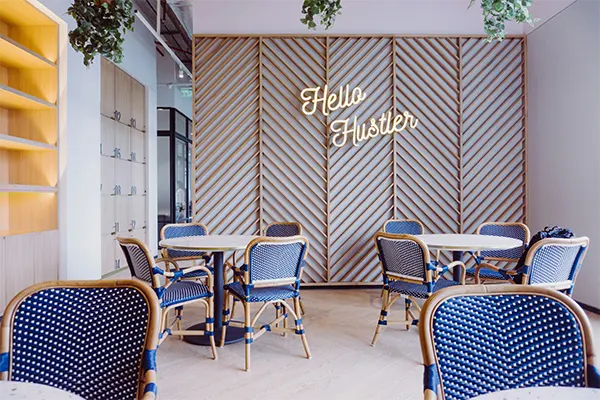
Step 1: Define Your Goals And Budget
The journey begins with brainstorming about what you want to achieve, whether accomplishing business needs, motivating employees’ efficiency, client impressions, or just renovating the space. Before approaching a commercial interior planner, you should have clarity of ideas, vision, mood boards, and design inspirations that match your goals and expectations.
Establishing a real-time budget and timeline is the foundation of the entire project.
Step 2: Research And Select The Right Planner
Prioritizing interior planners, with potential track records and expertise that is relevant to your industry and vision is a crucial step. Before finalizing your planner, you should evaluate their portfolios, client reviews, and cross-check the credentials and certifications to ensure that the planner is suited to your needs and expectations.
Step 3: Schedule An Initial Consultation
The next step after selecting your interior planner, you schedule a face-to-face meeting in person to share the visions and expectations. Ensure you and your planner are on the same page, by discussing the goals, timeline, budget, and scope with them and also learning about their work process and communication style. This interchange of thoughts is very crucial for the successful implementation of your project in a similar direction.
Step 4: Develop A Design Brief
In this step, the team begins to design the briefs and concepts. You should work closely with the planner to ensure it aligns with your vision. Capturing essential information like layouts, measurements, themes, color palettes, materials required, logos, and other branding elements acts as blueprints throughout the project.
H2 – Step 5: Approve The Concept Design
Based on the brief, the planner develops a concept design that involves the proposal for color and material selection, layouts, and mood boards. During this stage, when the design becomes substantial, you need to provide feedback and suggestions to match the same wavelength of the design with your vision.
Step 6: Finalize The Design
The planner comes up with a conclusive and final proposal after incorporating your feedback and suggestions into the concept. This step includes 3D visualizations that showcase the design in detail, followed by choosing finishes, furniture, fixtures, and decor.
This stage also includes a detailed step-by-step guide on the procedures for construction and installation. Ensure to review all the elements carefully before signaling a green flag to the project.
Step 7: Oversee Implementation
The project gradually shifts to the construction phase in this step. The planner is constantly in coordination with the designers, contractors, and suppliers to transform the concept into reality. You should ensure to stay regularly updated and informed about the project through site visits and progress reports. Besides, you should also trust the planner to solve any unforeseen challenges and concerns for smooth progress.
Step 8: Evaluate The Completed Space
Once your space has taken the shape of the planned design, you should take a final run-through to ensure everything is in sync with the approved design. Any noticeable changes and touch-ups should be noted and discussed with the planner before concluding the project.
Step 9: Gather Feedback
When the space becomes functional, the next step involves collecting feedback and reviews from the staff, customers, clients, and people around you. The suggestions should be forwarded to the planner, who can use them in their future projects and assignments.

Final Thoughts
An experienced and qualified commercial interior planner can transform your vision into a functional and captivating reality. A well-designed space not only enhances efficiency but also amplifies your brand value and identity. Along with a trusted design panel, an understanding of the entire process and communication is crucial for a successful journey from concept to completion.