‘A few small and strategic changes can transform how your home feels and functions and that too without the cost or chaos of full renovation’. Consider your home as your favourite pair of shoes – you don’t need to buy a new one to feel better, just a polish and supportive insoles can make you feel brand new.
Big renovations just look good on social media, but in real life, what truly brings comfort is the small fixes you interact with in daily life. Such as sneaking cold air at night, the stuck door and the first light that you switch on in the morning.
Below you will find 10 practical and easy to execute upgrades that improve function, flow and contribute to the room’s purpose – and a few easy ways to balance cost, effort and long term benefits.
How Minor Upgrades Can Improve Comfort, Function, and Flow
Minor upgrades improve a home not by changing how it looks, but by transforming how it works.
Enhanced comfort begins to get noticed when temperatures stay consistent, lighting feels natural and fixtures turn out the way you expect. Function improves when space is neatly organized and hardware works smoothly. And flow forms when rooms tune with every movement instead of interrupting them.
A loose cabinet handle or an ineffective placement of light doesn’t feel like a triggering issue on its own. But when these small problems pile up, the home starts to feel inefficient and clumsy – similar to using a smartphone with a broken screen. It still works, annoys you every time you notice it.
Thoughtful Home Fixes That Make a Meaningful Impact
Most homeowners live with small inconveniences for years – not because they’re expensive, but because they are easy to ignore. These ignored details quietly reshape how comfortable a home actually feels –
Fixing Lighting Issues
Lighting affects mood, productivity and even sleep. Ineffective lighting makes a room look smaller and heavier to be in.
A quick fix is to replace existing lighting with layered lights that suit your every need – ambient lighting for general use, task lighting for work related tasks and softer accent lighting for evenings. For instance, integrating under cabinet lights in a kitchen makes cooking easier by reducing eye strain.
Updating Switches and Outlets
Old switches and outlets are usually ignored, even after being the most touched parts of a home. Worn switches, outlets that don’t grip well and placements cause daily inconvenience.
Upgrade to modern switches and USB outlets improves usability instantly. A considerable example – installing a USB near the bed and sofas reduces the need for bulky adapters and provides much convenience.
Sealing Drafts
Drafts reduce comfort quietly. You might not have noticed it, but you feel them when rooms refuse to stay warm or cool.
Simply seal the gaps around doors and windows – the temperature stabilizes immediately. The U.S. Environmental Protection Agencyclaimed that homeowners can save upto 20% on heating and cooling costs just by sealing air leaks.
Improving Door Hardware
Opening and closing of the door should be resistance free rather than noisy. When hinges create noise or handles wobble, it adds friction to daily movements.
Replacing hardware or simply fixing the hinges is the most convenient and cost effective solution. It’s the same as oiling a bicycle chain — once fixed, things run smoother even when nothing seems different.
Organizing Entryways
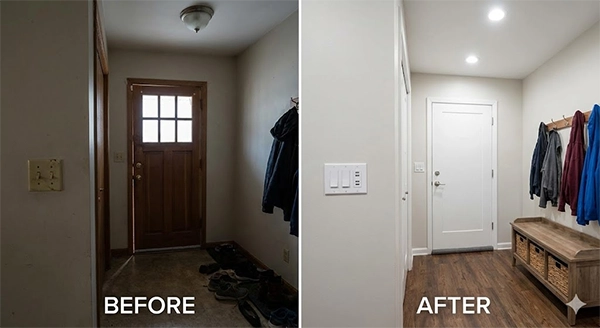
The entryways provide a tone to your entire home. A messy entrance creates stress even before you step inside your home. Simple integrations such as hooks, a bench with storage or a slim shoes cabinet create order instantly.
Refreshing Wall Paint
Paint is one of the most budget friendly ways to change how your space feels to you. Light, simple and neutral colours make rooms feel wide and open, while warm tones add a great sense of comfort. Above this, fresh paint also hides wear and tear – making everything look clearer.
Upgrading Cabinet Hardware
Changing cabinet knobs or pulls is a quick way to modernise kitchens and bathrooms without remodelling. It’s a visual and tactile upgrade.
For instance, swapping small and outdated knobs with larger ones improves both the appearance and ease of use.
Improving Storage Solutions
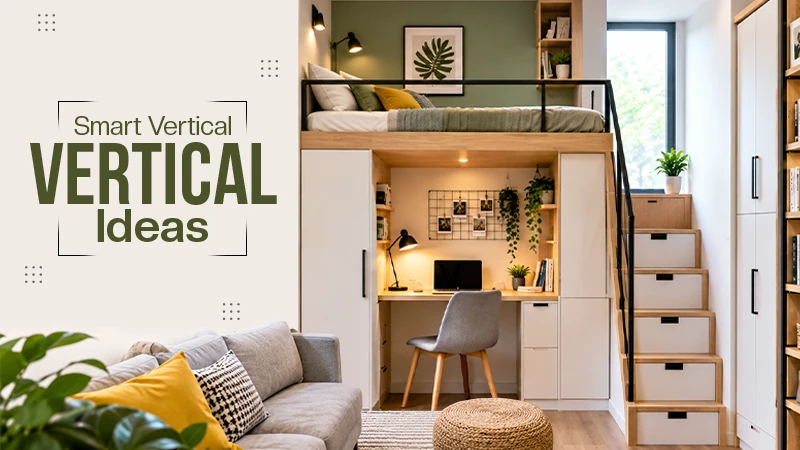
A common misconception about storage is that adding more cabinets will improve storage. But in reality, better storage is about using the available space wisely. Vertical shelving, pull out drawers and under bed storage help to reduce clutter without reducing living space.
A common example is integrating pull out organizers inside kitchen cabinets. Instead of messing with stacked items, everything becomes visible and accessible, saving time every day.
Enhancing Bathroom Fixtures
Bathrooms are used multiple times daily, so turning small upgrades feels big and fast. Replacing showerheads, faucets or towel bars improves both comfort and efficiency.
For instance, a water efficient showerhead can improve water pressure while reducing usage. The EPA notesthat Watersense fixtures can reduce water use by 20% or more.
Maintaining Windows and Screens
Windows influence airflow, light and insulation. Damaged screens invite insects, while worn seals allow air to escape. Repairing screens and replacing windows improves ventilation and prevents long term damage.
Balancing Cost, Effort, and Long-Term Benefits
Not every fix needs to be done at once. The smartest approach creates a balance of affordability, effort and long term effort. Begin with fixes that most affect your daily comfort and come under your budget.
DIY solutions also work well for simple upgrades like sealing drafts or replacing any hardware. More complex tasks, such as electrical work and painting, are best handled by professionals. It also has security concerns.
Contrarily, owners who feel like it’s a waste putting money and effort into their house – can conveniently sell their home fast at New England Home Buyers.
Conclusion: Making Home Improvements That Support Daily Living
A well functioning home doesn’t ask for attention – it quietly eases the daily life. Thoughtful fixes focus less on appearance and more on experience.
When lighting feels welcoming, doors move smoothly and spaces are comfortable – your home starts working with you instead of against you. These small changes don’t just improve rooms – they improve routines, moods and how home feels every single day.
What are thoughtful home fixes?
They are small and practical upgrades that improve the comfort of your home without investing a lot.
Which home fix should I prioritize?
Start with the fix that you think will smooth your home’s functioning the most effectively and in the most budget friendly way.
Can I do these home fixes by myself?
Yes, simple tasks like sealing drafts or changing hardware can be done by yourself. But electrical and other fixes need expertise.