“Your home should be the antidote to the world, not a source of more stress.”
Have you ever felt an instant physical wave of relief as soon as you walked through the front door of your home? This is the power of a well-tuned home! However, comfort is a fickle thing; it is more than just a plush sofa or a high-thread-count rug. It is the invisible synergy between serenity and safety.
When you know your sanctuary is protected and your environment is optimized, your brain gives a green signal to your body to feel relaxed. The most comfortable homes are the ones where you do not have to worry about the mechanics of living. Let’s see how you can transform your house into your fortress of comfort.
What Makes a Home Feel Truly Safe and Comfortable
A home feels safe when it acts as a silent guardian; it isn’t just about the alarm systems or deadbolts, it’s more about the sensory peace of mind. It is the knowledge that the air you are breathing is crisp and clean.
True comfort is both physical and psychological. You cannot feel comfortable in a place where you constantly need to worry about a faulty wire or a slippery staircase. Safety is the foundation, and comfort is the structure on which this foundation is built.
When these two elements combine, your home doesn’t just remain a place to sleep, but it becomes a restorative space for you where you find peace and comfort.
Everyday Factors That Disrupt Home Comfort and Security
Minor disturbances in the environment, such as a room being a little too hot or a light flickering, are considered to be ‘micro-stressors’ that are responsible for slowly depleting your well-being. These little problems, together with disregarded house maintenance such as slow draining or loose latching, keep your body in a subtle state of fight or flight at all times.
If you overlook these flaws in your home’s defense, as well as other irritants such as humidity and noise, you are unintentionally giving up your peace of mind and comfort that the place offers you.
Did You Know?
The ideal sleeping temperature for most of the adults is between 60- 67 degrees Fahrenheit.
Core Elements That Support a Comfortable Home Environment
To master your domain, you need to pay attention to the invisible forces at play. Your home is essentially a living organism that needs to breathe and regulate the temperature of the body.
Indoor Air Quality
We spend almost 90% of our time indoors, yet we rarely think about what we are inhaling. Dust miles, pet dander, and volatile organic compounds (VOCs) from the furniture can make your home feel stuffy. It is recommended that you incorporate air-purifying plants or high-quality HEPA filters, as clean air is the ultimate luxury; it improves sleep and also boosts your mental clarity.
Temperature Control
Thermal control is very personal. What feels like a cozy nest to you might feel like a sauna to someone else. You can invest in a smart thermostat, which could turn out to be one of the best moves that you can make. It allows your home to learn your patterns, making sure that it’s warm when you wake up and cool when you slide under the covers.
Proper Ventilation
A house that doesn’t have proper ventilation usually becomes a home for mold and stagnant energy. Getting exhaust fans installed in your kitchen and bathroom is highly effective and is also a requirement that cannot be overlooked.
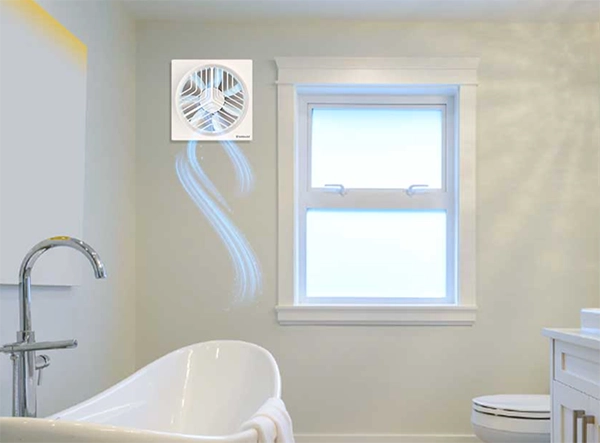
Moreover, your home needs a strong defense against environmental elements such as moisture and extreme wind. Proper sealing of the windows and doors helps you to keep the outside world from polluting and disturbing the environment you have curated in your home, which, in exchange, keeps your comfort level high.
Safety Measures That Protect People and Property
Now, let’s shift our focus to the ‘shield’. You can have the most beautiful interior design in the world; however, if the infrastructure is failing, the beauty is hollow.
Fire Safety
This is the cornerstone of home security. Having smoke detectors is not just enough; you need to ensure that they are interconnected. If one goes off in the basement, the one in your bedroom will alert you. Keeping a fire blanket in the kitchen is also recommended; it’s often more effective and less messy than a transitional extinguisher for small grease fires.
Electrical Precautions
You should avoid daisy-chaining power strips, as overloaded circuits are a major hazard. In older homes, you should get a professional audit your electrical panel and address leaks near outlets right away. For expert help, you can seek residential plumbing repairs and installs in Baltimore to make sure that your infrastructure meets modern safety codes.
Fun Fact: NASA has conducted a ‘Clean Air Study’ which proves that common houseplants such as Peace Lily and Snake Plant can actually neutralize toxic gases in your home.
Slip-and-Fall Prevention
Slipping and falling at home is one of the most common ways people get hurt at home. Using stylish, non-slip rugs and ensuring that staircases are brilliantly lit with LED motion sensors can be a good preventive measure. You can also keep high-traffic zones free of clutter to keep yourself and your family safe.
Building Proper Habits for a Safer, Comfortable Home
The best systems in the world won’t help if you do not have the habits to back them up. A ‘Sunday Reset’ is highly recommended for your home. Spend 20 minutes checking the locks, testing a few faucets, and clearing the dryer lint trap.
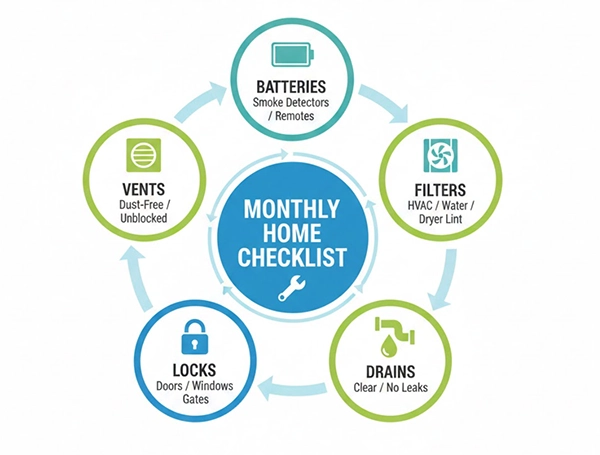
You can also try creating a culture of safety within your family and make sure that everyone knows where the main water shut-off valve is and has a designated ‘meeting spot’ outside in case of emergencies. When safety becomes a habit, it shifts from being a chore to being a lifestyle.
Is a smart home security system worth the investment?
Yes, it is not only ideal for theft protection, but for the ‘environmental’ sensors as well that can alert you in times of flood or fire while you are away.
Why does my house feel damp even when it is not raining?
This can happen because of poor ventilation or a hidden plumbing leak. You can get a humidity monitor to check if the level is above 50%.
How often should an HVAC filter be changed?
Generally, HVAC filters should be changed every 90 days, but if you have any allergies or a pet at home, you should consider changing them every 30 to 60 days for better air quality.