“Remember to breathe. It is after all, the secret of life.”
― Gregory Maguire, Novelist
However, what if it turns into a reason for death? And that too, where you get to be most relaxed and breathe easy: Your Own Home!
As per UNEP, indoor air pollution results in about 4 million deaths every year.
As discussions around outdoor air pollution grow among people, they turn to their homes, considering them safe havens. However, that’s getting more difficult due to indoor air pollution. Indoor air pollution can be 2-100x worse than outdoor air pollution (Source: EPA).
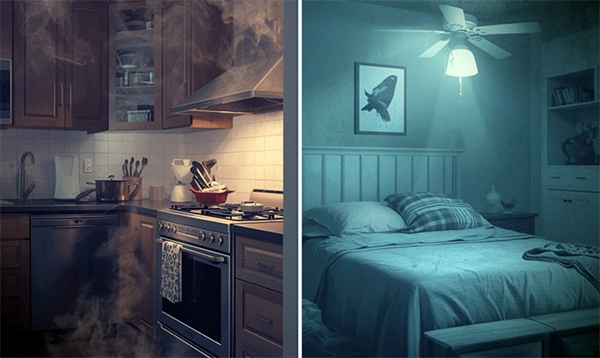
With peak winters, air pollution is expected to rise further. In winter, people shut the windows and activate the heating systems. This might make the home warm and cozy, but it also traps pollutants, allergens, and airborne particles inside. The problem with winters is that to escape the chill, you run indoors only and stay there most of the time.
In this article, I will inform you about the factors and pollutants responsible for indoor air pollution. You will also get to know about the most effective and affordable methods to improve the air quality of your home.
So, let’s get started.
Key Takeaways
- People spend most of their time indoors, more so in winter.
- Indoor air is 2-100x more polluted than outdoor air.
- Poor ventilation, moisture, chemicals, and allergens are the most common factors that lead to bad indoor air quality.
- Regular filter change, proper ventilation, moisture control, and opting for low-VOC materials can greatly reduce IAQ in your home.
- You can improve your IAQ on budget by focusing on source control, AI-driven HVAC management tools, and continuous IAQ monitoring using a wireless system with a modular sensor.
Why Poor Indoor Air Quality (IAQ) is a Growing Concern?
Most of us spend the majority of our time indoors. Unfortunately, indoor air can be 2x to even up to 100x more polluted than outdoor air (Source: American Lung Association). You can gauge the significant adverse effect of indoor air pollution, considering it causes approximately 3-4 million deaths annually worldwide.
Medical practitioners say that inhaling anything other than air affects your lungs. Everyone is affected by indoor air pollution, but children, the elderly, and individuals with cardiovascular or respiratory diseases are at greater risk.
Air pollutants in our homes, businesses, and schools can trigger or worsen symptoms such as coughing, wheezing, and shortness of breath. WHO says that pollutants such as particulate matter (PM2.5), carbon monoxide (CO), and nitrogen dioxide (NO2) have been linked to serious long-term health problems like cardiovascular and lung diseases.
The following infographic will inform you about the most basic facts around indoor air pollution and IAQ: