

– Thomas O’Brien (Interior Designer)
Your home, being your canvas, should have your favorite colors. But there are so many shades to choose from, you are bound to get confused.
Thankfully, there is a shorter list of colors, choosing from which can get you accolades from your neighbours. Social validation meets personal choice. Perfect!
These tones are the trending paint shades of the year.
In this article, I will inform you about the top tints that are trending in 2026 to paint your home with. Also, learn how to test paint on walls without actually applying it.
KEY TAKEAWAYS
- Designers come up with trending tints every year.
- Top paint colors trending in 2026 are themed around comfort and nature.
- You should choose different tones based on your room and the lighting in it.
- Test out how the color would look with peel-and-stick swatches or virtual painters.
How Wall Colors Are Shaping the Feel of Modern Homes in 2026
If you really think, a home is nothing but a composition of walls.
Being a fundamental part of a home, the look and aesthetics that walls exude command significant importance.
Paint color is a major element in deciding the character of home walls. The tint greatly influences the mood of the people living in the house and, in turn, their comfort level.
Repainting the walls with new colors can infuse a completely new vibe into your home.
Design experts come up with trending shades every year. This year’s painting tone theme seems to be nature-inspired, comforting hues. For example, Benjamin Moore’s Color of the Year, Silhouette.
If you are also considering painting your home this year, you should keep up with the trending tints and choose the one you like.
FUN FACT
The origins of paint can be traced all the way back to 40,000 years (Source).
Paint Trends Defining Homes in 2026
Let’s take a look at paint colors that are trending in 2026.
Warm Neutrals
Warm tones carry their momentum in 2026. They make the space feel calm, cozy, layered, and lived-in. They are also versatile enough to complement any palette.
Earth-Inspired Greens
Earth-Inspired Greens introduce grounding and natural elements in your home. These colors are emerging from biophilic design principles. Biophilic design principles focus on connection and harmony with nature.
Soft Clay Tones
Soft Clay Tones are defining home interiors this year. They bring their iconic grounding, warmth, and earthiness to the living spaces. These shades comfort you emotionally.
These tones transform the look and feel of your home in such a way that you will feel the freshness of the outdoors sitting in your house.
Bold and Expressive Colors Gaining Popularity
Bold and expressive tones are gaining attention among people in 2026.
Deep Blues
Deep blues make your interiors sophisticated and expressive. They bring a sense of depth, moodiness, and elegance to your living spaces. This versatile tone is perfect for a home office, bedroom, or even your music room. Pairing well with warm hues, this color acts as a deep, grounding base.
Muted Terracotta
Muted terracottas are defining tone trends in home design in 2026. Perfect for your interiors, they bring an organic and grounding feel. This versatile shade can be used in your main color palette or even on accent walls. Pair it with other earthy and natural tones.
Charcoal Accents
Charcoal accents give a sense of moodiness to your living space. They come in bold and rich tones. Combine these with clean, neutral colors to create a classic palette. These versatile tones add a modern and sophisticated touch while adapting to any kind of lighting.
Choosing Paint Colors Based on Natural Light and Room Function
Specific shades and tones look good on different room types and the lighting they have. The following table will help you choose the best tints based on the type of room you are considering to repaint and the lighting that room has.
| Color | Room | Lighting |
| Warm Neutrals | Living room | Soft, diffused natural light |
| Earth-Inspired Greens | Home office | Bright, direct light |
| Soft Clay Tones | Bedroom | Warm, indirect light |
| Deep Blues | Dining room | Strong, direct light |
| Muted Terracotta | Kitchen | Bright, direct light |
| Charcoal Accents | Living room | Strong, direct light |
How to Test and Apply New Paint Colors Without Overcommitting
Testing a new paint shade without actually applying on the entire wall ensures that the final result aligns with expectations.
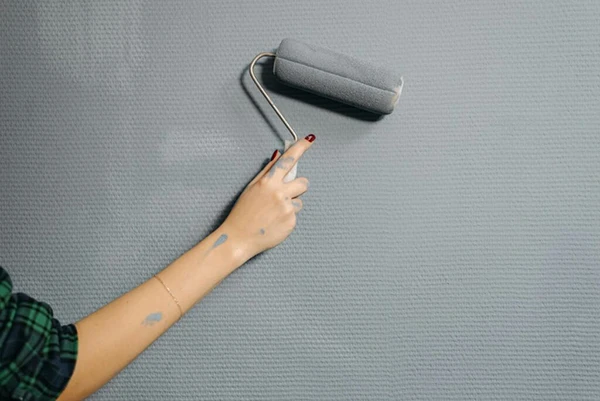
You can go for peel-and-stick sample swatches or coat on foam boards. This can help you decide how a color looks on your wall.
There are also digital paint visualizers. Just upload the photo of your room and coat it with your desired shades virtually.
Once you decide upon a color, just give a call to Soho Painters, the best professional residential and commercial painters in NYC.
Final Thoughts
Choosing a wall tone becomes a hassle when we are spoilt for options. The easier method is to choose from the trending colors.
The trending paint tones of 2026 are themed around comfort and nature, so choose from one of them.
Wall color trends change every year. Thankfully, this change is gradual and slow. So, you are set for some years.
FAQ
What paint colors are popular and trending in 2026?
Comforting and nature-inspired tones are trending in 2026.
What are interior design color trends in 2026?
Green, clay, blue, and terracotta are some of the top hues for your interiors in 2026.
What are the living room paint colors in 2026?
For your living rooms, you should consider warm neutrals and pair them with charcoal accents in 2026.