Walking down a tree-lined street in a quiet town, I’ve often noticed how a single well-dressed house can brighten the entire block. A home’s exterior is truly a contribution to the neighbourhood’s charm. Over the decades, an increasing number of buyers have been looking for homes that are in shape and ready to move in.
Every gallon of paint and every shrubby plant can be an investment opportunity with high dividends to homeowners. Believe me, enhancing your home’s facade does not require a massive renovation budget.
Not sure about it? Join me to explore some amazing and creative ways that can improve the exterior of your home. So, the very next moment after finishing this guide, you can create a beautiful oasis in a home in a small town that can make it the talk of the town!
KEY TAKEAWAYS
- A minor upgrade can generate substantial ROI and enhance the Appeal to resale upon completion.
- 2026 shifts to a more “natural style” of hardscaping and drought-resistant, indigenous plants by five years in the future.
- Warm, “dark sky” compliant fixtures create dramatic effects on the architecture of any home without detracting from the overall tranquil character of the neighbourhood.
Why Curb Appeal Matters in Small-Town Neighborhoods
What could a curve appeal offer to you? Neighbours passing by will be surprised to observe the details if you put effort into the home exterior.
In a small town, it impacts these ways:
- When one home is maintained well, other homes in the locality also lift the value and aesthetics in the entire community.
- Psychologically, it sets a positive mood and joy of coming back to the house that already looks inviting.
- With buyers seeking move-in ready properties, a polished exterior indicates that the interior is likely to be as well cared for as well.
- Good lighting and clear walkways deter intruders and prevent accidental falls for guests.
Enchant the quote: “You never get a chance to make a first impression,” and the impression starts at the curb.
Simple DIY Curb Appeal Ideas That Instantly Upgrade Your Home
Transforming a home’s look is much easier than winning a marathon. Without needing professional contractors, anyone can perform simple steps and get amazing results.
Fresh Paint Touch-Ups
Repainting the whole house is not mandatory. Just going around with a small paint brush to touch up and repair any peeling paint on windowsills, porch rails, and shutters can result in a new look.
Front Door Styling
A front door is the face of the home’s curb appeal. Using a bold, trendy color such as deep forest green or soft terracotta will give a whole new look to your entrance.
Outdoor Lighting
Replacing old, yellowed plastic fixtures with new, modern matte black and brass lanterns can transform the look of your front entrance. For the best results, I recommend 3000K LED bulbs for a warm, inviting light that will provide a safe illuminated path for guests.
Budget-Friendly Exterior Enhancements With Big Visual Impact
When on a budget, refining is more ideal than replacing. Yes, by keeping your place clean and organised, you can achieve an upscale look.
Landscaping Cleanups
Edging the healthy, green lawn creates a frame for the yard. For professional contrast against green grass and colourful perennials, consider removing dead branches and laying down fresh dark mulch.
Walkway Updates
If the concrete path is stained, a high-pressure wash can be transformative. Just add gravel borders or oversized concrete pavers to create a creative and modern ribbon effect.
Porch Decor
A bistro nook or a pair of symmetrical planters can turn a boring post into a retreat. Additionally, different sizes of pots and textures, without appearing cluttered gives a monochromatic look.
Highlighting Your Home’s Unique Features Without Overdoing It
Unique architectural details are common among small townhomes. Examples include front porches to decorative gingerbread trim. My experience has led me to believe that less is more world’s best in this case.
If your house has an amazing stone foundation, do not surround it with large Evergreen shrubs. Want to create a farmhouse vibe? Lean into that with the simple wooden bench rather than forcing a modern, minimalistic aesthetic.
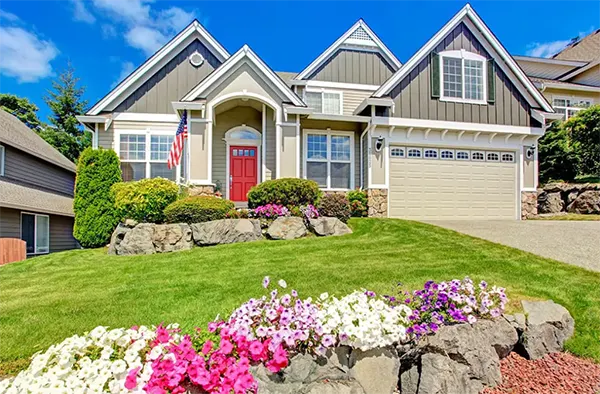
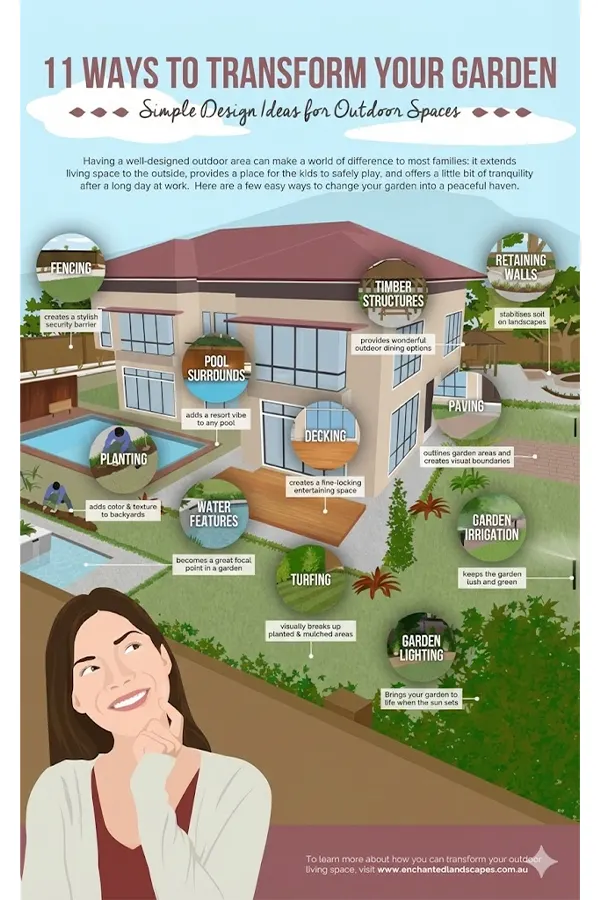
Further, take a look at the attached image to get quick ideas:
Final Thoughts: Creating a Welcoming Curb
Well, I strongly believe that a home’s curb appeal is a gift to the homeowners and the entire community. Thus, implementing these DIY tips is actually preserving it.
Whether it is a simple paint touch-up or a new set of solar path lights, every step brings you closer to a home that truly stands out. So are you looking forward to crafting a century that says “welcome home” before you even turn the key?
FAQ
What is the most cost-effective way to boost the curb appeal?
Deeply power washing your siding, driveway, and sidewalks often gives you the best visual ROI at the lowest cost.
How do I select a front door color?
You want your door to stand out, but avoid clashing with your neighbour’s doors. The safest method is to test out several samples next to your siding in different lighting conditions.
Do the benefits of smart outdoor lighting exceed their cost?
Indeed, to attract tech-inclined buyers, use smart bulbs with the capability of dimming during bedtime or adjusting their color temperatures based on the time of year. These types of lights will save energy while making your home look modern.
Is it possible to complete landscaping projects outside of the actual planting season?
It may be an ideal time to undertake other types of landscaping work, such as erecting new terraced areas, restructuring existing terraces, and locating and cleaning your garden tools.