“Compromise makes a good umbrella, but a poor roof.”
– James Russell Lowell (Poet and Critic)
But people don’t even compromise with their umbrellas anymore, so why would you with your roof?
The roof protects your house from the top. If it is damaged, the effect cascades down to the bottom.
You must have the best available roofing solution on top of your house, and at the moment, that is rubber roofing.
In this article, I will tell you everything about rubber roofing. This easy-to-install and low-maintenance rubber roofing is the best roof solution for your home. We will also compare it with other popular roofing systems.
KEY TAKEAWAYS
- Rubber roofing benefits clearly outweigh its drawbacks.
- It’s durable, inexpensive, energy-efficient, and resists all degrading agents.
- EPDM roofing is a versatile rubber roofing, best suited for low-slope or flat-roofed houses.
- It’s easy-to-install and low-maintenance.
What is a Rubber Roofing
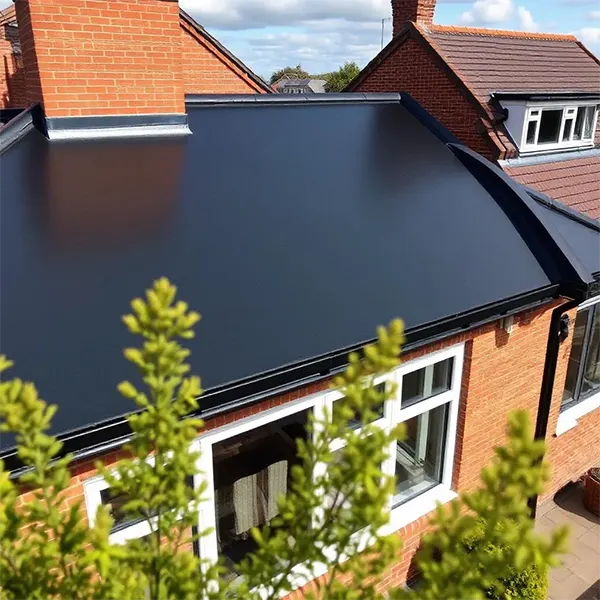
Rubber roofing, as the name suggests, is a roofing system made from rubber or plastic polymers. The rubber membrane in these roofs acts as a waterproof barrier, preventing any leaks inside. This reduces roof degradation and, in turn, lengthens its lifespan, making it durable, cost-effective, and eco-friendly.
Some major types of rubber roofing solutions are EPDM (ethylene propylene diene terpolymer), TPO (thermoplastic polyolefin), and PVC (polyvinyl chloride). Each offers slightly different benefits and is hence used for varying purposes.
It is very popular in buildings with low-slope or even entirely flat roofs.
FUN FACT
Humans have been roofing their homes since 10,000 BC (Source).
What Makes Rubber Roofing a Reliable Residential Option
There are many benefits to rubber roofing your home, such as:
- Durability: Known for withstanding UV rays and fire, rubber roofing is famous for its durability. Among its many types, EPDM roofs are the most durable, showing no signs of wear and tear for years. With proper installation, rubber roofing can last anywhere from 20 to 50 years.
- Weather Resistance: Rubber roofing is also known for its weather resistance. It can withstand the harshest of weather, from scorching summers to chilling winters. This ability comes from its resistance to extreme temperature fluctuations.
- Leak Prevention: The rubber membrane, along with large sheets and fewer seams in this roofing system, provides excellent protection against leaks. Its rubbery nature allows it to adapt to the building structure, making the seals watertight and providing excellent leak protection. A properly installed and fully adhered rubber roofing system is the best for leak prevention.
For proper installation, go for the highly trusted experts like rubber roofing in Columbus.
Types of Rubber Roofing Used in Residential Homes
EPDM roofing is the most popular rubber roofing type, though there are other rubber roofing types as well.
EPDM Roofing Systems
The EPDM roofing system offers great durability and flexibility. It is also highly cost-effective, can resist cold weather and dust, and even handle high pressures.
Ideal for low-slope or flat roofs, it is available in a wide range of colors like black, white, grey, and tan.
Its durability might degrade over the years. So, clean regularly to maintain it in its optimal condition.
Rubber Membrane Installations
Other types of rubber roofing systems are TPO, PVC, modified bitumen, and liquid rubber.
- TPO roofing is an eco-friendly, energy-efficient, and heat-resistant option that comes in white, making it perfect for warm weather.
- PVC roofing is known for being puncture, fire, and chemical proof.
- Reinforced with rubber-asphalt material, modified bitumen is a multi-layered roofing that is durable and tear-proof.
- Liquid rubber can be brushed or sprayed on seamlessly, offering great waterproofing to the roof.
Comparing Rubber Roofing With Asphalt, Metal, and Tile Roofs
Let’s compare rubber roofing with other types of popular roofing systems:
| Roofing Type | Benefits | Drawbacks | Cost | Ideal For |
| Rubber Roofing | Durable (30–50 years), waterproof, energy-efficient, resists UV/algae | Moderately expensive | $4-$8 per sqft | Flat roofs |
| Asphalt Roofing | Affordable, easy availability, and installation | Short lifespan, low weather resistance, and eco-friendliness | $2-$4 per sqft | Sloped roofs |
| Metal Roofing | Durable (40-70 years), energy-efficient, low-maintenance, resists fire/wind | Expensive, noisy, can get dented | $10-$20 per sqft | Steep slopes |
| Tile Roofing | Durable (50+ years), fireproof, aesthetic | Heavy, expensive, brittle | $10-$20 per sqft | Hot or coastal climates |
Installation and Maintenance Considerations
Rubber roofing has relatively simple installation steps:
- Prepare the roof surface.
- Lay and secure the rubber membrane.
- Seam and detail.
It can be installed in three ways: fully adhered, mechanically attached, or ballasted.
Rubber roofing requires very low maintenance.
- Just inspect the rubber roofing biannually and repair if need be.
- Clean the roof and drainage system to prevent leaks and water ponding.
Deciding If Rubber Roofing Is the Right Fit for Your Home
There are many roofing systems, all of which come with almost as many cons as pros.
However, rubber roofing benefits clearly outweigh its drawbacks. It’s durable, inexpensive, energy-efficient, and resistant to almost all roof-degrading agents.
Among many rubber roofing solutions, go for the versatile EPDM roofing, which is best suited for your low-slope or flat-roofed house.
It’s even easier to install and maintain.
As they say, Raise The Roof!
FAQ
What is the advantage of rubber roofing?
Rubber roofing is durable, leakproof, energy-efficient, and resists UV/algae.
Are there any cons of a rubber roof?
Rubber roofing is moderately expensive and can be somewhat affected by extreme weather events. But its pros greatly outweigh its cons.
How long will a rubber roof last on a house?
Rubber roofing can last upto 50 years if properly maintained.