“The best time to improve your home’s value was yesterday; the second best time is today.”
Zillow has reported that even a major kitchen remodeling can yield over 70-80% ROI. You do not need to invest much to make your property shine. Since first impression is formed in the first few seconds, strategic polishing is the key!
Explore with us how high-impact, low-effort tweaks are designed to spark bidding wars and how they transform any standard house into a must-have home. Maximize your value so that your house captivates the buyers the moment they step through the door.
Key Takeaways
- Lighting is the key; keep your home bright.
- Remove bold colors to appeal to the masses.
- Hardware and fixtures provide the best ROI.
- The exterior of the house sets the tone for the entire tour.
Why Simple Upgrades Can Boost Your Home’s Market Value
Buying a home is a lifetime investment, and it is an emotional process. A well-maintained appearance suggests that invisible systems like plumbing are in top shape. Before you wonder, how much for my house, always remember that move-in properties come with higher premiums.
Small upgrades are essential because they eliminate the mental repair list buyers have to take care of. It ensures that you focus on your home’s beauty instead of the potential hurdles.
1. Improve Lighting for Better Visual Appeal
Dark corners of a home create an uninviting atmosphere that can lower its appraised value. Replace the yellow-toned bulbs with daylight LED options to make spaces feel cleaner and larger.
Swap the old, dusty chandelier with a modern, sleek Sputnik fixture. Do not overlook the natural light! Make sure to wash windows inside and out so that the sun can pour in easily and brighten the soul of your home.
Fun Fact: Houses with a black or charcoal grey front door can sell for up to $6,000 more than expected!
2. Refresh Walls with Neutral Colors
While painting is a low-cost, high-ROI improvement, it must be strategic!
You may love your crimson accent wall, but bold colors like that could cost you a sale. Neutral tones, like in the image, allow buyers to visualize their long-term ownership in the space by creating a welcoming atmosphere that feels clean and spacious.

Just this simple change helps potential owners imagine their prospective lifestyle within these walls, making your property much easier to sell.
Shades That Appeal to Potential Buyers
Stick to ‘Griege ‘, soft whites, or light blues to make rooms feel expansive. While DIY is easy, if you are short on time, gather contractor quotes to ensure professional precision; the speed and quality are often worth the investment for resale.
Beyond the wall, it’s the tactile details of your home that speak volumes about its age and quality.
3. Upgrade Hardware, Fixtures, and Small Details
You would find it amazing how much a kitchen is transformed by simply replacing old plastic handles with matte black or brushed brass hardware. Replace leaky or outdated faucets with high-neck models.
These are the jewelry of the home; they catch the eye and suggest a luxury feel without the luxury price tag, instantly modernizing your space for a fraction of the cost.
4. Enhance Curb Appeal with Exterior Touch-Ups
The ‘curb appeal’ is the first impression your home makes on the buyers. If the outside looks neglected, they may never make it inside. Begin by power-washing the driveway and ensure that your seller disclosure notice is ready to show a history of proactive care.
It reassures buyers that the property has been cherished. This initial confidence boost often translates into higher offers and a significantly smoother closing process for everybody.
Landscaping and Outdoor Decor Ideas
You do not need a professional botanist to win. You just need to follow some simple yard guidance:
- Plant seasonal flowers like pansies and marigolds near the entryway.
- Add fresh dark mulch to flower beds for instant contrast.
- Replace the old house numbers with modern, backlit digits.
5. Declutter and Optimize Interior Layout
Space is what sells! If a room is packed with furniture, it feels small. You need to remove 30% of your items and put them into the storage.
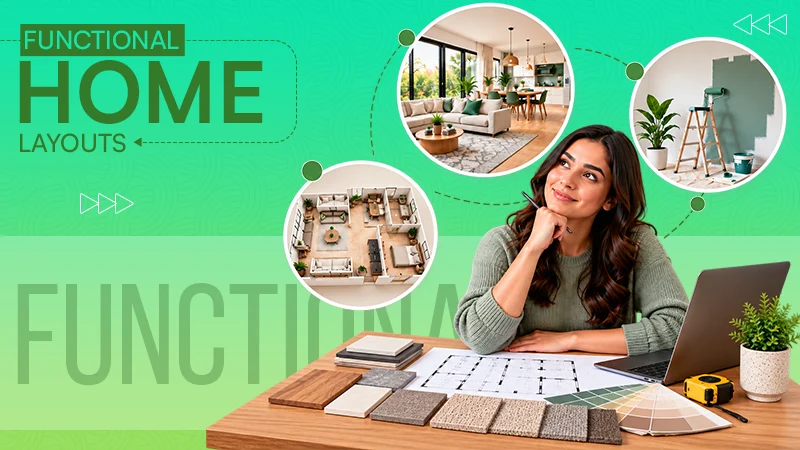
Define the purpose of each room, as shown in the image; if you have a junk room, turn it into a dedicated home office with a simple desk and chair.

This will add functional value in the eyes of remote workers, vastly increasing the overall perceived square footage of your home.
6. Add Smart Home Features Buyers Appreciate
Modern buyers prefer tech; therefore, installing matter-compatible devices or AI-integrated thermostats presents a sense of security woven with modernity. These features are relatively inexpensive but suggest that the home is cutting-edge and energy-efficient.
It gives you a competitive edge in a tech-driven market where convenience and lower utility bills are high on every prospective homebuyer’s ultimate wish list.
Final Tips to Maximize Resale Value Without Renovation
Selling a home is not a sprint, but a marathon! To get a better perspective, walk through your front door as if you are a stranger. What is the first thing you notice? What is the first flaw you see?
Did You Know?
A spotless home feels sturdier, discouraging buyers from haggling over price.
Address these tiny friction points first. By focusing on cleanliness, neutral aesthetics, and light, you can create an inviting canvas that any buyer would be proud to call home.
FAQ
Ques: Is it necessary to paint every room?
Ans: No, focus on money rooms like the kitchen, the living room, and the bedroom.
Ques: Is professional staging needed?
Ans: If the home is empty, yes. If you are already living there, decluttering is often enough.
Ques: What is the cheapest upgrade?
Ans: Cleaning! A clean home always gets a better price.