Our home is our sanctuary, a place where we can escape the chaos and dangers of the outside world and stay safe. But what if you still get attacked by allergy triggers inside your safe space?
Australia is home to one of the highest rates of hay fever worldwide. Dust, mites, pollen, and more can be the most dangerous when they are inside your home. So, how can you get rid of these unwanted visitors from your home?
Fortunately, there are plenty of practical strategies, like some mentioned in this article, that you can adopt to depollute your home and steer clear of these problems.
Key Takeaways
- Washing your bedding regularly
- Purify your house by using air purifiers
- Using a HEPA filter vacuum to clean your home
- Control humidity with affordable equipment
- Choose low-allergen species of indoor plants to beautify and clean your space’s air
- Close openings and windows in your home when the pollen count is high
1. Give Your Bedding a Hot Water Wash Each Week
Good bedding is warm and breathable, but that doesn’t just make it a great environment for you. It’s also perfect for dust mites to thrive, and every night while you’re asleep, you’re feeding them their ideal snack: dead skin cells.
Mattresses act as a haven for millions of them. Most people don’t even notice them until they start affecting their health, as they can trigger allergic rhinitis (hay fever) and asthma issues. But worry not, as they are easily avoidable with weekly hot-water washes of our mattresses
Yes, fresh bedding will keep your mattress mite-free and safe. It’s the heat they don’t like, so stick to water temperatures of 60 °C and above, and tumble dry if you can. Do this even if you’re using hypoallergenic fabrics.
2. Purify Your Home’s Air

We can’t see it, but the air we breathe is full of microscopic particles. Some are good, and some are bad, especially for allergy sufferers. Pollen, mould spores, and dander from pets are all allergens that might be present, and when our windows are shut, they’re locked in with us. But with a high-quality purifier to clean the air, there’s much less reason to worry.
However, really good purifiers with True HEPA filters can be expensive. If you can only get one, where should you place an air purifier in your home for the best results? The answer is where you spend the most time, which for most people is the bedroom. We spend around a third of our lives there, and getting good sleep without being irritated by allergies will benefit our lives in many ways.
3. Use a HEPA-Filter Vacuum
You’d think that by sucking up dust and pet hair, vacuum cleaning is always good for allergies. However, the truth is that many standard vacuums simply blast allergens back into the air through their vents. That is, unless you invest in one with a HEPA (High Efficiency Particulate Air) filter, just like your purifier should have too.
Be sure to use it at least twice a week and pay close attention to areas like under the carpet or rugs that accumulate dust and dirt pretty quickly. If you find that the act of vacuuming is still triggering your allergies by sending allergens into the air, you could wear an N95 mask too for a bit of extra protection until they’ve settled down again.
Did You Know?
Allergens like Ragweed pollen are lightweight, small in size, and capable of travelling hundreds of miles in the air!
4. Control Your Humidity Levels
You only need two basic, affordable pieces of equipment to control humidity, but first, let’s understand why. It’s because high humidity allows all kinds of irritants to flourish, with the two main culprits being dust mites and mould spores. If humidity climbs above 50%, allergy sufferers will usually notice the effects of these very quickly. That’s why it’s important to have a digital hygrometer and a dehumidifier.
The former measures indoor humidity, which you’ll want to try to keep between 40 and 50% for the greatest comfort. The latter you can use if the humidity does surge above 50%. Pay special attention to moisture-prone rooms like the bathroom and kitchen, and ventilate while showering or cooking, too.
5. Choose Indoor Plants Wisely
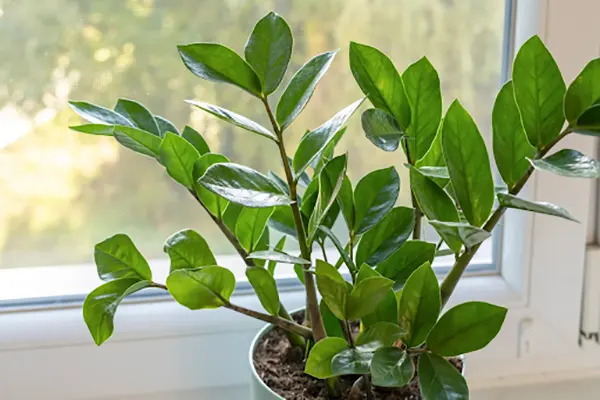
It is true that there are indoor plants that help clean the air inside buildings. Everybody learns in school that plants absorb carbon dioxide and expel oxygen. But whether they’re appropriate in the homes of allergy sufferers is more complex. At best, well-chosen plants can have a modest effect on allergen levels in the air. At worst, they can exacerbate the problem.
One of the biggest risks is not the plants themselves, but the soil, because overwatering can cause mould growth inside it, which makes it a lot riskier. So, what you need are low-allergen species that are hard to overwater, like snake plants or succulents. Placing pebbles or sand on top of the soil can also help block spores.
6. Close Windows When Pollen Count is High
What affects the air quality inside your home often comes from outside it, especially in the spring and summer when it’s nice to have the windows open. At these times of year, it’s crucial to check the pollen count regularly throughout the day.
Pollen counts are mostly highest in the morning and just after rainfall because of high winds, so be cautious at those times and keep windows closed if you have to.
Conclusion
So, there you have it: six practical strategies for reducing common allergens inside your home. There’s no expensive equipment required. You just need a few basic things and an awareness of the risks to make your home allergen-free and safe again.
What causes allergies?
Allergens like dirt, pollen, mites, and more can cause irritation and allergies to the human body, which can even cause hay fever or asthma issues.
At what time is the pollen count the highest?
Pollen counts are the highest during:
- Summer and Spring
- Morning
- After rainfall
How can indoor plants help in a home?
Indoor plants help decrease allergens inside your home, purify the house’s air, and improves circulation of air
What equipment can I use to reduce allergens in my home?
Use HEPA- filter vacuums and install air purifiers to clean your home’s air and reduce allergen deposits.