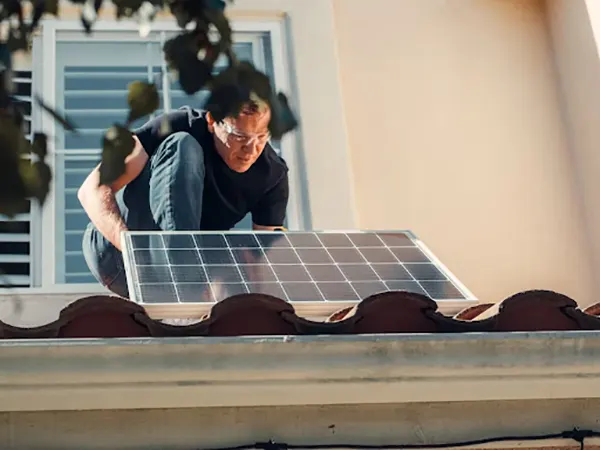
Many people share the goal of making their home better for the planet by making small changes in their daily routine, thus decreasing their carbon footprint.
Furthermore, smart energy and water management does not take a massive budget or a team of contractors. These changes put more money back into your pocket and decrease the overall impact on the environment.
Here’s how you can incorporate these changes into your routine, making the process feel easy and manageable for any household.
Key Takeaways
- Smart energy management and low-cost renovations
- Reusing materials for multiple projects
- Conservative lighting and electricity management
- Strategies to use water more conservatively
Energy Efficiency in Daily Life
Your daily habits are the foundation of a sustainable living space. Turning off lights when you leave a room is a classic tip that still works well. It takes only a second to flip a switch, but it saves a lot of power over a full year.
Another great habit to form is unplugging electronics when they are not in use. Many devices draw power even when they are turned off – this is often called phantom energy use. Using a power strip makes it easy to cut the flow to several items at once.
You can adjust your laundry habits to be more eco-friendly. Washing your clothes in cold water saves a lot of energy that would otherwise go to heating. Hanging your clothes to dry whenever possible is another way to cut back on electricity use.
Smart Low-Cost Renovations
Updating your home doesn’t have to break your budget. Finding green home improvement ideas is a great way to start making your living space better for the earth. You can focus on small wins that add up to big savings.
Replacing old weather stripping around doors and windows is a quick weekend project. This keeps your heated or cooled air inside where it belongs. It is an inexpensive fix that makes a big difference in how hard your HVAC system has to work.
The addition of a programmable thermostat allows you to set schedules for heating, so you do not waste energy on an empty house. You can find many affordable options that are easy to install on your own.
Food Waste and Global Emissions
The kitchen is a place where your personal choices have a global impact. What you buy and how you store it affects more than just your grocery bill. Understanding the link between food and the environment is key to a greener home.
A recent report on sustainable living highlighted that food production is responsible for about 26% of global emissions. It noted that livestock farming makes up more than 50% of that specific environmental burden. This shows how shifting your diet can really help the planet.
Planning your meals can help you buy only what you truly need. This practice reduces the amount of food being wasted at the end of the week. Composting your scraps is another way to keep waste out of the local landfill.
Did You Know?
According to sources, approximately 60% of global greenhouse gas (GHG) emissions are due to increased household consumption
Reusing Materials for Home Projects
When you decide to update a room, you should look at used options before buying new ones. Many high-quality items are discarded simply because someone wanted a different style. Giving these materials a second life is a win for your wallet and the earth.
A major building resource mentioned that buying a used kitchen can be 50% to 70% cheaper than the standard retail price. This allows you to get premium materials for a much lower cost. It prevents perfectly good cabinets and counters from being thrown away.
- Look for local salvage yards for unique hardware and wood.
- Check online marketplaces for people selling leftover renovation supplies.
- Repaint existing furniture instead of buying brand new pieces for a room.
Modern Heating Efficiency Statistics
Heating consumes the largest part of the energy of a home.. Keeping your system running well is vital for a sustainable house. Newer technologies are making it much easier to stay warm without wasting a lot of power.
Data from a 2025 government release showed that heating control measures made up 49% of installations in a major energy program. These tools help homeowners manage their warmth more effectively than ever before. It shows a growing trend toward smarter home management.
Regularly changing your air filters is a simple task that keeps your system efficient. A dirty filter makes the motor work harder and uses more electricity. It is a small piece of maintenance that pays off in the long run.
Lighting and Electricity Management
Switching to LED lights is one of the easiest upgrades a person can make. These lights use much less power than traditional alternatives and are long-lasting. You can replace every bulb in your house for a relatively low cost.
Using timers for outdoor lights ensures they are only on when they are needed. This prevents you from accidentally leaving them on all through the day. Motion sensors are another great option for areas like the garage or porch.
Natural light is a free resource that you should use as much as possible. Opening your curtains during the day can brighten a room and provide a bit of warmth. This reduces the need to turn on overhead lights until the sun goes down.
Water Conservation Strategies
Saving water is a major part of living a more sustainable life. Simple tools like low-flow faucet aerators can reduce your water use without changing your routine. They are very cheap and can be screwed onto most standard taps.
Taking shorter showers is another easy way to cut back on your daily water footprint. You can even use a timer to help you stay on track each morning. Every gallon saved helps to protect local water sources and lowers your utility bill.
- Fix leaky faucets and water pumps as soon as you notice a drip.
- Only run the dishwasher when it is full.
- Use a rain barrel to collect water for your garden plants.
Conclusion
A greener lifestyle is a more peaceful and organized way to live, and taking these steps ensures that your home conservatively uses the natural resources of the planet and minimizes its impact on the environment. The savings you see on your bills are just a bonus to the good work you are doing.
Keep looking for new ways to improve your habits and your home. Share what you learn with your friends and family so they can start their own journey. Together, we can all make a big difference by starting right where we live.
How can I make my home more energy efficient?
Small things like smart management of heating, energy appliances, and water consumption can make your home more energy efficient.
How can I save on electricity consumption?
Turning off electrical appliances when not in use and switching to LED bulbs is a great way to reduce the total energy consumption of the household.
How do I save more water in my home?
The following are a few ways in which you can consume less water in your home:
- Fix leaky faucets as soon as you encounter a drip
- Running the dishwasher only when it’s full
- Collecting water from the garden plants with a rain barrel
What are the ways to reduce food wastage?
Meal planning and composting the leftover scraps are a few great ways with which you can reduce food wastage in your home.