
KEY TAKEAWAYS
- Eminent domain is a government power that takes private property for public projects, with just compensation provided to the owner.
- Property owners need to know their rights, like getting fair value and a chance to fight against the taking of their property.
- In condemnation cases, it is crucial to hire a lawyer who has knowledge of eminent domain and property rights in your area.
- Knowing your rights is the first line of defense.
- Keeping a record of all the important documents related to the property and condemnation process is crucial for the success of your case.
- Taking a proactive approach can be very helpful in the entire process.
When the government takes private lands for public projects, owners face complex legal issues. Because fighting with the government for fair compensation is not an easy task. Relax, before you get traumatized by this statement, let’s have a look at what can be done to ease the entire process.
If we take care of a few things while evolving in the condemnation process, like hiring a professional lawyer, taking early actions, and keeping a record of every important document, then the entire process can become less stressful.
Understanding how to protect your property rights helps you go through the legal process confidently and makes sure you get what you deserve.
What Land Condemnation Actually Means
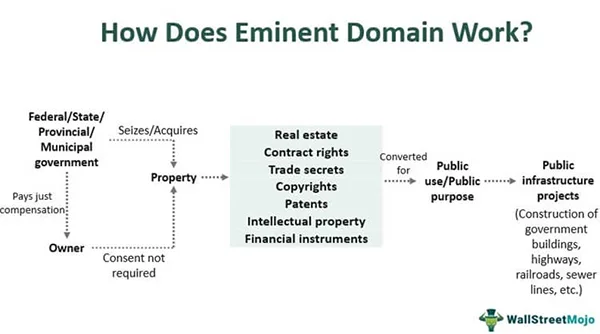
Condemnation of the means used by the governments and or the government-authorized private entity takes private property for public use under the authority of eminent domain.
It is a complex issue, and if you are the one whose property is at stake, then it is no less than a battle for you. And it’s neither your fault, as they don’t seize the unused or unmaintained property.
In most cases, they take it for infrastructure purposes such as roads, pipelines, and public properties. The law says the government must provide a fair price, but this fair price is a bit hard to define. Because of this, many owners get offers that are way lower than the true value of their property.
That is why you need to raise the question of whether your property actually needs to be taken, or the amount they are paying is fair or not. Because the process and work of eminent domain vary with the area.
Hire Legal Counsel with Eminent Domain Expertise
Handling eminent domain cases without legal help can be risky. Even a small mistake in the procedure can cost you thousands, or even worse, you can lose your entire property without getting a penny.
Which is why it is important to find a lawyer who has knowledge about eminent domain and property rights in your area. An experienced lawyer can assist you by:
Clarifying Your Rights- Ensuring that you know about all of your legal rights.
Evaluating Offers- Ensuring whether the government offer is fair or not.
Crafting Legal Strategies- Developing arguments to challenge unfair decisions or low offers.
You should check websites like https://gattislaw.com/ and other professional lawyers who have great experience in condemnation cases.
DID YOU KNOW
The term “eminent domain” was derived from the Latin phrase dominium eminens, meaning “supreme lordship.
Get an Independent Property Appraisal
When the government wants to buy your property, they usually make an offer based on its own assessment. And this valuation may not match its true market value or the factors that affect your actual loss.
That’s why making your own appraisal is a smart choice. A good appraisal will determine the true market value of your property, including any improvements, unique features, and location-based premiums. If only part of your land is taken, they will also think about how this loss affects the use, look, and value of the rest of the property.
Having an independent appraisal is very important and helpful in negotiation; it gives a strong reason to argue against the low offer and ensures that you get paid fairly for the land taken and any damage that was caused to you.
Document Everything and Stay Organized
Remember the 10th and 12th boards, where we have to take all of our documents? And without them, we were not allowed to enter the examination room, right? It’s the same here, just a bit on a higher level.
During the condemnation process, every document is important. You have to keep all the records of all your talks with the authority that is taking your property. Including letters, official notices, emails, and appraisal reports.
Take a picture of your property before any changes happen, and keep all the documentation related to your land and property, whether it is permits, land surveys, or property value tax records.
If the project affects your access, parking, signs, or other parts of your property, write down all of those effects. This evidence can help you ask for more money. If you stay organized, it will eventually help your lawyer to build a better case and make you feel more at ease during the whole process.
Evaluate Non-Financial Impacts
We know that money is always the first topic whenever it comes to a discussion about compensation, but we should also think about emotional and non-emotional support.
For example, consider yourself as a homeowner, there is a possibility that you have sentiments attached to your property, or you saved money for years to buy that land, or it might be an important family asset. Which makes it clear that your property not only impacts you financially but also emotionally.
For business owners, having the right location and the right assets can be a key to success, and relocation can be a disaster for their business.
These factors aren’t always leading to success in the court, but they still help in guiding the negotiation strategy. Sometimes owners can negotiate the cost of moving and coverage for business interruption.
Don’t Wait Until It’s Too Late
“If you’re early, you’re on time. If you’re on time, you’re late.” Have you ever heard this quote? That’s exactly what you have to do in the condemnation process. But most of the property owners made this mistake; they took too long to act in the condemnation process.
The clock starts running the moment you get the notice from the authorities. Keep in mind that condemnation authorities work fast, so if you make any delay, you can end up losing your beloved property without getting its true value.
But if you take early action, you will properly understand your rights, get good representation, and you can confidently negotiate with the authorities. Which might result in getting a good value without fighting long battles.
Conclusion
The condemnation process can be tough and frustrating for property owners, but knowing your rights, negotiating well, and being properly prepared for court can protect your property or at least get you a fair value for it.
Owners have the means and right to defend their property from government actions, whether it is by negotiating, going to court, or from other ways to solve it.
Having a good lawyer is also very important because they are the ones who represent your concerns and interests in court. They make sure that the government does its job.

What is the best defense against eminent domain?
Knowing your rights, filing a lawsuit for inverse condemnation, hiring a professional lawyer, and knowing the basic information about eminent domain can help you fight against eminent domain.
Is there a way around eminent domain?
Yes, you can fight against eminent domain, but the success depends on your area, access, and other circumstances.
Can the government forcefully acquire land?
Yes, they can, but they will pay you fair compensation, and if you feel the compensation they are paying is not right, then you can fight against the government.
Who has the authority to condemn?
Both the local/state government and the Federal government can condemn private property.