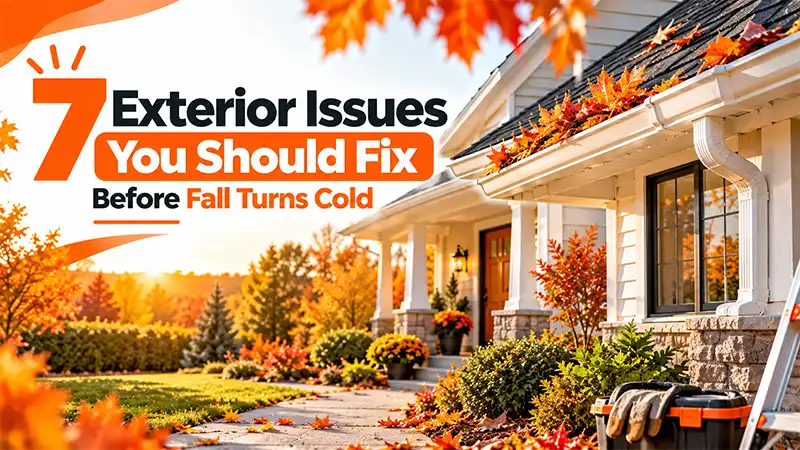
Replacing a roof is a significant undertaking that goes beyond basic repair work or short-term maintenance. It requires thoughtful decisions about materials, contractors, timing, and future planning. A roof doesn’t just shield your home from the elements; it affects energy efficiency, property value, safety, and comfort. Whether you’re responding to wear and tear or planning a complete upgrade, taking a long-term view can help you avoid repeated issues and unnecessary expenses. A roof, when properly selected and installed, can serve your household for decades. Below are six key areas to examine when preparing for a roof replacement with long-lasting results in mind.

Working With Experienced Roofing Professionals
A long-term roof replacement begins with choosing the right experts. Experience and skill influence not only the outcome of the job but also the durability of the roof over time. Look for professionals who specialize in residential projects and have a track record of success in your region’s specific climate conditions. Working with a Poughkeepsie roofing contractor can offer direct access to local knowledge, building codes, and the materials best suited to the area’s weather patterns. This connection can make a difference in the longevity of your roof and help you avoid complications that arise from mismatched systems or poor installation. Roofing experts who take the time to assess your home’s structure, ventilation, and insulation can also identify potential trouble spots before they become serious problems.
Choosing Roofing Materials With Lifespan in Mind
Material selection plays a major role in how long your roof will last. Asphalt shingles, for instance, are affordable and easy to install, yet typically offer a shorter lifespan than alternatives like metal, tile, or synthetic options. Wood shakes add aesthetic appeal but may require more maintenance over time. Each material comes with its strengths and limitations in terms of durability, resistance to moisture, fire ratings, and upkeep. When weighing your choices, it’s useful to think about how long you plan to stay in the home, what kind of maintenance you’re willing to perform, and how the material will perform across different seasons. Local climate, sun exposure, and precipitation patterns should all influence the decision.
Accounting for Ventilation and Insulation
Many homeowners overlook how ventilation and insulation relate to roof performance. Without proper airflow, heat and moisture can build up in the attic, leading to mold growth, weakened materials, and shorter roof life. Poor insulation can cause energy loss in winter or unwanted heat retention in summer, which strains HVAC systems and increases utility costs. These internal factors affect how well your new roof functions, even if the outer materials are in excellent condition. A balanced ventilation system helps control moisture levels and reduces the risk of ice dams in colder climates. Before beginning a roof replacement, it’s worth evaluating whether your current insulation is up to standard. Replacing or upgrading attic insulation during a roof project is often easier and more cost-effective than addressing it separately later on.
Planning for Future Maintenance Needs
Every roofing system, no matter how advanced, requires some level of ongoing care. Planning for this early on helps reduce unexpected expenses in the years following installation. Choosing materials that resist algae, mold, or UV degradation can cut down on cleaning and refinishing tasks. Regular inspections, once or twice a year, can catch small issues like cracked shingles or loose flashing before they lead to major leaks. It’s helpful to speak with your roofing contractor about a recommended maintenance schedule based on your specific materials and location. Some companies even offer maintenance packages that include inspections and minor repairs, which can extend the life of your roof and protect your warranty. Clear gutters, trimmed tree branches, and prompt attention to wear all contribute to a long-lasting result.
Evaluating Warranties and Contractor Guarantees
Understanding the warranty terms on your roofing system gives you a clearer picture of what protection you’ll have over time. There are often two separate warranties involved: one from the manufacturer that covers the roofing materials and another from the contractor covering the workmanship. A long-term warranty can provide peace of mind, but only if the provider has a strong reputation and proven stability in the business. Ask about what voids a warranty, what conditions must be met, and how to initiate a claim if problems arise. Equally important is the contractor’s guarantee; some offer multi-year coverage on their labor, while others limit their liability to a shorter window. A trustworthy roofer should be transparent about both forms of coverage and how they support their work after the installation is complete.
Considering Aesthetic and Property Value Impacts

Though the primary goal of a roof is protection, its visual impact should not be ignored. A well-chosen roof complements the style of the house, improves curb appeal, and can even influence resale value. Color, texture, and slope all contribute to a home’s appearance. If you plan to sell within the lifespan of the new roof, these design choices could make a meaningful difference in how the home is perceived by potential buyers. Some materials, like metal or tile, carry a distinctive look that may enhance traditional or modern homes alike. Matching the roof to neighborhood standards or architectural themes can strengthen the overall visual harmony of your property. While aesthetics shouldn’t override function, they often work together in shaping how a home is valued and enjoyed.
A long-term approach to roof replacement means considering not only how the new system performs on day one, but how it holds up over years of use. With careful planning and the right partners, a replacement roof becomes more than a fix; it becomes a solid investment in the future of your home.