New Zealand’s climate is famously diverse—ranging from the humid subtropical north to the cooler alpine conditions of the south. High winds, heavy rainfall, and the occasional drought demand that homes and outdoor spaces be designed with resilience in mind.
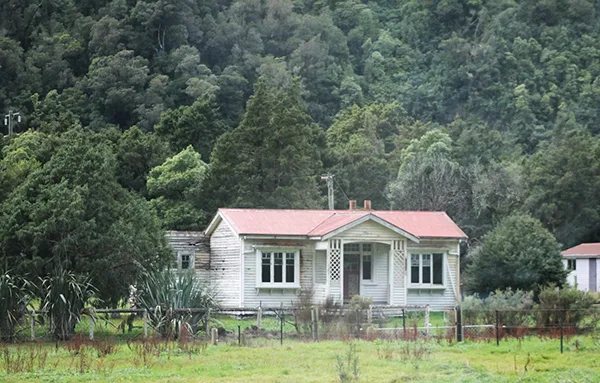
Kiwis have long adapted their properties to handle shifting conditions, blending practicality with design. From the strength of a fence post to the orientation of a roof, every choice plays a role in ensuring homes and backyards withstand the elements while remaining welcoming, safe, and functional.
Fence Posts In New Zealand: The Foundation Of Outdoor Resilience
Fence posts aren’t just about marking boundaries when it comes to New Zealand backyards—they are the structural backbone that determines whether a fence withstands the country’s notorious winds and shifting soils. Many regions, especially in Wellington and Canterbury, experience strong gales, making post choice and installation critical.
Hardwood and treated pine posts remain popular because of their strength and rot resistance, but modern solutions like steel and composite posts are increasingly favoured for their longevity. In wetter parts of the North Island, untreated timber posts often decay within a decade, whereas galvanised steel posts can last 30 years or more with minimal maintenance.
Equally important is the depth of installation. A post set too shallow will wobble or lean after a single storm. The rule of thumb in New Zealand is to bury at least a third of the post’s length in the ground and secure it with well-drained concrete. In coastal regions, where salt air accelerates corrosion, extra protective coatings are essential. By combining the right material with careful installation, homeowners can create fences that remain upright and sturdy no matter the weather.
Roofing Solutions That Withstand Wind And Rain
The roof is one of the most vulnerable parts of a New Zealand home. With heavy downpours in Auckland and high winds common in Wellington, roofing materials must balance waterproofing with wind resistance. Corrugated steel, long a Kiwi favourite, is valued for its durability, light weight, and ability to shed rain efficiently. Metal roofing with a high-strength coating resists rust in coastal areas, making it ideal for properties near the Tasman Sea or Pacific Ocean.
Tile roofs—both concrete and clay—are also popular but require stronger framing to resist uplift during storms. Proper fastening is critical; after several severe storms in recent years, building codes were updated to ensure roofing sheets and tiles are securely fixed to prevent dangerous dislodging. Homeowners seeking long-term resilience often invest in roof insulation and sarking, which provide an added barrier against water penetration and heat loss. The result is not just protection against weather extremes, but greater energy efficiency year-round.
Water Management: Gutters, Drainage, And Rainwater Harvesting
New Zealand’s rainfall patterns vary widely, with the West Coast of the South Island among the wettest places in the world, while eastern regions like Hawke’s Bay face droughts. To manage this, resilient homes need well-designed guttering and drainage systems. Blocked or undersized gutters can quickly lead to water damage, especially during the intense downpours seen in the North Island.
Modern solutions include wide-gauge gutters with leaf guards to handle heavy flows and prevent clogging. Downpipes should be directed well away from the foundation to avoid soil erosion and dampness, which can undermine a home’s stability. Many Kiwis also install rainwater harvesting tanks, turning excess rainfall into a valuable resource for garden irrigation or even household use when filtered. This not only reduces reliance on mains supply during droughts but also lowers water bills—a practical and eco-friendly measure that aligns with New Zealand’s increasing focus on sustainability.

Insulation And Passive Design For Temperature Extremes
New Zealand’s homes historically struggled with insulation, with many older properties prone to dampness and heat loss. Today, the Healthy Homes Standards require insulation that supports year-round comfort. For resilience, insulation isn’t just about warmth—it’s about reducing reliance on heating and cooling systems, which can be strained during extreme weather events.
Double-glazed windows are now common, preventing condensation while improving thermal efficiency. In addition, passive solar design is gaining traction. By orienting living spaces to the north, Kiwi homeowners capture maximum sunlight in winter while using shading devices to keep interiors cool in summer. Materials like concrete slabs and brick walls add thermal mass, storing heat during the day and releasing it at night. Together, these strategies create homes that remain comfortable even during sudden cold snaps or summer heatwaves, reducing energy costs while improving resilience to climate variability.
Landscaping And Backyard Adaptations For Resilience
A resilient backyard in New Zealand does more than look good—it protects the home. Strategic landscaping helps reduce wind impact, manage water, and prevent erosion. Native plants such as flax, pittosporum, and tōtara are increasingly favoured for their deep root systems and natural adaptation to local conditions. They provide windbreaks while supporting biodiversity.
For homes in flood-prone regions, permeable surfaces such as gravel, pavers, or reinforced grass allow rainwater to soak into the ground instead of overwhelming drainage systems. Retaining walls are another vital feature, particularly in hillside suburbs around Wellington and Dunedin, where slips remain a constant threat. Properly engineered walls with drainage reduce the risk of soil collapse during prolonged rainfall.
Backyards are also being reimagined as self-sustaining systems. Vegetable gardens, raised beds, and small greenhouses help families maintain food security, while water-wise irrigation systems reduce dependence on municipal supply. By combining smart planting with structural reinforcements, Kiwi homeowners create outdoor spaces that not only endure the climate but also thrive in it.
Wrapping Up
Resilient homes and backyards in New Zealand demand a holistic approach—starting from something as seemingly simple as fence posts and extending through roofing, water management, insulation, and landscaping. Each feature plays a vital role in adapting to the country’s unpredictable climate.