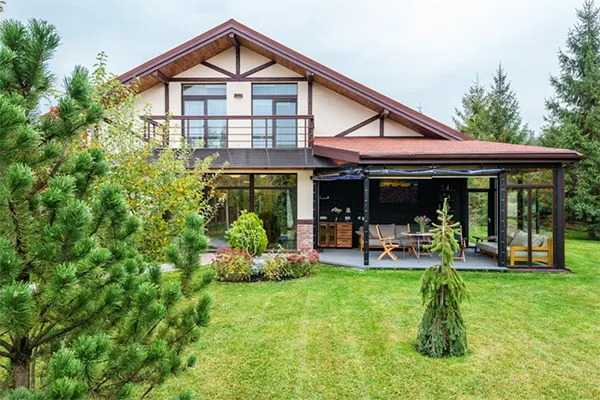
Backyards are no longer an afterthought. In just a few years, the default stretch of grass has started to feel dated, especially as homeowners look for outdoor spaces that match the way they actually live, host, relax, and play. The classic suburban lawn is still around, but it is increasingly being reshaped by cleaner lines, mixed materials, and layouts that prioritize function as much as appearance.
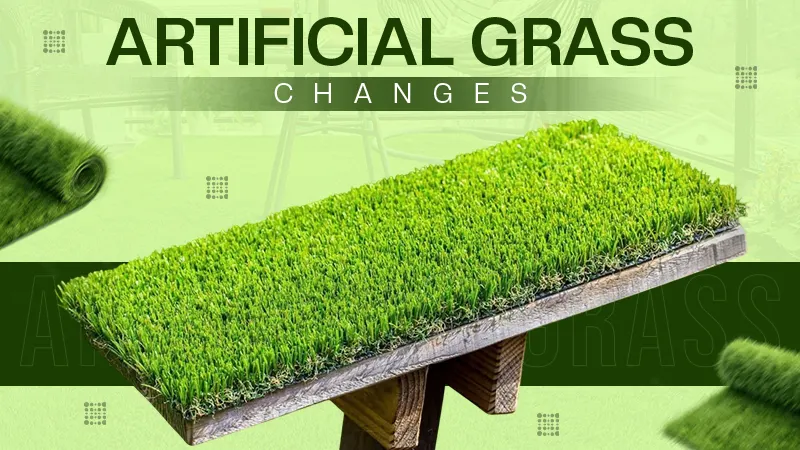
Artificial turf has helped drive that change. What began as a simple replacement for patchy grass is now used as a deliberate surface in modern landscape design, from rooftop patios and small courtyards to minimalist gardens and crisp hardscape borders. With new textures, tones, and installation options, turf can support a wide range of backyard styles without demanding constant upkeep.
To see why this trend keeps accelerating, it helps to start with the practical reasons synthetic turf is winning homeowners over right now, everywhere.
Why Synthetic Turf Dominates Modern Yards
Mowing, fertilizing, watering, and reseeding—for most homeowners, maintaining a natural lawn is a recurring chore that never quite ends. Synthetic turf removes that entire cycle, offering a surface that stays green year-round without the upkeep.
Water conservation is one of the strongest reasons behind the shift. A 1,800-square-foot turf installation can conserve around 99,000 gallons of water annually, a number that resonates in drought-prone regions and water-conscious households alike.
Beyond the low-maintenance appeal, modern artificial grass products have expanded what a yard can actually do. Today’s turf comes in varying pile heights, textures, and color tones, giving homeowners the freedom to design multi-use spaces that natural grass simply cannot support. Suppliers like Synthetic Grass Warehouse reflect this shift, offering product lines built specifically for creative residential layouts.
That versatility is changing the conversation. Rather than treating turf as a stand-in for real grass, homeowners are approaching it as a design material in its own right. The result is a backyard that functions on the homeowner’s terms, not the lawn’s.
Design Trends Reshaping Backyard Turf
Three design directions are defining how turf shows up in modern backyards. Each one reflects a broader shift toward outdoor spaces that are intentional, layered, and built around how people actually use their yards.
Turf and Hardscape Pairings
One of the most visible trends in minimalist landscaping is pairing synthetic turf with hardscaping like stone, concrete, and wood. Set turf strips between pavers, frame stepping stones, or run a green border along a walkway to create crisp geometry and a modern, architectural look.
The magic is in the contrast: turf feels soft and inviting, while hard materials stay sharp and structured. Together, they add texture without looking busy. Homeowners also use these combos to map out zones for dining, lounging, grilling, or a fire pit, giving the backyard a clear flow. It is an upgrade that photographs well.
Multi-Zone Yards and Indoor-Outdoor Flow
Rather than treating the backyard as one open area, more homeowners are dividing it into distinct activity zones. Turf acts as the connective thread between these spaces, linking areas that serve different purposes throughout the day.
Multi-functional spaces like these give every square foot a purpose:
- Poolside turf lounges that stay cool and drain quickly
- Dedicated pet areas with antimicrobial surfaces
- Putting greens for recreation and entertaining
- Kids’ play zones with cushioned, safe surfaces
Indoor-outdoor flow plays into this trend as well. Continuous turf surfaces that extend from a patio threshold outward help blur the boundary between interior and exterior, making the yard feel like a natural extension of the home rather than a separate area.
Hyper-Realistic Turf That Blends In
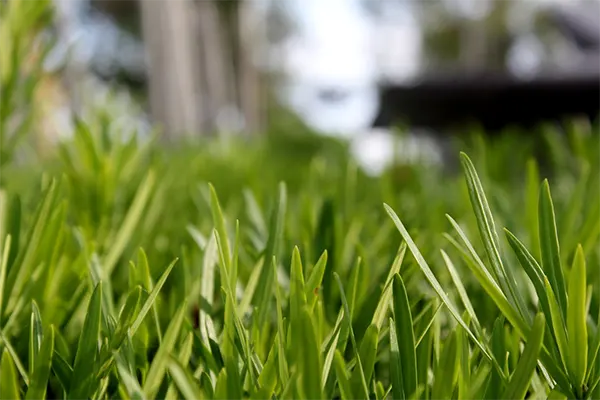
Perhaps the biggest shift in recent years is how realistic synthetic turf has become. Newer products feature varied blade heights, subtle color variation, and built-in thatch layers that closely mimic the look and texture of natural grass.
This matters because appearance has long been the main hesitation for homeowners considering artificial turf. When choosing the right artificial grass, blade quality and realistic aesthetics often top the priority list. As the visual gap between synthetic and natural shrinks, so does the resistance. The result is turf that blends into a landscape rather than standing out from it.
Practical Perks Beyond the Look
The design appeal of modern turf is clear, but the practical advantages are what often seal the decision for homeowners weighing their options.
On the eco-friendly side, the benefits extend well past water savings:
- No pesticides or herbicides needed
- No fertilizer runoff entering local waterways
- Reduced carbon footprint from eliminating gas-powered mowing equipment
- Longer lifespan than natural lawns, reducing replacement cycles
Climate performance has improved significantly as well. Heat-resistant turf options now serve homeowners in warmer regions, while UV-stable products resist fading even after years of direct sun exposure. Comparing modern synthetic lawn options to earlier generations shows just how far the technology has come.
Pet-friendly turf has become another major draw. Products with antimicrobial infill reduce odor and bacteria buildup, keeping yards hygienic for both pets and children. Paired with proper drainage systems installed beneath the surface, water and waste move through efficiently rather than pooling on top.
Those drainage systems also matter in rainy climates. Well-engineered sub-bases prevent standing water and keep turf usable year-round, regardless of seasonal downpours.
For homes with limited outdoor space, rooftop turf and balcony installations are expanding what counts as a yard. Urban homeowners and small-lot properties are gaining functional green areas in places where natural grass was never an option to begin with.
Making Your Backyard Work Harder
Modern artificial turf has moved well beyond being a simple lawn substitute. It is a design tool that helps you shape outdoor living spaces around how you actually relax, host friends, and let kids or pets play. With textures and flexible layouts, turf can connect patios to planting beds, soften hardscape edges, and create zones without constant watering or mowing.
All the trends point the same way: backyards that feel intentional, low-maintenance, and ready for real life. When you treat the yard like another room, not just a patch of green, you unlock options that a traditional lawn cannot match.