“Design is the art of juxtaposition. It’s about finding the harmony between a rugged past and a polished future.”
There exists a common misconception in the world of interior design that ‘modern’ must mean ‘stark’. We often think that to achieve a contemporary look, everything carved, heavy, and historical should be replaced with glass and steel. However, the most breathtaking homes are those that have a story to offer across generations.
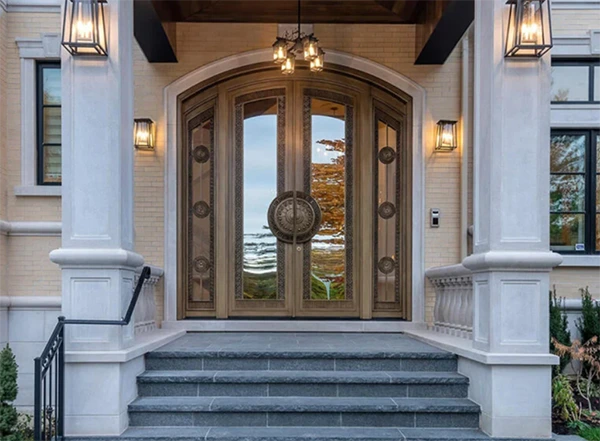
Adding a vintage and traditional door into a crisp, modern layout is not just a design choice; it’s an act of going out of the way and trying something against the ‘aesthetic’. It creates a focal point that breathes warmth into a room that otherwise may feel a bit clinical.
Why Traditional Doors Still Hold Design Value in Modern Homes
I have always believed that traditional doors act as the anchor of a room. While modern furniture trends come and go, a solid wooden door with an intricate design offers a sense of permanence and craftsmanship that mass-produced modern alternatives often lack.
There is some sense of satisfaction about the weight of an old-growth oak door. It offers superior sound insulation and a physical presence that commands respect. These pieces represent sustainability and a nod to architectural heritage in this era of ‘fast furniture’. They bridge the gap between the past and present, making your home personally organized rather than just decorated.
Design Challenge of Mixing Traditional Elements With Modern Spaces
The biggest hurdle you’ll come across will be the ‘clash of eras,’ and if it is not handled carefully, a Victorian-style door in a minimalist hallway may look like a mistake. The challenge lies in visual cohesion. Modern homes often prioritize horizontal lines and flat surfaces, whereas traditional doors are vertical and heavily ornamented.
Furthermore, you must also consider the technical side, ensuring that the door rough opening is correctly sized for a vintage slab is essential, as older doors rarely adhere to the standardized dimensions of modern construction.
Design Tips for Blending Traditional Doors Into Modern Interiors
To make this combination of modern interior with traditional door work, you need to think like a curator. You are not just installing a door, you are installing a piece of art.
Material Selection
The wood material you select sets the tone of the room. If your modern home features polished concrete or cold marble, you cannuse warm wood such as cherry or walnut that will offer your house a necessary contrast. If you are looking forward to a more seamless blend, you can try reclaimed wood with a matte finish.
Did You Know?
Reclaimed wood doors are often more stable than new wood because the timber has already done all the shrinking and expanding over the decades.
Wood Finishes
To make a traditional door look modern and fit well with your interior, you should go for a dead flat or natural oil finish. This allows the grain to speak for itself without the dated shine. Alternatively, you can also go with painting a traditional paneled door in a matte charcoal or deep navy, which can instantly modernize its look.
Texture Balance
In a modern space, textures are often smooth, and you can balance this by highlighting the imperfections of a traditional door. As the design experts at Ali & Shea often demonstrate, the key is to let one element be the star while the other provides the stage.
Neutral Palettes
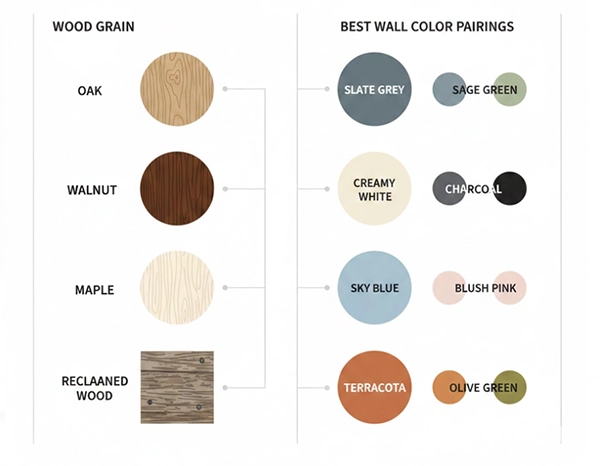
If you are worried that the door may feel too ‘loud’, keep the surrounding walls in a neutral palette. Soft greys and off-whites allow architectural details of the door to pop without clashing with the color of the wall.
Contemporary Handles
A contemporary handle is like a cheat code to seamlessly blend eras. Take a 100-year old door and pair it with a vertical brushed-gold pull. This juxtaposition tells the observers that the vintage door is an intentional and modern design choice.
Minimalist Trims
Avoid using multi-layered door casings if you want to keep the look clean. Instead, use a simple trim or even a frameless look where the traditional door sits inside like a hidden jamb. This allows the door’s design to shine without the noise of traditional molding.
Where Traditional Doors Work Best in Modern Home Layouts
This is a vital aspect to notice: not every entrance needs or works well with a vintage touch. Traditional doors work best as ‘statement’ entries.
- At the Home Office, a heavy and traditional door signals prestige and privacy.
- For a Master Suite, using a pair of traditional double doors can make the entrance of your bedroom feel like a grand transition.
- A reclaimed barn-style French door in a pantry adds character to a modern kitchen.
Conclusion
Blending the old with the new is not always about following the rules; it is more about balance. Taking a traditional door, removing the dated finishes, and adding modern hardware allows you to create a piece of functional art.
Fun Fact: Today, painting your front door is a great way to make a traditional door look ‘Coastal Modern’; however, in some cultures, it was used to ward off spirits.
Your home should reflect your taste, a mix of where we have been and where we are going. So, don’t be afraid to experiment and let that heavy oak door stand tall in your glass-walled hallways, because it belongs there.
Are traditional doors more expensive?
Yes, if you are looking for authentic reclaimed wood. However, you can find traditional-style new doors that are very budget-friendly.
Can I use a traditional door in a brand-new condo?
Absolutely! It could turn out to be a perfect idea to add instant history to a space that might feel a bit soulless.
How can I maintain the wood finish?
For matte or oil finishes, you simply need to wipe down with a damp cloth, and an occasional re-oiling every few years is usually enough.