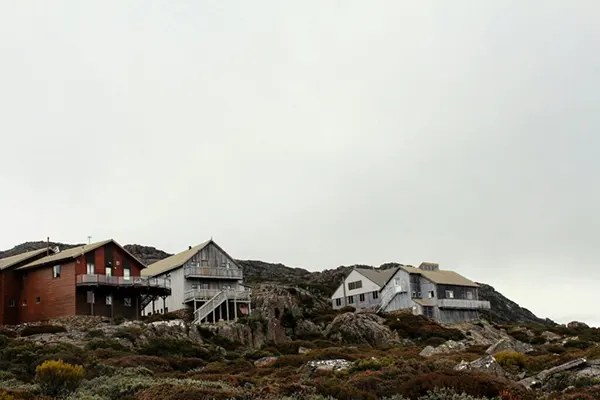
Australian rural landscapes possess a unique, enduring charm. They remain unpretentious and unobtrusive, yet linger in your memory long after leaving the red earth and the gentle sound of sun-dried grass underfoot.
When seeking inspiration from these vistas for your home, focus on evoking a feeling rather than mere imitation. The essence of Australian farmstead design is not theatrical; it embodies a serene cadence. Subtle touches can infuse this ambiance into your outdoor or indoor areas without transforming your home into a film set.
Even minor details—like materials, layout, and shapes—embody the essence of rural functionality. Sheds narrate tales of utility and resilience, often influencing the visual narrative more than the main dwelling itself.
Let’s learn more about it in this write-up!
KEY TAKEAWAY
- An Aussie shed has wide openings, which keep things functional and built for the long term.
- Create a few open zones so that the zones feel like they are breathing.
- Verandas and fire pits are the areas around which people gather and create memories.
The Spirit of the Aussie Shed: More Than Storage
Farm sheds in Australia continually rise before anything else—wide openings, metal ribs, simple lines standing strong under an unforgiving sky. These structures teach a kind of discipline: avoid unnecessary frills, keep things functional, and build for the long term.
In case you bring this attitude into your own property, think of a shed not as a forgotten outbuilding but as an anchor.
A small corrugated framework in the corner of a backyard can instantly lend character. Allow the sun to soften the sharpness, let the metal weather naturally, and plant dry-tolerant shrubs or native grasses nearby. Once the shed earns its patina, the entire yard feels steadier, more grounded.
Add a sliding barn-style door—not decorative, just smooth, solid, satisfying in its movement. Inside, use warm timber shelves and sturdy hooks. The integration of steel and wood forms a dialogue that feels unmistakably Australian.
Open Zones That Breathe Like the Bush
One common thread among rural Australian properties is space that isn’t forced to behave. Outdoor zones flow into one another without ceremony. Instead of crowding your backyard with borders and barriers, create a few open sweeps—patches of lawn or gravel that invite movement.
These spaces offer breathing room, allowing garden beds to stand out instead of drowning in clutter.
Bring in hardy plants that tolerate sun, current of air, and occasional forgetfulness. Think of textures first—spiky, soft, silver-leafed, scrappy. Organize them in long stretches instead of tight circles. They should look like they are bound to the land rather than being posed for a photograph. Under this approach, the landscape is considered a companion, not a curated showroom.
The Charm of Rural Textures
Australian farm style unfolds through touch—sunburned metal, rough timber, clay that cracks but still holds its shape. Once translated into a home environment, these variations offer honesty. They do not pretend to be flawless. They age with you, recording the years without apology.
Timber That Carries Its Own History
Timber often appears worn yet trustworthy in Down Under farm settings. Floors bearing footprints of livestock days, fence edges leaning with personality, beams showing sun scars. Re-creating that sensation in a home does not require antique hunting. Choose woods with visible stripes and natural irregularities. Skip glossy finishes. Let the constituent parts breathe.
For an outdoor deck or patio, broad-brimmed planks offer sturdiness and a sense of welcome. Indoors, reclaimed timber shelving can suggest modesty and warmth, particularly when paired with stoneware bowls or enamel jugs.
The goal isn’t to artificially “distress” the wood, but to honor whatever signatures time leaves behind.
When used as edging along garden walkways or around flower beds, rough-cut boards create borders that blend seamlessly with planting rather than frame it too sharply.
Metal That Softens, Not Shouts
Metal on rural Australian properties hardly seeks attention. It sits quietly—tank panels, shed walls, roofing ready for the next summer storm. You can adopt that presence by settling on matte finishes and muted tones: pale gum-grey, charcoal, faded eucalyptus-green.
A corrugated metal backdrop along the landscaping’s edge can act as both fence and sculpture. It interacts with shifting light, appointing lines that expand and contract through the day. Even small touches—a rain chain feeding a basin, a steel table with clean legs—echo that industrial yet gentle aesthetic.
Furthermore, besides such surfaces, plants with dusty blues or deep greens feel instantly at home.
Gathering Spaces That Mirror Rural Hospitality
Australian farm life includes long evenings of contemplative conversation. People gather not because of elaborate décor, but due to the atmosphere inviting ease. You can carry this into your own house by shaping areas that feel generous and unpretentious.
Verandas That Stretch Like an Invitation
A veranda in rural Australia acts the same as an extra member of the household. Shelter in winter, shade in summer, a companion during quiet afternoons. Even a small home can incorporate this idea. Add a covered porch or awning—nothing extravagant, just a simple extension.
A few sturdy chairs, a battered table that is getting better with every scratch, and pots filled with broad-leafed plants create a psychological atmosphere that asks you to sit without checking the time.
Lighting should glow gently instead of producing glare. Lantern-style fixtures or warm fluorescent bulbs tucked inside metal shades maintain the understated tone.
Fire Pits and Quiet Corners
Gathering doesn’t depend on a crowd. Sometimes a single corner of the backyard captures the entire spirit of rural hospitality. Establish a circular seating area with stone or gravel underfoot. The pit can be steel or brick—conscionable, to make it dependable. Surround it with wooden benches or large stones that double as seats.
Nearby, allow a planting area with hardy grasses that dance in the heat, shimmer. Their rustling pairs well with evening sparks. When the fire is not lit, the space still works as a relaxing hangout for morning tea or lazy reading. Rural design focuses on versatility without needing to announce it.
Planting That Follows the Logic of the Land
Australian farm landscapes do not show regret for being tough. Drought pushes plants to adapt rather than wilt into melodrama. Bring that principle into your garden by selecting species that reward resilience.
Adaptable Greens With Subtle Strength
Look for plants that grow with modesty—ones that accept poor soil, full sun, and occasional neglect. Native grasses, tea trees, rosemary, bottlebrush, lomandra, and kangaroo paw offer texture and reliability. Plant them in long rows or sprawling clusters. Do not use patterns that look too scripted.
Untrimmed yet maintaining its own rhythm—when these plants mature, they form a living tapestry that feels honest—slightly wild. The landscape starts behaving identically to something that developed naturally, even if every plant arrived by your hand.
Beds and Borders That Don’t Feel Forced
On Australian farms, garden beds frequently appear as if they settled there by accident—gentle mounds rather than strict rectangles. With gentle curves, recreate that softness by shaping edges. Mix mulch and gravel to replicate paddock paths.
Add small boulders or low timber edging for a peaceful structure. Let plants spill a little over boundaries. The design gains its charm when it stops trying to hold everything in perfect alignment. This relaxed approach pairs exceptionally well with the presence of a farm shed—steel standing firm beside the easy rhythm of foliage.
A home or backyard characterized by Down Under farm life does not require sweeping acreage or a sun-scorched horizon. The secret lies in adopting the values behind the landscape: practicality without stiffness, open spaces that breathe, texture without fuss, and structures—like the humble farm shed—that have earned their place by simply existing with purpose.
Once these ideas move into your space, the land starts reciting its own stories, and your home becomes a quiet tribute to the vast, resilient heart of rural Australia.
Frequently Asked Questions
What explains the “Down Under” farm design style?
Natural materials, climate adaptation, and a connection to landscape: these designs are down under farm style.
What are common exterior features?
The most common exterior features are elevated structures, verandahs, and “timber and tin”.
Which type of featured color is used in this design style?
Colors that illustrate earthy accents or bright and light bases are included in this style.