Creating an aesthetically pleasing and environmentally responsible outdoor space is no longer just a fad; rather, it is a deliberate life choice that will benefit both the homeowners and the environment.
In the specific case of Ottawa residents, with its peculiarities of seasons and weather, the application of environmentally friendly landscaping contributes to the conservation of natural resources.
It promotes biodiversity and improves the well-being of outdoor environments in the long term. Through this article, we will learn the implementation of sustainability in landscape design and maintenance to provide valuable insights to the readers.
Let’s begin!
Key Takeaways
- Understanding the justification of sustainable landscaping
- Uncovering the conservation of water
- Decoding the native species and selected plants
- Exploring some pivotal green elements
The Justification of Sustainable Landscaping.
Sustainable landscaping is not only about beauty. It involves creating the outdoor environments to make them less wasteful, less water-consuming, and less polluting. In Ottawa, issues like climate change, water shortages, and habitat destruction are environmental problems, but it is all the more significant to practice measures that will reduce their adverse effects on soil, vegetation, and fauna.
Natural resources and local ecology can be affected by every choice, such as the selection of plants to grow, the choice of irrigation, etc. Green landscaping transforms a backyard into a living breathing landscape that serves life living in and around the backyard.
Interesting Facts
Roughly 30% to 60% of all residential water is used outdoors, primarily for irrigating lawns and gardens.
Conservation of water in landscaping.
One of the most important natural resources that is present in all landscapes is water, and its prudent management is a principal aspect of outdoor design sustainability. To make the Ottawa landscape environmentally friendly, there are a number of measures that can substantially cut down on the amount of water consumed and still make the plants flourish and remain green.
The first one is to select plant species that are locally adapted to the climate. These indigenous or drought-resistant plants will grow with minimal or no irrigation and this will minimise dependence on water supplies. Consulting a professional landscaper portland homeowners trust can also help ensure the right plant choices for long-term success. Native plants in Ottawa are also considered to be more resilient in both seasonal extremes and require less attention, once planted.
The installation of drip irrigation systems is the other water-wise strategy that has contributed to significant success. In addition, drip systems supply water to plant roots, whereas overhead sprinklers lose a large portion of their water supply due to evaporation and runoff. This strategic methodology will guarantee that the plants get what they require and nothing extra.
Sustainable strategies also include harvesting rainwater. Homeowners can prevent dry spells by collecting rain on rooftops into cisterns or rain barrels to save natural irrigation water. This method not only minimises the use of treated water, but also minimises stormwater runoff, which may introduce pollution to waters in the area.
Lastly, the implementation of permeable surfaces like grass pavers, porous concrete, or gravel in the patio and walkways allows rainwater to infiltrate the soil as opposed to flow away. Such natural infiltration aids in recharging groundwater and retaining water on the landscape where it is most required.
Native Species and Selected Plants.
One of the most effective and easiest to undertake actions toward sustainability is the choice of appropriate plants. The native plants are also adapted naturally to the soils, light and moisture of Ottawa and thus would need less water, fertilizer and pest control compared to the exotic ones. Since they developed in the area, they also offer vital habitat and food supply to birds, bees, and butterflies, as well as other wildlife, to sustain the biodiversity in the region.
The native plant palette of Ottawa consists of plants able to survive the heat of the summer and coldness in winter. The integration of these types of plants into flower beds, borders, and mixed gardens lowers maintenance as well as creates a resilient landscape. The plants of the native grasses, flowering perennials and shrubs attract useful insects and pollinators organically, adding interest and richness to the ecology and aesthetics of your garden.
Organic Agriculture and Soil Health.
In the middle of a prosperous landscape lies healthy soil. The use of synthetic chemicals which may cause the disruption of soil life is not used in sustainable landscaping, instead natural soil improvement is stressed. Organic matter like compost adds to improve the soil structure, nutrient contents and water retention. This eventually enriches the land and promotes vigorous growth of plants without adverse effects on the environment.
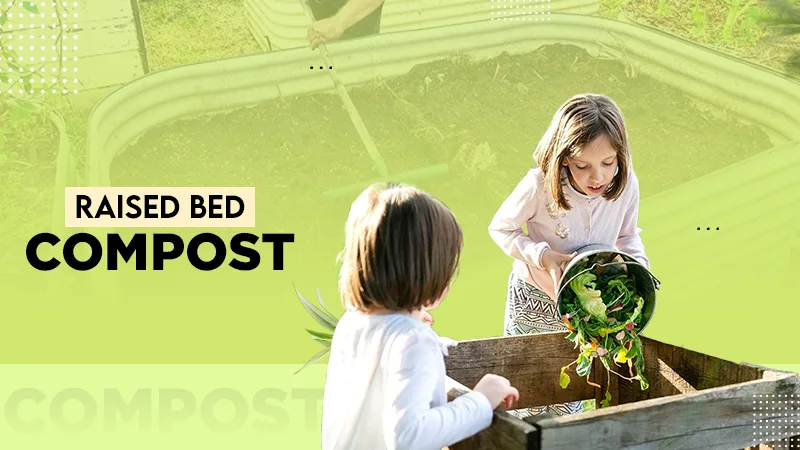
Recycling yard waste such as grass clippings, leaves, plant trimmings, and vegetable scraps completes the natural nutrient cycle. Instead of sending this organic matter to landfills—where it contributes to greenhouse gas emissions—composting transforms it into a valuable fertilizer for your home garden. The result is a self-regenerating system that improves soil fertility, reduces waste, and supports healthier plant growth both outdoors and for long-term indoor plant maintenance.
Pollinating, Wildlife, and Biodiversity
A landscape that is truly environmentally friendly will help nurture a wide range of animals and provide habitat nooks all over the yard. Planting plants that bloom at varying times of the year means that you supply pollinators such as bees, butterflies and hummingbirds with constant food. Not maintaining the small spaces of the yard absolutely manicured, like native grass, or natural wood piles also provide shelter to the helpful wildlife.
This is not only about biodiversity in your environment, but also about the health of your landscape. The useful insects will allow the control of pests without relying on chemical pesticides. Birds aid in seed dispersal, natural pruning and pest management. After some time, a biodiverse garden would be more durable and less difficult to manage.
Selecting Hardscape Green Elements.
Such hardscape features as patios, walkways and driveways are significant functional elements in the outdoor spaces. Nevertheless, conventional substances such as concrete and asphalt may cause augmented runoffs and heat traps. Green options are concerned with materials that will avoid high environmental cost but will be durable and attractive.
Permeable paving products, such as porous concrete and permeable interlocking pavers, allow water to get through the surface and get into the soil below. This will improve groundwater recharge, lessen runoff, and possibly stop erosion. The design of sustainable hardscape incorporates landscape with plantings and water-management features, which form a landscape that is not fighting with nature but is in harmony with nature.
The environmental cost of transportation and manufacturing is also minimised by selecting natural rock locally or recycled materials. These green choices serve the purpose of reducing the carbon footprint and also help in creating a unique and sustainable outdoor environment.
Sustainability and maintenance throughout the year.
Sustainable landscaping is for all seasons of the year and not just spring and summer. Plants and design features that provide year-round beauty and utility should be selected when designing your garden. Evergreen shrub, Berry bushes, and ornamental grasses offer winter liveliness and protection against the cold to small animals. The soil will gain nutritional value for use the next season if the plant and leaf litter is placed in designated areas where it will naturally compost.
Regular maintenance practices should be less disruptive and focused on conservation. Pruning, mulching and seasonal clean-up are good practices that are also healthy to the plants, they should be performed in a manner that promotes soil life by not damaging root systems and preserving organic materials where useful. The practices promote resilience and minimise the interventions.
What are the benefits of a sustainable landscape?
It significantly reducesroutine maintenance expenses, as well as fertilizer and pesticide needs.
What are the 5 C’s of sustainability?
It includes concepts like clean environment, culture, and community creation.
What are the 4 types of sustainability?
The four key types (or pillars) of sustainability are Environmental, Economic, Social, and Cultural.