A garden can benefit a homeowner in many different ways. A garden creates curb appeal, gives a homeowner something to enjoy on a daily basis and provides support to local ecosystems.
To create a successful garden that thrives – looks amazing and remains healthy during the entire growing season – requires more than simply creating it by feel. The creation of a successful garden requires careful planning, creative design and the implementation of ongoing maintenance practices to provide both aesthetic benefits as well as sustainability for the homeowner.
In this guide, you will learn some of the most important principles of garden design and yard maintenance as well as tips on choosing plants that will assist in creating a long-term garden that is healthy for years to come.
We will also review the impact of basic concepts such as ground cover, moisture control and thoughtful design when creating an average-size area of a plot of land into a unique outdoor space.
KEY TAKEAWAYS
- Prepare nutrient-rich, well-draining soil to ensure vigorous plant growth and long-term resilience.
- Use quality ground cover to retain moisture, suppress weeds, and stabilize temperatures.
- Layer plants with staggered bloom times for a vibrant, year-round garden display.
The Foundation of Beautiful Gardens: Soil and Ground Cover
The ground itself needs attention before any plants are chosen. Healthy soil is the engine that drives plant growth — it supports microbial life, feeds roots, and helps regulate moisture. A garden with rich, well-prepared soil rewards you with vigorous plants and mitigates maintenance efforts.
Start with Soil Preparation
Take note of some most important things.
Good garden soil is:
- Well-draining as well as moisture-retentive
- Rich in organic matter
- Light and easily workable
You can enhance the quality of soil by:
- Mixing in compost or well-aged manure
- Aerating compacted regions
- Adding organic amendments based on soil testing results
The Power of Mulch
One of the most impactful choices a gardener can make is thoughtful ground covering once beds are established. Organic ground cover like mulch does more than simply conceal bare soil — it suppresses weeds, enhances soil health, and creates visual harmony.
Mulch helps:
- Retain soil moisture
- Balance soil temperatures
- Prevent weed seeds from sprouting
- Reduce erosion
Many homeowners turn to quality materials like those offered by best bark mulch to form a reliable and attractive foundation for cohesive garden beds with consistent coverage. This coverage becomes the visual baseline upon which all other garden design decisions can stand out.
Choosing the Right Mulch for Your Garden Space
Not all mulch is created equal, and the selection you make can affect both garden performance and aesthetic outcome.
Popular mulch types involve:
- Bark mulch: Rich color and top-notch structure
- Wood chips: Great for pathways and larger beds
- Compost mulch: Incorporate nutrients over time
- Straw or leaf mulch: Cost-effective and biodegradable
When deciding over mulch:
- Decide based on garden style (e.g., formal, natural, cottage)
- Go for colors that complement plant palettes and hardscaping
- Consider decomposition rates and how often you will refresh coverage
For areas with distinctive needs, like moisture retention in hot summer months, a well-planned ground layer makes all the difference in plant resilience and bed cleanliness.
Planning Your Garden Layout: Patterns and Purpose
A thriving garden does not solely rely on great soil and mulch — it also demands thoughtful spatial planning. Effective layout transforms chaos into intentional design and makes upkeep more predictable and enjoyable.
Create Zones Based on Function
Consider your garden as a series of functional zones:
- Flower beds: Seasonal color and texture
- Vegetable plots: Food and vertical interest
- Shade edges: Plants that like filtered light
- Sun-loving borders: Heat-tolerant choices
This concept makes weeding, watering, and harvesting more efficient. It also allows you to tailor soil moves and ground cover by particular need rather than a one-size approach across the whole garden.
Use Paths and Borders to Define Space
Clear pathways and bed edges function for multiple purposes:
- They maintain the garden visually
- Plant roots compaction around reduces
- They help separate functional zones
- They make maintenance (like mowing and trimming) easier
Edge materials can start from simple stone edging to more decorative brick or metal. When paired with clean paths can become design features, mulch coverage, inviting exploration and enjoyment of your outdoor space.
Smart Plant Selection for Year-Round Interest
One of the greatest things about designing a garden is selecting plants, but the plant location and planting time will greatly impact how your garden will grow over time during the changing seasons.
Think in Layers
Successful gardens generally mimic natural ecosystems by layering vertical interest:
- Tall plants at the back
- Medium shrubs or perennials in the middle
- Ground covers planted along the borders will also help provide both beauty and ecological balance, so consider using this approach for greater visual richness of the overall design.
Seasonal Placement for Continuous Color
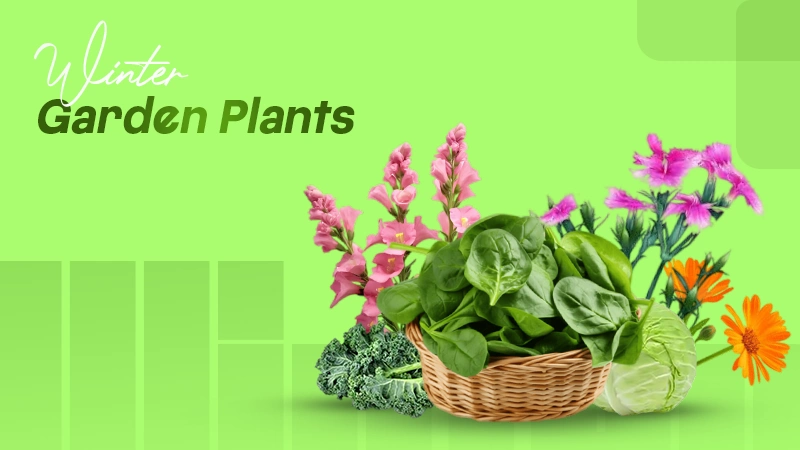
Make sure you have an abundance of plants that will bloom at different times, so your garden will have the illusion that it’s alive each season.
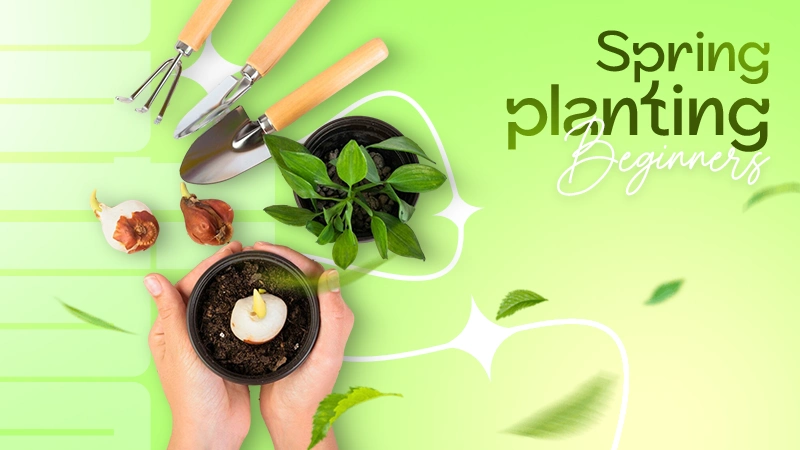
- Spring bulbs for early color
- Summer perennials for mid-season impact
- Autumn foliage to grow interest
- Evergreens for winter structure
A garden with staggered bloom times and foliage transformation feels alive through every season.
Watering and Irrigation That Works Smarter
Water is the lifeblood of a garden; however, due to climatic conditions, like very warm summers and fluctuating rainfall amounts, proper water management remains the biggest task or challenge a gardener must face.
Group by Water Needs
Planting species with similar watering requirements together makes irrigation effortless. This eliminates a typical problem in mixed beds: with some plants getting too much water and others are not enough.
Drip Irrigation for Precision
Drip systems supply water directly to roots with minimal waste. Using mulch with these items works well because mulch reduces evaporation and keeps most moisture contained at the soil surface.
This combination promotes healthy root growth and minimizes the frequency of watering sessions needed throughout the year.
Addressing Common Garden Challenges
Even the most thoughtfully planned gardens face issues. Knowing the common things that cause problems can help you identify them at the earliest point and help your space stay healthy.
Weeds
Using mulch is the highest quality organic means of protecting against weeds by blocking sunlight and reducing the ability of weed seeds to germinate. But when weeds do appear:
- Before seed sets, pull them early
- Use shallow cultivation to preserve roots of nearby plants
- Replenish mulch where needed
Pests and Disease
Attracting good insects, such as ladybugs and lacewings is a key part of creating a durable garden. Good airflow and spacing also reduce fungal diseases. Regular observation helps you catch issues early, preventing larger outbreaks.
Soil Fatigue
Over time, nutrient depletion can occur. While mulching preserves and supports existing soil life, adding compost or organic amendments helps rejuvenate tired soil.
Planning Seasonal Refreshes with Precision
Grass cutting, water scheduling, pruning are tasks with familiar garden rhythms. But less-obvious tasks like refreshing ground cover are just as critical for long-term health.
An accurate online mulch calculator will tell you exactly how much mulch your garden needs by area and by how deep. Tools like the mulch calculator help you plan materials efficiently without guesswork, so you order only what you need and spread it evenly for consistent coverage.
Garden Lighting and Decorative Details
Once the core design and maintenance elements are in place, minute decorative choices can elevate your garden to another level.
Consider Lighting
Low-voltage LED paths or uplights backyard shrubs add visual depth and make evening enjoyment a joy. Lighting also uplifts safety and highlights focal points in your garden design.
Decorative Elements
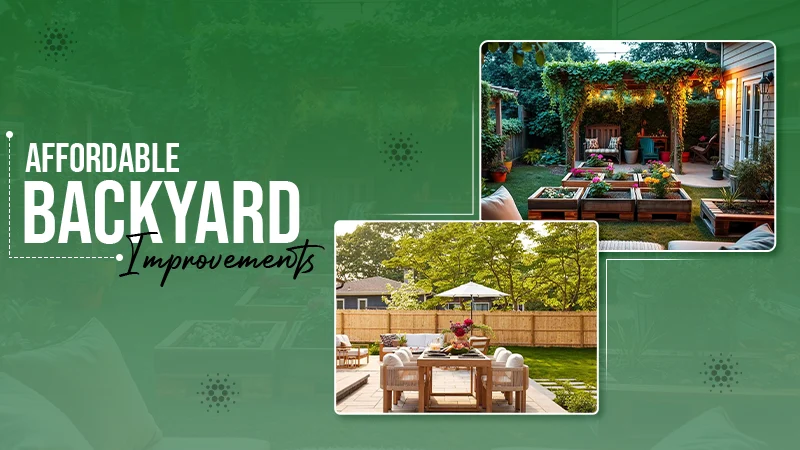
Garden birdbaths, art, and seating areas invite interaction. These features anchor spaces emotionally just like well-chosen mulch grounds a bed visually.
Final Thoughts: Gardens That Evolve With You
Whether you are building a garden from scratch or breathing new life into an existing landscape, a thoughtful approach feels rewarding on every level. By thinking about:
- Soil health
- Intelligent garden layout
- Smart irrigation
- Year-round plant choices
- Strategic ground covering
You can set up a space that not only looks beautiful but thrives with less stress and effort over time.
How deep does mulch need to be?
Two to three inches in depth are the right amount for moisture and to eliminate weeds.
When is the right time to plant?
Early spring to autumn would be the best time to plant so that you can get root establishment.
How can I eliminate weeds?
The best method is to put down a thick layer of mulch, and remove any small weeds that are growing before they produce seed.
Is it possible to overwater my garden?
Yes; always check the moisture content of the soil prior to watering your garden again.