Moving to a new home can be an exhilarating adventure filled with anticipation and joy, yet it also brings a fair share of anxiety and stress. The thought of how to effectively organize and package all your belongings can be overwhelming.
Will you manage to gather all the necessary items and ensure that everything is in its rightful place before the big day arrives? And if you’re experiencing a Manhattan moving situation, how are you going to take out all the furniture down the stairs and board it during a busy traffic day?
Lots of worries—even more to be concerned about, isn’t that right? However, the day has arrived, and procrastination is no longer an option. In this article, you will learn the tiniest tips that have the biggest impact and ease the day of moving in this article.
Let’s begin!
Key Takeaways
- Understanding ways to execute pre-move purge
- Exploring sustainable packing tips
- Uncovering the place preparation and moving strategy
- Decoding the creation of comfortable corners and unpacking things efficiently

1. Do a Pre-Move Purge Without Overthinking It
The easiest way to make moving day kinder to your sanity is to begin with less. There are fewer boxes, choices, and “Why is this still in my life?” moments when there are fewer things in the house.
- Start with the tiniest space you can manage. A drawer. A shelf. Even a single bag of “things to reconsider.”
- Keep two bags nearby as you sort: one for donations and one for recycling. The moment you hesitate over an item, let it go. If it’s still usable, dropping it at a Goodwill donation center is a simple way to give it a new life.
As the room starts breathing again, you’ll feel yourself breathe too. And that little boost of clarity naturally carries you straight into the next step.
Pro Tip
If you have children or pets, childproof the home by securing furniture, covering outlets, and installing safety gates.
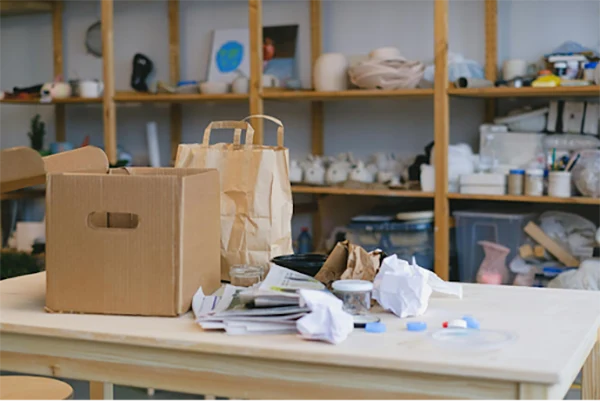
2. Pack Like Someone Your Future Self Won’t Curse
Once you’ve trimmed things down, packing becomes far less dramatic. Now that you can see what’s actually coming with you, pack with intention.
- Go room by room. This keeps categories clean and avoids the bizarre combinations that happen when exhaustion hits.
- Label everything as if you’re leaving helpful notes for a forgetful friend. “Kitchen – mugs + tea corner” is miles better than “kitchen stuff.”
- Put a basic “first-night box” aside. Think of your morning routine setup, along with sheets, towels, basic toiletries, chargers, and pajamas. While the rest of the place appears to be a cardboard forest, there is one box that allows you to function.
And after everything is taped and stacked, your gaze begins to stray to the minor imperfections in the old location that could be immediately fixed. eyes start wandering to the little flaws in the old place that could use a quick fix.
3. Fix the Small Stuff You’ve Been Ignoring
Half-empty rooms have a way of exposing every tiny imperfection you’ve lived with for years. A crooked cabinet. A scuffed wall. A handle that spins like it’s auditioning for a dance competition.
Most quick fixes take minutes:
- Fill nail holes.
- Wipe smudges.
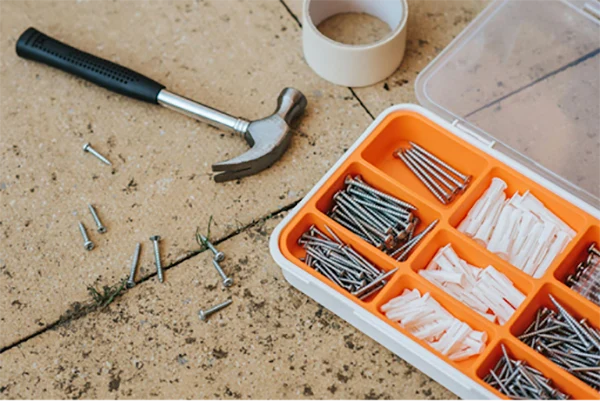
- Tighten loose screws.
- Straighten anything that somehow drifted off-center.
If you’re unsure how to do something, The Spruce has quick guides that save you from guessing. And once that’s done, the shift from “wrapping things up” to “starting fresh” becomes very real.
4. Prep the New Place Before Boxes Take Over
You will never have more ideas on interior design than the first time you step into your new, clean space. Professionals from Your Homify advise making a few possible furniture designs at this very moment.
- Give the rooms a quick clean so they feel like yours right away.
- Then walk slowly through each area. Look at the light, the corners, the outlets, and the natural pathways. Where does furniture make sense? Which wall works best for the sofa? Where will your morning routine live?
With the space feeling intentional, moving day becomes much easier to settle into.
5. Move With Strategy, Not Just Muscle
Good prep turns moving day into a system instead of a scramble. This is where strategy matters more than strength.
- Start by moving the big items first while the pathways are open. Keep communication clear with anyone helping you, mostly to avoid unwanted injuries. And choose a wide staircase, and make rests along the way.
- It is best to disassemble any furniture that is assembled. Just remember to store each screw and component in its own box marked “item parts XX.”
Once everything is inside, though, your brain will crave one thing above all else: calm. Which brings you naturally to the next step.
6. Create One Comfortable Corner Immediately
Before you open a single random box, select one corner to make livable. It doesn’t need to be pretty. It just needs to exist.
Lay down a small rug or throw. Plug in a lamp. Set up your coffee or tea supplies. Maybe place a chair or cushion. This is your mental landing pad.
And with a grounded corner to return to, the rest of unpacking feels less like a battle and more like settling in.
7. Unpack in the Order Your Life Actually Works
Once you have a calm corner, you can unpack without spiraling. Begin with the rooms that support your daily rhythm. Bathroom first, bedroom second, kitchen third. Your life runs smoother when those three function early.
Now it is also the perfect moment to find the things to fix first, if there are any.
Then, unpack in layers, beginning with the essentials from your first-night box.
Everything else when you feel like it. Pull out five things from a box if a full box feels overwhelming. Five is progress, and progress compounds.
And don’t be surprised if a few more items end up in a “donation” pile during this stage. Moving always reveals what actually matters.
8. Let the New Space Find Its Shape
As you settle in, the apartment will start telling you how it wants to be used.
Perhaps the window reading chair is more comfortable.
The opposite wall might be a better fit for the kitchen cart.
Maybe you realize you don’t need that extra table after all.
Let the space grow slowly. Homes feel best when they evolve with your routines, not when you force them into perfection in one weekend.
FAQ
What should you do first when you move into a new house?
Change the locks and install the security systems.
What is the first thing to bring into a new house?
When moving to a new house, pack a “first day” essentials box with cleaning supplies, toiletries, basic kitchenware, chargers, a few changes of clothes, and basic medicine.
What is the hardest room to pack when moving?
The kitchen is often the hardest room to pack when moving because it contains many breakable items.