Renovating your home is an exciting and challenging endeavor. Whether you’re revamping a single room or tackling an entire property, the process involves countless decisions, from selecting materials to finalizing color palettes. A successful renovation is about enhancing functionality, maximizing comfort, and increasing the value of your home. A clear and thoughtful design plan can help you avoid costly mistakes and ensure that your vision aligns with your budget and lifestyle. In this blog post, we’ll walk through six important design tips that can guide you through your next home renovation project with confidence and creativity.
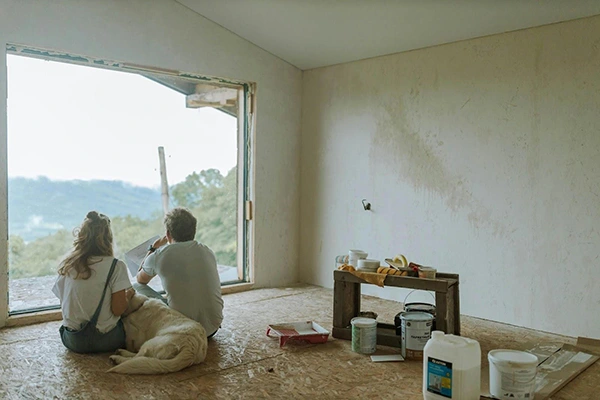
Start With a Clear Vision and a Realistic Budget
Before diving into demolition or shopping for tiles, take the time to define what you want to achieve with your renovation. Are you improving functionality, increasing resale value, or simply refreshing outdated decor? Clarify your goals and list the areas you want to address. From there, establish a budget that reflects the scope of work and allows for unexpected expenses. A common recommendation is to set aside 10–20% of your budget for unforeseen costs. Having a clear vision and budget helps keep your project on track and prevents impulsive decisions that may derail your financial plan or compromise your design goals.
Choosing the Right Professionals for a Seamless Renovation
When it comes to home renovations, choosing the right professionals is just as important as selecting materials or finalizing layouts. Skilled contractors, experienced designers, and reliable project managers ensure that your vision is executed properly, on time, and within budget. Clear communication and mutual trust are the foundations of a smooth renovation process. Collaborating with professionals like Long Island Home Remodeling Experts in the middle of the planning phase can help you identify potential issues early and suggest design improvements that fit your goals. The right team can turn even the most complex renovation into a manageable and rewarding project with long-lasting results.
Think About Functionality First
A home that looks great but doesn’t function well will quickly become a source of frustration. That’s why it’s crucial to prioritize functionality in your design choices. Consider the flow of the space, storage needs, and how each room will be used. For example, if you’re renovating your kitchen, make sure work zones are logically placed and that there’s adequate counter space. In bathrooms, think about ventilation, moisture resistance, and practical layouts. Good design starts with how a space serves you and your family, not just how it looks. Functionality ensures that your renovated home continues to meet your needs for years to come.
Invest in Quality Where It Counts
When working within a budget, it can be tempting to choose cheaper materials or cut corners on craftsmanship. Investing in quality in key areas can save you money in the long run. Focus your spending on high-impact features like flooring, cabinetry, and fixtures that receive daily use. Quality materials tend to last longer, require less maintenance, and elevate the aesthetic of your space. Areas like decor, accessories, or even some lighting can be upgraded gradually or replaced more affordably. Make smart investment decisions by prioritizing durability and long-term value over short-term savings.
Balance Trends with Timeless Design
It’s easy to get swept up in the latest design trends, but remember that styles come and go. While incorporating current aesthetics can make your home feel fresh and modern, grounding your design in timeless principles ensures that your renovation won’t feel dated in just a few years. Neutral color schemes, natural materials, and classic silhouettes are all great foundations for a lasting design. If you’re eager to include trendy elements, do so in areas that are easy and inexpensive to update, such as paint colors, light fixtures, or textiles. A balanced approach allows your renovation to feel contemporary and enduring.
Maximize Natural Light and Smart Lighting Solutions
Lighting plays a crucial role in how a space looks and feels, but it’s often overlooked in renovation plans. Maximizing natural light through the strategic placement of windows, skylights, or glass doors can dramatically enhance any room. For spaces where natural light is limited, focus on layering artificial light sources, such as ambient, task, and accent lighting. Use dimmers and smart bulbs to adjust lighting according to mood or time of day. Thoughtful lighting design can highlight architectural features, improve functionality, and create a welcoming atmosphere. Don’t underestimate how much lighting can transform the success of your renovation.

A home renovation is a significant investment, but with thoughtful planning and design, it can yield a highly rewarding transformation. From setting a realistic budget and prioritizing function to investing in quality and embracing timeless design, each decision you make will contribute to a space that reflects your lifestyle and personality. Let these design tips guide your process, helping you avoid common pitfalls and ensure that your renovation delivers beauty and practicality. Whether this is your first project or your fifth, a strategic approach can make the journey smoother, and the results even more satisfying.