

Your heat pump quietly drains money while you sleep, and most homeowners have no clue. Skip maintenance for just one year, and your energy bills jump 15-20%. Miss two years? You’re staring at equipment failure that costs thousands to fix.
The HVAC industry loves selling expensive “premium maintenance plans” while hiding the actual secrets to heat pump longevity. Most of what you need to do takes 30 minutes every few months and costs almost nothing.
Here’s what separates homeowners with heat pumps that last 20+ years from those calling for expensive repairs every winter: they know which maintenance tasks actually matter and which ones are just marketing nonsense.
Why Most Heat Pump Maintenance Advice Misses the Mark
Walk into any HVAC shop, and they’ll hand you a maintenance checklist longer than your grocery list. Half of it is unnecessarily busy work designed to sell you services you don’t need.
The truth? Heat pump maintenance boils down to three things: airflow, cleanliness, and catching problems early. Get these right, and your system will outlast your mortgage. Screw them up, and you’ll be shopping for a replacement in five years instead of fifteen.
Most homeowners focus on the wrong things because that’s what the industry pushes. They obsess over refrigerant levels (which rarely change unless there’s a leak) while ignoring clogged filters that kill efficiency month after month.
Real heat pump maintenance targets the problems that actually kill systems: blocked airflow, dirty coils, and small issues that turn into major failures when you ignore them.
The difference between DIY work and professional service isn’t how hard it is; it’s knowing what to look for and when to stop before you break something.
Good heat pump condensers from places lik HVAC Store are built to last decades with proper care, but even the best equipment fails without attention to these basics.
The Monthly Tasks That Actually Matter
Forget complicated maintenance schedules. Focus on these monthly basics that prevent 90% of heat pump problems:
- Filter changes come first. Every 30-60 days, no exceptions. A $3 filter saves hundreds in repair costs and keeps your system running efficiently. Cheap filters work fine; the expensive “premium” ones often restrict airflow more than they help.
- Outdoor unit clearance matters more than most people think. Keep two feet clear on all sides, but don’t obsess over every leaf that falls near the unit. The coils need airflow, not a perfect environment.
- Thermostat reality checks prevent expensive service calls. If your house feels comfortable and the system isn’t cycling constantly, your thermostat is probably fine. Don’t mess with it constantly; pick a temperature and stick with it.
According to heating experts at Sky Heating, “Heat pump maintenance can improve energy efficiency by as much as 25%” when performed correctly and consistently.
The monthly tasks take less time than checking your tire pressure and prevent more expensive problems than most car maintenance. Skip them, and you’ll pay for it in higher bills long before the system actually breaks.
Seasonal Deep Cleaning That Prevents Breakdowns
Twice per year, in spring and fall, your heat pump needs deeper attention. This isn’t complicated work, but it catches problems before they become expensive emergencies.
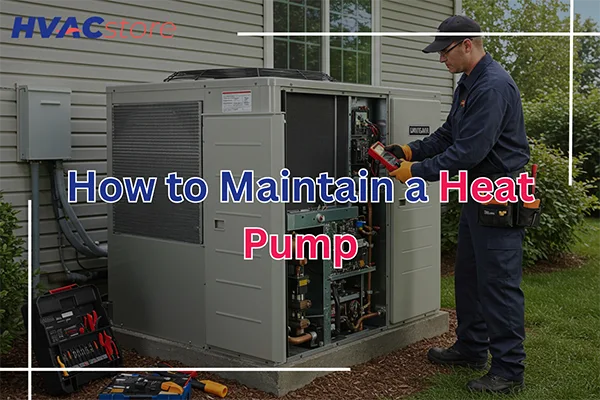
- Spring prep means cleaning the outdoor coils gently with a garden hose (not a pressure washer that bends fins) and checking for winter damage. Look for bent coils, damaged refrigerant lines, or debris that worked its way into the unit.
- Fall prep focuses on clearing drainage and checking indoor components. Clean the condensate drain, replace any worn weather stripping around the outdoor unit, and make sure nothing blocks airflow.
- Ductwork inspection should happen annually, not every service call. Look for obvious leaks, sagging sections, or disconnected joints. Most ductwork problems are visible without crawling through your attic.
For homeowners considering system upgrades, a heat pump furnace can provide better efficiency and dual-fuel capability for harsh winter climates. Don’t get caught up in perfectionism. You’re looking for obvious problems, not performing scientific equipment analysis. If something looks wrong or sounds different, that’s when you call a professional.
Warning Signs Your Heat Pump is Crying for Help
Your heat pump tells you when it’s struggling; most homeowners just don’t know the language. Learn these warning signs, and you’ll catch problems while they’re still cheap to fix.
- Temperature problems mean airflow issues 80% of the time. Before calling for service, check your filters, make sure vents aren’t blocked, and verify the outdoor unit isn’t buried in leaves or snow.
- Strange noises usually indicate loose components or worn parts. Grinding sounds mean bearings are failing. Squealing suggests belt problems. Banging could mean ice buildup or debris in the fan.
- Higher energy bills without increased usage point to efficiency loss. This happens slowly, so compare bills from the same month last year, not last month.
- Constant cycling means your system is struggling to maintain temperature. Could be dirty filters, low refrigerant, or a failing component working overtime to make up for it.
For special applications, PTAC heat pump systems offer zone-specific control but require different maintenance than central heat pumps. The key is addressing these signs early. What costs $200 to fix today may become a $2,000 replacement tomorrow when you ignore it.
DIY Maintenance vs Professional Service: Where to Draw the Line
You can handle 70% of heat pump maintenance yourself with basic tools and common sense. The other 30% requires professional knowledge and equipment; trying to do it yourself causes more damage than it prevents.
DIY-friendly tasks include filter changes, outdoor unit cleaning, visual inspections, and basic troubleshooting. These are low-risk activities that save money without risking equipment damage.
Professional-only territory includes refrigerant work, electrical repairs, internal component replacement, and diagnosing complex performance issues. Don’t mess with refrigerant lines, electrical connections, or anything requiring special tools.
| Maintenance Task | DIY-Friendly | Professional Required | Risk Level |
| Filter replacement | ✅ Easy | ❌ | Low |
| Outdoor unit cleaning | ✅ Simple | ❌ | Low |
| Refrigerant check | ❌ | ✅ Required | High |
| Electrical inspection | ❌ | ✅ Required | High |
| Coil cleaning (internal) | ❌ | ✅ Recommended | Medium |
| Performance diagnostics | ❌ | ✅ Required | Medium |
The money-saving sweet spot is doing the simple stuff yourself while building a relationship with one reliable HVAC contractor for the complex work. This approach cuts maintenance costs in half while getting professional oversight when it matters.
Most homeowners either try to do everything themselves (and break things) or pay professionals for tasks they could easily handle. Find the middle ground, and your maintenance costs drop big time.
When Professional Help Becomes Mandatory
Some heat pump problems require immediate professional attention. Trying to fix these yourself costs more money and risks safety.
- Call immediately if you smell gas, see refrigerant leaks, notice electrical burning odors, or the system stops working entirely. These aren’t DIY troubleshooting opportunities; they’re safety issues.
- Schedule professional service when energy bills spike unexpectedly, the system can’t maintain comfortable temperatures despite clean filters and clear outdoor units, or you hear grinding, banging, or squealing noises that don’t stop.
- Annual professional inspections catch problems you can’t see or don’t know to look for. A good technician checks refrigerant levels, electrical connections, internal component wear, and system performance metrics that require specialized equipment.
- Red flags that indicate immediate service needs: ice buildup on coils during moderate weather, frequent circuit breaker trips, visible damage to refrigerant lines, or performance that’s dramatically worse than last year despite proper maintenance.
Working with established suppliers like HVAC Store connects you with qualified service networks that understand proper installation and maintenance for quality equipment.
Professional service isn’t about paying for things you could do yourself; it’s about accessing knowledge and equipment that prevents expensive mistakes.
Cost-Effective Maintenance Planning
Smart heat pump maintenance strikes a balance between DIY efforts and professional service, minimizing long-term costs while maximizing system life.
- Budget around $150-200 annually for professional maintenance if you handle the basics yourself. This covers one thorough inspection and any minor adjustments or cleaning that requires special equipment.
- DIY maintenance costs run about $50-75 per year for filters, cleaning supplies, and basic tools. This investment saves hundreds in premature repairs and thousands in early replacement costs.
- Maintenance plans make sense if you’re uncomfortable with any DIY work or prefer having everything handled professionally. Expect to pay $200-400 annually for comprehensive plans that include parts and labor.
- The biggest money-saver is consistent attention rather than expensive service. A $3 filter changed monthly prevents more damage than a $300 emergency service call to fix what neglect caused.
Track your heat pump’s performance and maintenance history. This information helps technicians diagnose problems faster and provides valuable data for warranty claims or insurance issues.
Keep Your Heat Pump Running Like New
Stop treating heat pump maintenance like rocket science. Focus on airflow, cleanliness, and early problem detection. Handle the simple tasks yourself, and build a relationship with one reliable professional for everything else.
Your heat pump will reward consistent basic care with years of reliable service and lower energy bills. Skip maintenance, and you’ll pay for it in repairs, higher utility costs, and premature replacement.
The choice is simple: spend a little time and money on maintenance now, or spend a lot more on repairs and replacement later.
How often should I change my heat pump filter?
Every 30-60 days, depending on usage and household conditions. Homes with pets, smokers, or high dust need monthly changes. Clean homes can often stretch to 60 days safely.
Can I clean my heat pump coils myself?
Outdoor coils can be gently cleaned with a garden hose, but indoor coils require professional cleaning. Never use pressure washers or harsh chemicals that damage delicate fins.
What temperature should I set my heat pump thermostat?
Pick a comfortable temperature and leave it alone. Constant adjustments make the system work harder and increase energy costs. 68-70°F works for most homes.
How do I know if my heat pump needs professional service?
Call for service when energy bills spike unexpectedly, temperatures become inconsistent despite clean filters, or you hear unusual grinding, banging, or squealing noises.
Is annual professional maintenance really necessary?
Yes, for complex tasks like refrigerant checking, electrical inspection, and performance optimization. Professional service catches problems DIY maintenance misses and maintains warranty coverage.