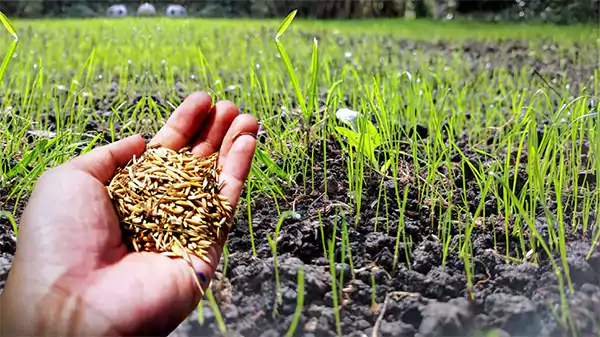
Planting grass seeds always fills me with excitement and joy as I get to create a fresh, green space from scratch. Isn’t it fascinating?
I personally believe in keeping the process simple, so I focus on the steps that truly matter – choosing the right season, preparing the soil, sowing the seeds, and providing them with ideal growing conditions.
While I was on my quest to explore how to plant grass seed, I came across many beginners seeking answers to how to plant grass seed on different community boards. Hence, I have decided to jot down some practical steps that I followed.
Join me in exploring this simple guide to achieve a lush green front lawn!
How to Plant Grass Seed?
While planting grass seed, I mainly focus on creating a solid foundation, so my lawn grows thick, bushy grass. The process requires patience, but good preparation and careful planning can determine success.
By choosing the right season, preparing the soil accordingly, using the best-quality seeds, and carefully sowing them, I ensure that my grass has strong roots and grows beautifully over time.
Additionally, below, I have provided a step-by-step guide that I personally followed to expand the green space around my home.
When is the Best Time to Plant Grass Seed?
The season you choose to sow the seed is directly proportionate to the success of the grass. I prefer early spring or early fall. The soil stays warm, and the temperature is also mild, helping the seeds to germinate faster.
Choosing the right season ensures that the seed receives favorable conditions for growth. Ensure that the seeds get enough time to grow and establish before the frost kicks in.
The best time to plant grass seed depends on the region you live in and the type of grass seed you wish to sow.
Level the Ground and Prepare the Site
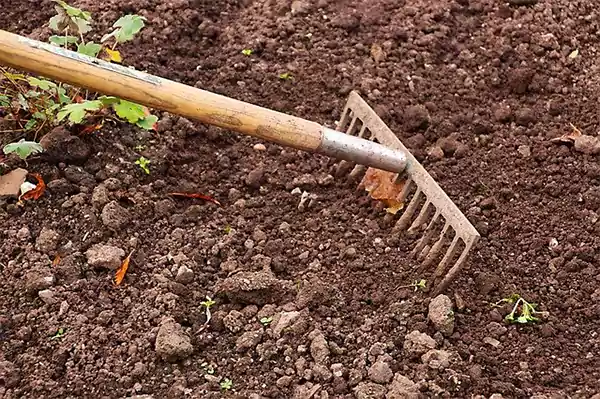
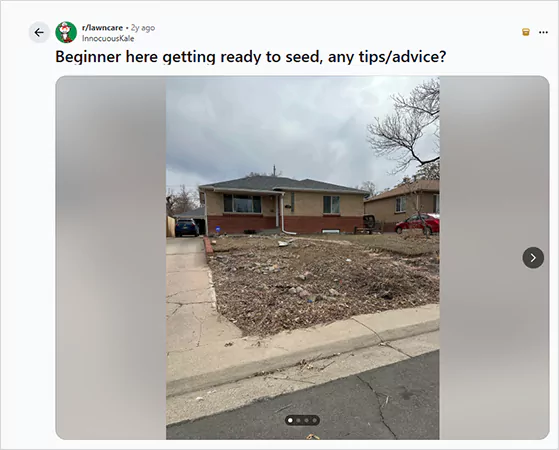
While I was doomscrolling on Reddit and other community forums, I noticed many novice garden lovers seeking answers to: How to amend the soil before planting grass seeds.
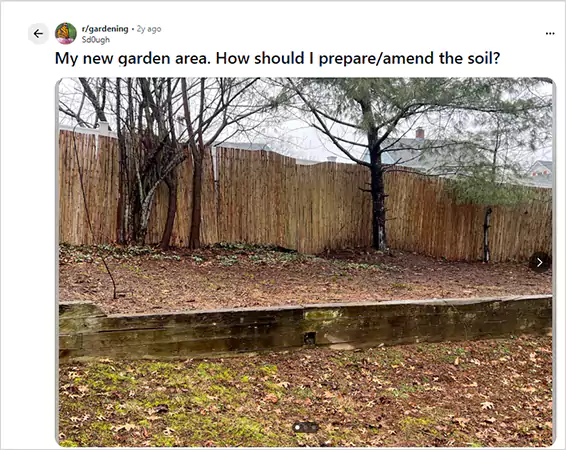
If you wish to have an attractive, healthy-looking lawn, examining the site and preparing it before you sow the seeds is essential. I make sure to clean the ground by removing stones, debris, and weeds.
Furthermore, soil preparation not only improves the soil structure but also enhances water retention, aeration, allowing the roots to grow deeper and stronger.
You can also consider loosening the top 2–3 inches of soil using a rake. If needed, mix a soil improver and leave for a day to enrich the ground with essential nutrients.
Prepare the Soil For Successful Seed Germination
It is essential to check the pH level of the soil and turn it into a healthy, thriving soil for successful seed germination. The better the base, the better the results.
Once you have mixed the health boosters in the soil, it is time to level the ground. A flat, even surface helps in seed spread, and the grass also grows evenly.
Heavy or sandy soil can affect the grass and the overall health of the lawn. Be sure to use a well-draining soil type that maintains proper air circulation for the grassroots.
Choose the Best Quality Seed for a Lush Green Lawn
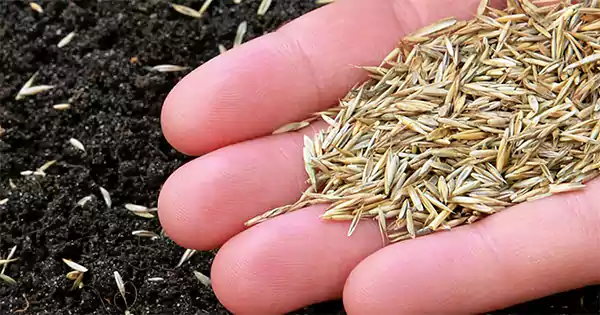
Choosing the best quality plant seeds is important as it ensures better germination, faster growth, and a lush green lawn. It is essential to note the climatic and growing conditions of your area before purchasing seeds.
Quality seeds are used to create lawns that are resilient and can recover faster from any future wear and tear. Check how the lawn will be used and buy the seeds accordingly.
You can also opt for a good-quality seed mix depending on the area you live in. Cheaper seeds are not usually the original grass seeds, and you will end up growing rye grass or weeds.
Spread the Seeds and Plant Them Carefully
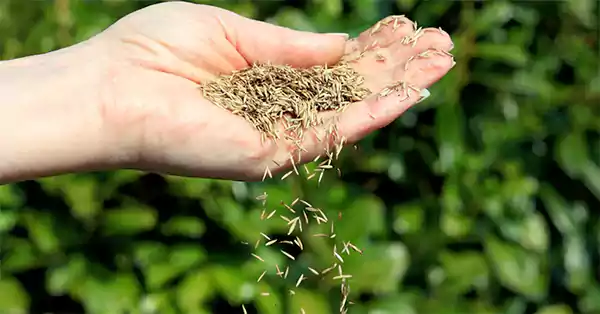
Once the soil is prepared and the surface also feels smooth, it is time to evenly spread the seeds and plant them. Before seeking answers on how to plant a grass seed or how to sow a seed, it’s important to understand the benefits of spreading the seeds evenly.
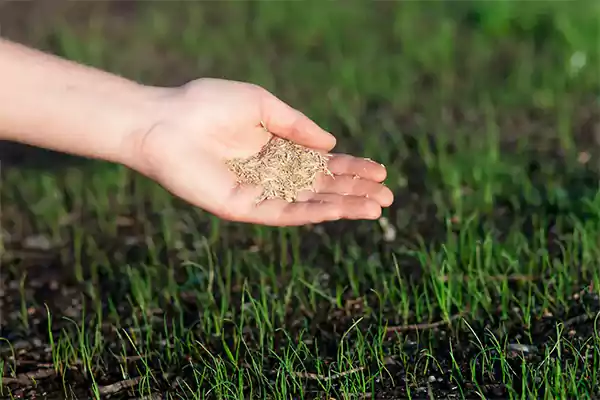
If you wish to have a uniform, healthy, and lush lawn, consider sowing the seeds at an even distance. You can either choose a non-windy day to complete the procedure manually or consider buying a seed spreader.
Always adhere to the application rate given on the back of the seed packet and plant them accordingly to avoid overcrowding. Leaving too much space can also make your lawn susceptible to weeds.
Water the Seeds Appropriately
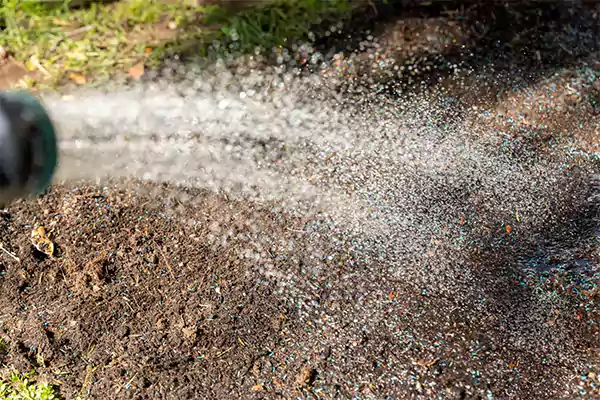
Once you are done with sowing the seeds, the next most important step is to carefully water them for optimal results. The grass seeds and seedlings need consistent moisture. Make sure you do not overwater the ground, and make it soggy.
Appropriate watering is important as it activates the right enzymes and initiates the growth process. Consistent moisture helps the grass to develop a strong root structure from the very beginning.
Young seeds or seedlings will die if the soil dries out. Water the newly seeded areas at least twice or thrice a day to keep the soil evenly moist. Adjust the frequency if you see puddles on the surface of the ground.
Monitor Seed Establishment and Inspect Regularly
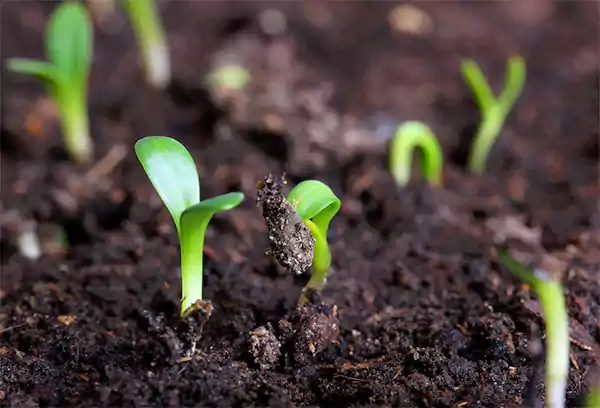
Monitoring the grass seeds not only allows you to acknowledge your efforts but also helps you in identifying any issues during the initial stages. To understand how long does grass seed take to grow, regular inspection is important.
It helps you in understanding the right time for activities like irrigation, fertilization, or mowing. You can also determine the rate at which the seeds sprout, focusing on the health of the seedling.
Monitoring the process also means understanding the quality of the growth during various stages and how environmental conditions tend to affect the growth.
Once your grass reaches a height of 3–5 inches, it is time to mow. It is advisable to remove only one-third of the grass blade to avoid putting stress on the roots. Initially, the ground will look patchy, but once new growth appears, the gaps will fill automatically.
Conclusion
Planting grass seed feels extremely satisfying to me, as I get to see my lawn change a little bit every day. By simply following the right steps, one can witness lush green space in no time. If you are also planning to build your own front lawn from scratch, patience, good preparation, and adequate watering are the key steps.
I hope this guide helps you feel a bit confident about your lawn project. More than anything, learning how to plant grass seed shows that gardening requires patience!
FAQs
What is the best way to plant grass seed?
The best way to plant grass seeds is by choosing the right season, preparing the soil, purchasing good-quality seeds, sowing them carefully, and providing them with appropriate moisture.
Can you simply toss the seeds on the ground to grow grass?
While simply tossing the seeds on the ground may sometimes work, it will not give you a healthy, lush garden. The seeds will not get proper nutrition, and the space can also look patchy. It is ideal to prepare the soil and sow the seeds carefully.
How long does it take for grass seed to grow?
Although the time taken by the grass seed to sprout depends on the species, it usually takes 10–15 days for the seed to turn into a seedling and reward you with lush grass.
How to grow grass without using seeds?
You can grow grass without seeds by planting sods or sprigs, which are small pieces of grass with roots. Though it is expensive, it is mostly used to create an instant green space. Plant sprigs are more affordable than sods.