Did you know? A significant portion of home renovation waste comes from inefficient management and lack of recycling, with estimates suggesting it can be as high as 30% of the total weight of materials on a building site, according toScienceDirect.com.
Starting a home renovation is a thrilling process of change, but it often has an unattractive counterpart: a significant amount of waste. Handling waste correctly is not only a practical consideration, but also a vital part of your project staying on track—safely, and with respect to your budget and the environment.
As a homeowner myself, I’ve realized that with careful considerations from the very beginning, you can take the worry out of managing renovation waste. That’s why, through this blog post, I’m going to tell you some important factors and personal tips to effectively deal with this issue.
Let’s begin!
Key Takeaways
Understanding the use of professional rubbish removal services
Looking at the ways to start with a waste management plan
Discovering council rules and regulations
Keeping the site clean as you go
Recycling and handling waste management
Use Professional Rubbish Removal Services
I know when the piles of demolition debris and packaging start to become overwhelming. A professional rubbish removal service like 1300 Rubbish may improve your schedule and sanity to manage things. They don’t perform duties of just loading or unloading waste; they also offer manpower and expertise to haul household waste quickly and safely.
Interesting Facts It’s estimated that construction waste can make up as much as 30% of the total weight of building materials delivered to a site, notes ScienceDirect.com.
Start with a Waste Management Plan
Before the initial wall falls, your most impactful step can be to create a simplified waste management plan. I consider this a roadmap for your rubbish: this plan outlines how you will manage the varying types of materials associated with your project. Your plan does not need to be complicated; it can start simply by identifying the steps.
Know Your Local Council Waste Regulations
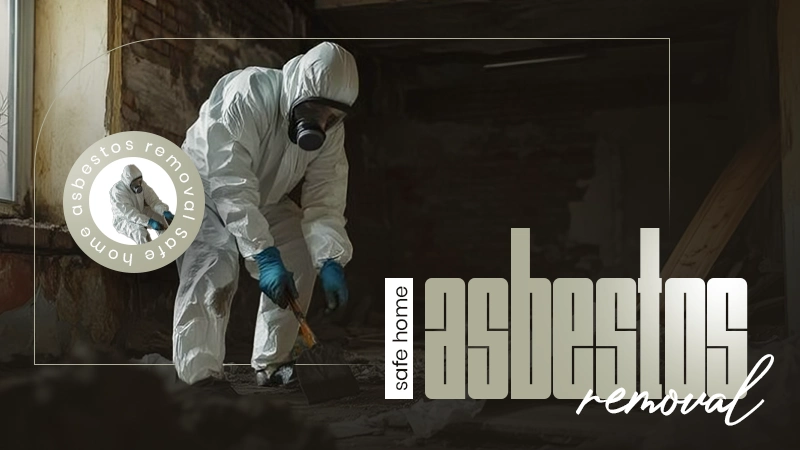
Understanding the requirements of your local council is a very crucial, yet often neglected, component of responsible waste management. What I’ve noticed from my experience is that each council has its own rules regarding waste disposal as it relates to renovation projects in particular, when dealing with hazardous or difficult waste (e.g., asbestos, chemicals, or e-waste).
However, if you think of ignoring or denying these rules, you could be fined quite heavily and harm the environment.
Intriguing Insights
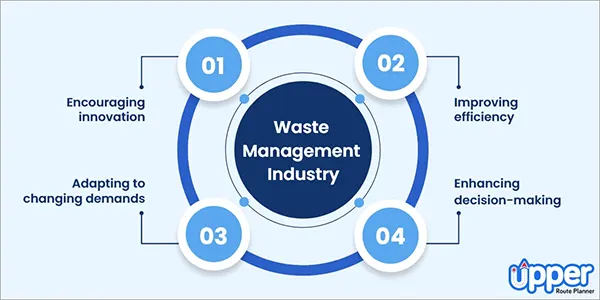
This infographic shows the core elements of waste management
Use Skip Bin Hire for Bulk Waste
If you are renovating and creating a large volume of waste, hiring a skip bin is one of the most time-saving and effective solutions you can find. Hiring a skip that is onsite resolves the waste issue as and when it is produced, keeping your property clean and reducing the possibility of accidents occurring.
For me, the key to making good use of a skip is understanding the importance of sizing for the job—too small a bin will require multiple hires, and too large a bin is a waste of money and space.
Recycle Building Materials
In my opinion, much of renovation waste could be diverted from a landfill since many materials can be recycled or reused—not just untreated timber or metals, but also concrete, building bricks, and even fixtures like doors or cabinets, ultimately minimising your environmental impact.
Taking the time to sort those materials while on the job site is an incredibly worthwhile option for both the environment and your budget.
Handle Hazardous Waste Safely
In the midst of the typical rubbish generated by a renovation, it is essential to find and segregate hazardous waste that cannot be disposed of in a normal way. The typical hazardous items include: old paint cans, solvents, adhesives, batteries, fluorescent light bulbs, and anything that might contain lead or asbestos.
Improper disposal of such hazardous materials through regular trash or landfill poses serious threats to human and environmental health.
Keep the Site Clean as You Go
According to me, one of the most effective strategies for managing renovation waste is also the simplest: clean as you go. Rather than allowing debris to accumulate into an overwhelming mountain, make it a standard practice to end each workday with a quick sweep and waste sort.
Timing of Waste Removal
To conclude this segment, I just want to say that timing matters the most and provides the best results and rapid cleaning. Rather than waiting for the entire area to get cleaned, you can look for key areas of rubbish and start arranging those places first.
This phased execution helps the workers to get more space to redefine their old spaces without filth. If you still have some doubts, make sure to go through this blog post carefully and keep striving for more such content!
Frequently Asked Questions
How would you manage your waste at home?
For extensively managing waste from homes, you can follow the “Reduce, Reuse, Recycle” hierarchy by first reducing the amount of waste you produce through mindful purchasing and avoiding single-use items
What are the 5 methods of waste disposal?
The five major methods include Landfilling, which involves burying waste in large, lined pits; Incineration, the controlled burning of waste to reduce its volume; Composting, the biological decomposition of organic materials into soil fertilizer; Recycling, the process of converting waste materials into new products; and Waste-to-Energy, which generates energy from waste materials.
What are some ways to reduce waste at home?
To achieve waste reduction, adopt practices like using reusable bags, bottles, and food containers, buying foods with minimal packaging, composting food scraps, and opting for paperless bills. Plan meals to avoid food waste, invest in durable or secondhand items.