

Renovating a house begins with the foundation. Most people don’t consider the floor to be anything more than a plain walking surface. With the correct strategy, you can transform those uninteresting spaces into a visually arresting design element.
Every so often, all it takes to change the appearance of your house is a few clever flooring upgrades. Tiny changes have a big impact on how a room feels overall.
You can create the illusion of expensive floors without spending a whopping $1,000. Your interior design is completely transformed by a well-considered layout or material selection.
In this article, we are going to understand how small adjustments create a massive impact on the overall feel of a room, and how a thoughtful choice in material or layout changes everything for your interior design.
Let’s begin!
Key Takeaways
- Understanding the exclusivity of geometric wood patterns
- Exploring how to focus on tactile textures
- Looking at the ways to bend multiple materials
- Uncovering the advantages of layering for depth
Embrace Geometric Wood Patterns
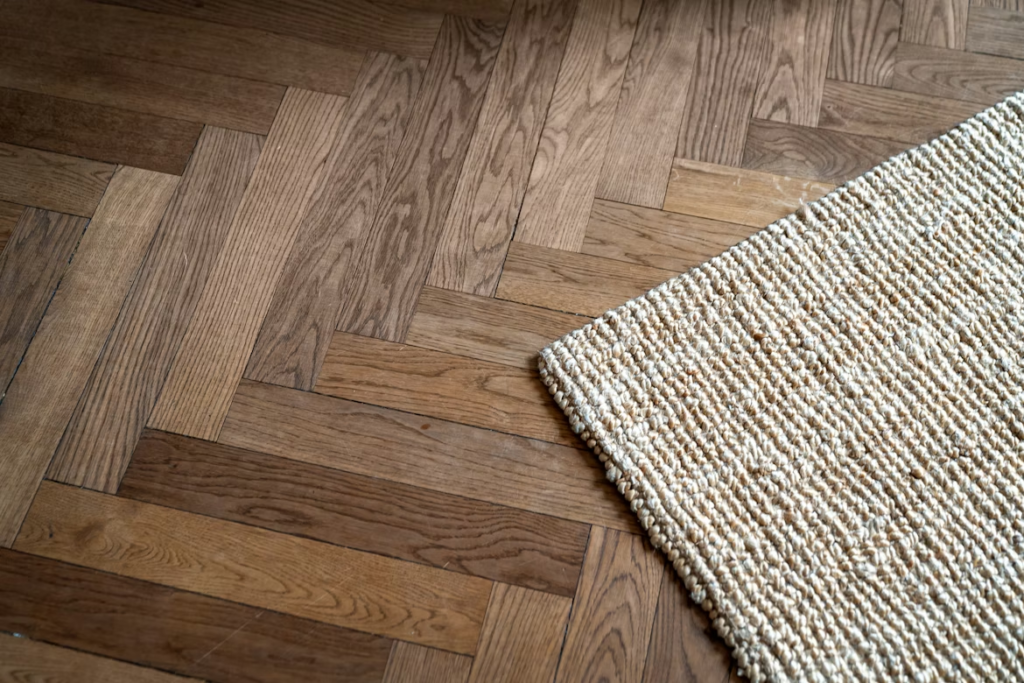
Standard plank layouts are common in many modern homes. Geometric wood patterns like chevron and herringbone are increasingly popular among homeowners, according to a recent article. These forms give a space a feeling of motion. During the day, they catch the light in various ways.
Choosing a pattern makes the floor feel like a custom piece of art rather than a basic building material. Wood grains look unique when they meet at angles – this provides a level of detail that straight lines cannot match.
Geometric floors work well in hallways or entryways where you want to make a strong first impression. You can use these patterns to lead the eye toward other architectural features in your house.
Interesting Facts
Installing new, high-quality flooring can bring a 70% to 80% return on investment (ROI), with some, like high-quality hardwood, offering up to 147% cost recovery.
Focus on Tactile Textures
Texture plays a big role in how a room feels underfoot. One design blog noted that sculpted and striated textures are taking center stage in current interior styles. These organic matte finishes offer a sophisticated look that shiny surfaces lack.
You get a rich visual experience that works well in quiet living areas. Matte ceramic tiles provide a grounded feeling that pairs perfectly with modern furniture. Rougher textures help hide small bits of debris or footprints.
They are practical for busy families who want style without constant cleaning. These materials bring a touch of nature inside the house. Choosing a textured tile can prevent a large room from feeling too cold or sterile.
Master the Rug and Carpet Balance
Selecting the right base for your furniture defines the boundaries of a living space. Rugs like those by Rug & Carpet provide comfort and tie different design elements together in a cohesive way. Large area rugs protect hard surfaces and add a layer of warmth.
Finding a piece that fits the dimensions of your room prevents the area from looking cluttered. Proper placement helps ground heavy items like sofas or dining tables. Soft textures under your feet make a room feel more inviting.
You can switch these items out easily if you decide to change your color scheme later. Investing in a durable material ensures your floor remains a focal point for many years.
Blend Multiple Materials
Mixing different types of flooring creates a unique transition between rooms. Some industry experts suggest blending parquet and tiles with irregular geometries to create a smooth visual passage.
Hexagons and rhombuses allow for a staggered look that feels natural. This technique removes the need for sharp metal transition strips. It allows two distinct zones to flow into each other without a jarring break.
You can use wood in the living area and transition into tile near the kitchen. The overlap creates an artistic edge that looks modern and intentional. Guests will notice the effort put into these seamless details. Using a mix of 3 or 4 different shapes adds even more interest to the transition area.
Layering For Depth
You do not have to stick to just one floor covering in a large room. An interior guide explained that layering rugs on top of carpet is a creative way to add dimension and softness. This method works well for covering up old stains or worn patches.
You can mix different materials like jute and wool to build a cozy environment. Using two layers adds a plush feel that improves the acoustics of your home. It stops echoes in rooms with high ceilings.
Consider these benefits of layering:
- Softens the impact of footsteps on hard floors.
- Introduces a second color to a neutral room.
- Protects high-traffic areas from excessive wear.
- Allows for seasonal updates without moving heavy furniture.
- Adds a sense of luxury to a bedroom or nursery.
Select Bold Graphic Designs
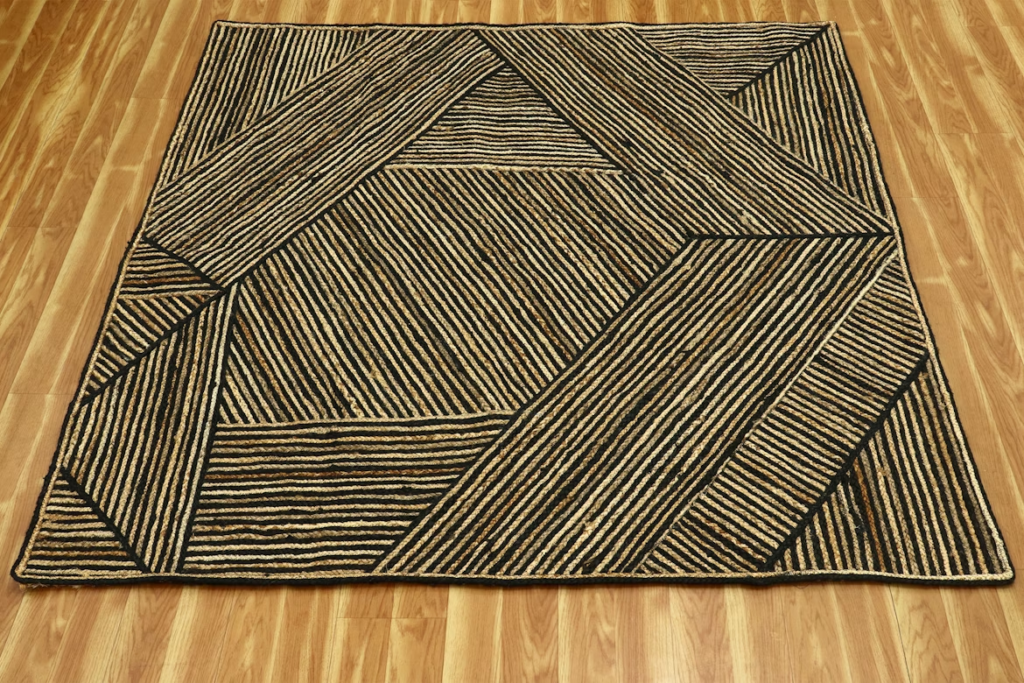
Neutral tones have been popular for a long time, but trends are shifting toward more daring looks. A design publication mentioned that graphic patterns are now more popular than the faded or distressed styles of previous years.
Sharp lines and clear shapes make a strong statement in small spaces like hallways. These designs draw the eye downward and make the floor a conversation piece. Vibrant prints look best when the rest of the decor is kept simple.
By using a graphic floor, you can maintain the neutral color of your walls. It keeps the space balanced without being overpowering. You can find these patterns in vinyl, tile, or even painted wood.
Your floor is the foundation of your home design. Selecting the right patterns and materials transforms a boring room into a stylish sanctuary. You have many options to express your personality through your choice of flooring.
From bold graphics to soft layers, every detail matters. Take your time to find the right combination for your lifestyle. A beautiful floor makes every other piece of furniture look better. Enjoy the process of creating a space that feels uniquely yours.
Frequently Asked Questions
What are the most common things used as focal points in interior design?
Fireplaces are one of the most common focal points used in a room.
What is the main purpose of using a focal point in interior design?
It allows you to create remarkable designs while avoiding common mistakes.
What is the 2/3 rule for living rooms?
The 2/3 rule for living rooms is a design guideline suggesting that key furniture or decor elements should occupy about two-thirds of the space they relate to.