

“As we evolve, our home should too.”
-Suzanne Tucker(Interior Designer)
Renovating your home could be a great thrill that puts a new life into where you belong, but everything comes with a caution.
Well, no matter what your plans are for renovation, plumbing holds a core in that idea.
So, here is a guide that will drive you to the 6 Plumbing Valve mistakes that you need to avoid to keep your renovation plans intact.
Key Takeaways
- Knowing the importance of valves.
- Understanding different types of valves
- Plumbing mistakes to avoid during home renovation.
Why Are Valves Important in Plumbing?
Heard of valves for the first time, or are you still confused about what they are? No worries, let’s start from scratch. Valves play a crucial role in starting, stopping, and maintaining the efficiency of piping systems.
Their role is rudimentary in maintaining water pressure, controlling the rate of water supply, and preventing backflow. And their isolation characteristic, when required, helps in maintenance and repair tasks.
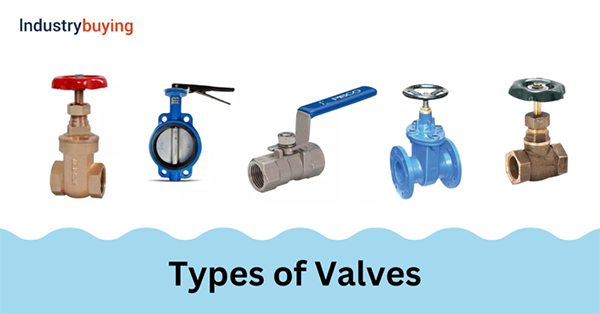
To understand the types of valves better, we can observe the infographics below:
Understanding Different Types of Plumbing Valves
To ensure you use them well, it is important to know the distinctions of all the valves, which are depicted below:
- Ball Valve: The ball valve is designed in a way to control high-pressure liquids and gases by minimizing the pressure drop.
- Butterfly Valve: The butterfly valve is used for regulating the flow of water during disinfection, distribution, and filtering procedures.
- Teflon-Lined Butterfly Valve: The teflon-lined butterfly valves are quarter-turn valves featuring disc-pivots to control flow.The molded liner thick body with PTFE, which prevents corrosion and ensures purity.
- Angle-Valve: Named specifically as angle-valve because of their positions at angles of pipes, these valves help in performing repair work without disrupting other areas.
- Check Valve: These valves are used to ensure flow control in water tanks and keep the water flowing in one direction.
Because of a lack of accurate information on valves, certain mistakes become unavoidable, such as :
Mistake 1: Not Replacing Old or Worn-Out Valves
As rightly said, procrastination is the thief of time. So make sure you change your old valves, as not replacing old or worn-out valves can result in several problems, ranging from minor leaks to heavy overflows.
Mistake 2: Using the Wrong Valve Type for the Application
When all you have is a hammer, everything looks like a nail.
So make sure you don’t use the wrong valve, as it could result in safety hazards.
Loose fittings or equipment causing an overall system failure, which could ruin all your renovation plans.
Mistake 3: Poor Placement of Shut-Off Valves
Poorly placed shut-off valves are those that hide behind the drywalls and are often located in cramped spaces, just like a snake in the grass. This makes emergency repairs impossible, causing immense damage and restricting water flows. The use of quarter-turn ball valves could help in such conditions.
Accessibility and Safety Considerations
There are safety considerations and accessibility issues regarding the poor placement of valves, such as increased risk of damage, poor installation effects, safety hazards during repairs, and risk of fire and explosions as well.
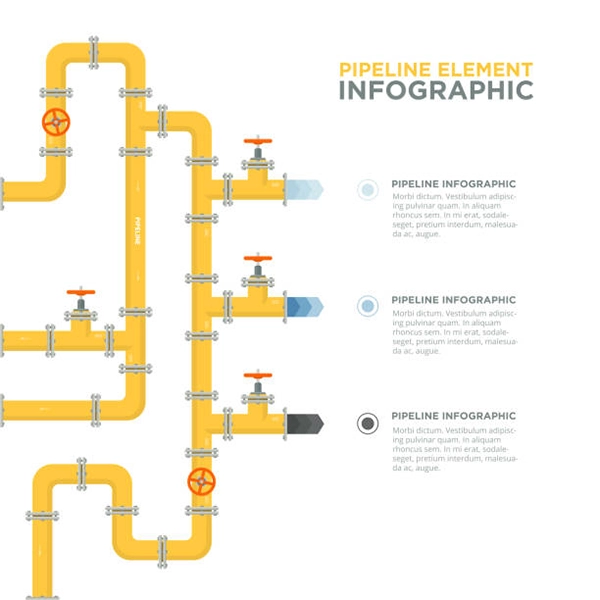
To ensure the accessibility and safety considerations in depth, we can analyse the infographics on pipelines depicting valves as mentioned below:
Mistake 4: Ignoring Water Pressure and Flow Requirements
Ignoring water pressure and flow requirements can result in early rupture of the valve, which would not be economical. It is like gopping in the dark.
This can result in safety hazards, water acquisition, and leakages, preventing any repair in emergencies. So, before choosing a valve, it is best to measure water pressure and flow.
Ignoring these important criteria could result in massive losses.
Historical Fun Fact The first valve was made of bronze.
Mistake 5: Skipping Professional Installation or Inspection
Professionals are always the best option to get the job done. So, if you want a smooth water flow in your house, make sure you hire a professional.
This would help in preventing water contamination, make it accessible for repairs in an emergency, and would even avoid the misalignment and water pressure testing stress.
Mistake 6: Overlooking Local Plumbing Codes and Compliance
Overlooking critical guidelines, such as plumbing codes and compliance, could result in degradation of health, safe water distribution, and sanitation.
These codes are important for combating environmental challenges, and overlooking them could result in safety concerns. So, never ignore a red board.
Conclusion
Whether building a new plumbing system or renovating the previous one, avoiding these mistakes would help you save your time, money, and energy.
It will facilitate you in rebuilding your home as per your thoughts. Making you hit the jackpot.
FAQ
What is the functionality of valves?
Valves control the flow of fluids, gases, and water by opening, closing, and partially obstructing the passage.
What are the different types of valves?
There are a variety of valves, namely ball valves, gate valves, globe valves, check valves, and butterfly valves.
What are the key components of the valve?
The key components of a valve involve the body, endcap, valveball, valvestem, ball seat, gasket, bolt, and operation.
What is another name for an angle valve?
An angle stop valve is often referred to as a ‘pipe valve,’ because of its ability to act as a connector between fixture and main supply pipe.
What is a water valve?
A water valve is a piece of equipment that is used to stop, direct, or regulate the flow of water within a plumbing system.