Although putting in an automatic sprinkler system seems like specialists’ work, with careful planning and a clear grasp of the procedure, homeowners may effectively execute it on their own and save a lot of money. A DIY sprinkler system installation provides complete control over your terrain in addition to lowering labor expenses.
This guarantees stronger plants, less water waste, and a more effective system fit to satisfy your yard’s particular needs. For those who are not a DIY person, sprinkler repair in frisco tx can be a life safr, they offer quality services; do check them out.
Whether you are installing first-time irrigation or improving an ancient manual practice, following a methodical approach can make the project manageable and pleasurable.
Tools and Materials Required for Sprinkler Installation
Before breaking the ground, having access to all the tools and materials will make the installation quicker and smoother. A well-prepared homeowner will always prefer to avoid any unnecessary delays and make sure that every component is installed correctly.
The essential tools include, PVC pipe cutter, a hacksaw, teflon tape, an adjustable wrench, a shovel or trenching tool, marking flags or spray paint, a tape measure, and a pressure gauge. As for other key materials, the homeowner must have PVC or polyethene piping, a backflow preventer, an automatic sprinkler controller, sprinkler heads, irrigation valves, a valve box and filter screens for drip lines ready.
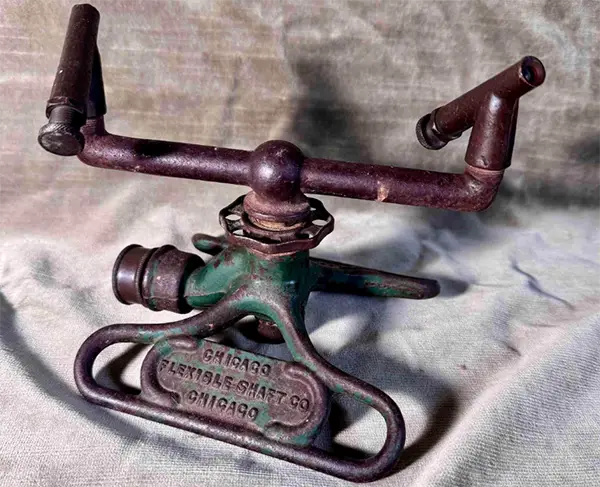
Fun Fact: J.H. Lessler patented the first ‘lawn sprinkler’ in 1871. Before that, people relied on rain or would carry heavy buckets of water to keep their grass green!
Water Supply Connection and Pressure Testing
Getting a reliable water source is the basis to get done a successful installation. Most homeowners connect the sprinkler line to an outdoor faucet or an irrigation tap, which is connected to the main supply line. Method is not essential; what matters is to ensure proper water pressure.
Once the connection is done, a pressure test is also needed using a gauge. The ideal pressure level should be somewhere between 40-60 PSI, depending on the type of sprinkler you are using. Pressure testing will help determine whether you will require a booster or a regulator to ensure that your systems perform well without putting pressure on the pipes or wasting water.
Installing Sprinkler Heads for Even Coverage
Where the sprinkler is placed is essential to achieve even water distribution; poor positioning often results in soggy areas, dry patches or wastage of water. Begin by marking the spray radius of each on the ground using flags or paint.
While you install it, you need to position rotor heads in larger lawn sections, use fixed spray heads for smaller garden areas and make sure to keep heads a little above the soil level, but it shouldn’t interfere with mowing. Each head should be firmly placed on the ground with its spray arc set to avoid driveways, watering fences and the walls.
Did You Know?You can save more water using an automatic sprinkler system than hand watering, as it is programmed to run at a specific time (4 AM to 10 AM), reducing evaporation loss and ensuring water reaches the roots.
Setting up Drip vs. Spray Irrigation Zones
Dividing the zones is important as not all the plants need the same amount of water, and sprinkler zones prevent underwatering or overwatering by distinguishing lawn sprinklers from potted plants, garden beds or shrubs.
You can opt for spray irrigation zones, suitable for delivering water quickly and covering wide areas or drip irrigation zones, which are perfect for vegetable gardens, flower beds, trees and shrubs. Setting up separate zones makes sure that controllers can run each section for the right time duration, and lawn zones might need frequent and shorter cycles, whereas drip zones generally run longer.
Flushing Lines Before Final System Activation
Many times ignored by many homeowners, flushing the lines is a vital first step prior to closing the system and activating the controller. There are several stages to be taken to clean the system:
Unplug or eliminate all sprinkler heads.
One region opens simultaneously.
Run water for a few minutes until you see clear water flowing.
Finally, move the heads or switch out the caps.
These processes guarantee every pipe is clean, hence protecting your investment and preventing future breakdowns.
How to Test for Leaks and Uneven Spray
Once the system is set up totally, testing it comes next by activating one section at a time and painstakingly looking for any leakage at the fittings, water pooling, bubbling ground, or pipe indications.
To identify the issue, a careful assessment of the pipe connections is required. Listen for any hissing sound indicating pressure loss and observe the spray pattern of each sprinkler for overshooting or gaps. Proper testing will ensure that your system performs efficiently and also conserves water.
When DIY installation is not recommended
Even though it is possible to complete a sprinkler system at home, however, many homeowners might need professional assistance. There are certain cases where DIY installation is not recommended, and the help of a professional becomes essential.
Look for a professional’s help when your lawn has complex slopes or elevation changes, when excavation and plumbing expertise are required or when the electrical wiring is beyond your ability and comfort zone, so that you do not face any issues.
How deep should the irrigation trenches be?
Generally, they should be 6 to 12 inches deep; however, in places where the ground freezes, they need to be dug deeper in the winter season.
Can drip and spray heads be mixed in the same zone?
No. Both have different flow rates and pressure requirements, and mixing them will lead to one area being flooded, while the other may just stay bone-dry.
How long can I run each zone?
1 inch of water per week is the typical requirement of lawns, hence it is suggested to water deeply and less frequently for around 5 minutes a day.