





Plant Description and Overview of Goji Berry Plant
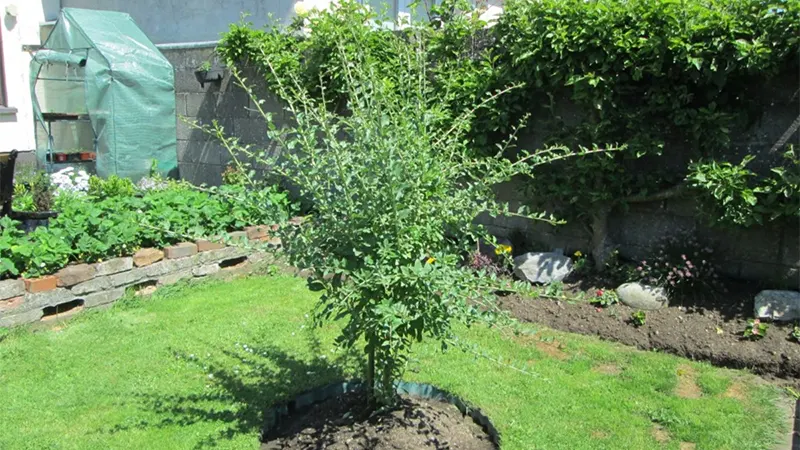
| Common Name | Wolfberry, Boxthorn, or Matrimony vine | Maintenance | Low |
|---|---|---|---|
| Native Region | Mainland East and Southeast Asia | Average Height | 3-10 feet |
| Plant Type | Deciduous woody shrub | Average Width | 4-12 feet |
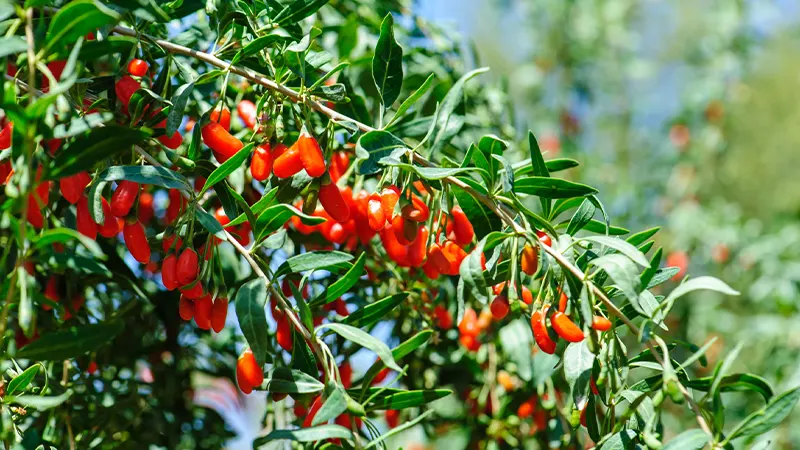
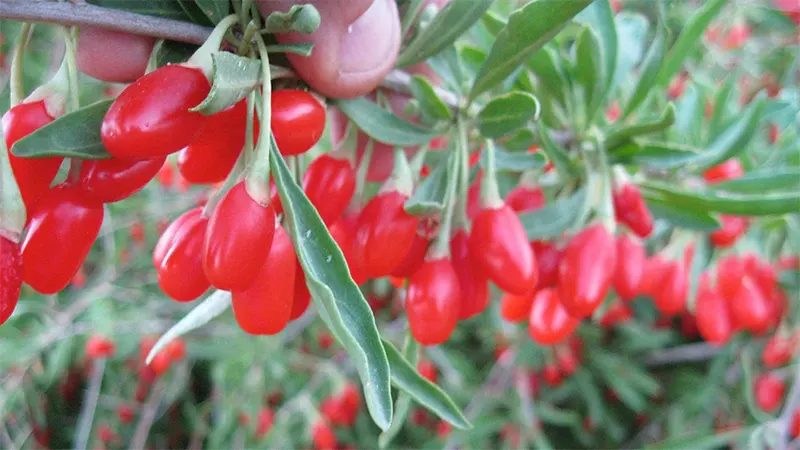
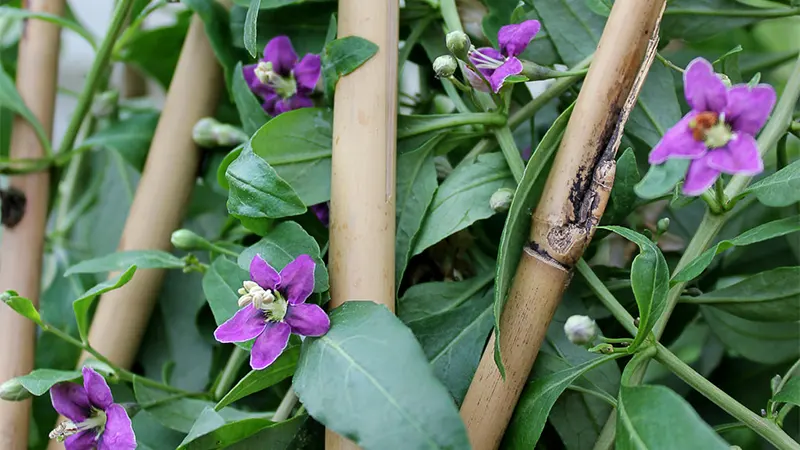
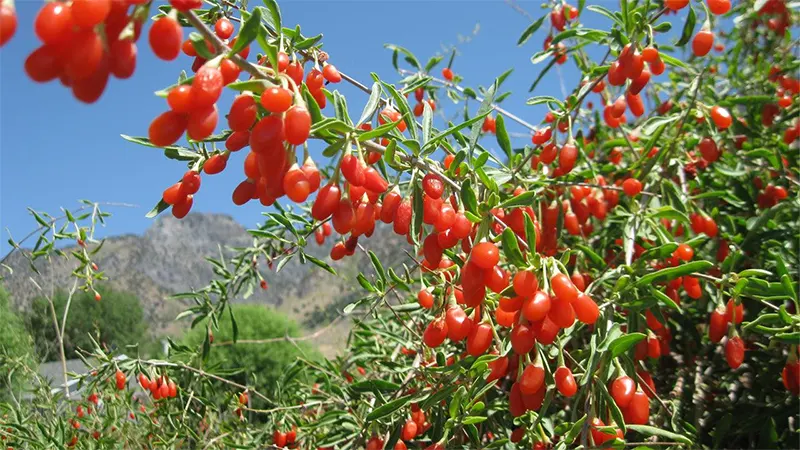
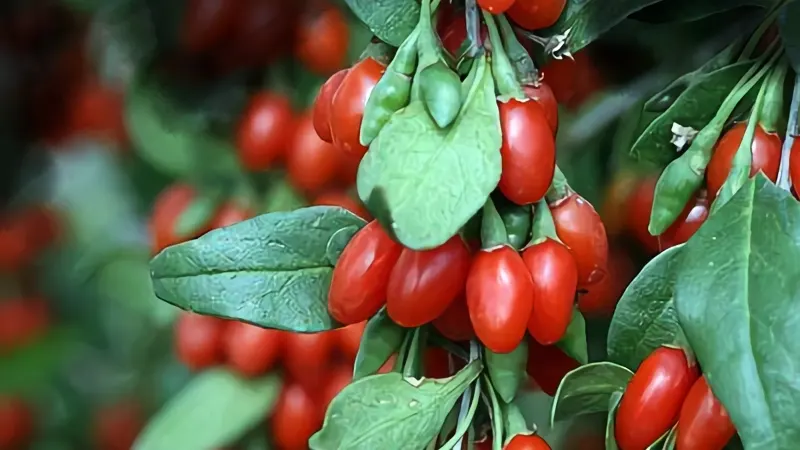
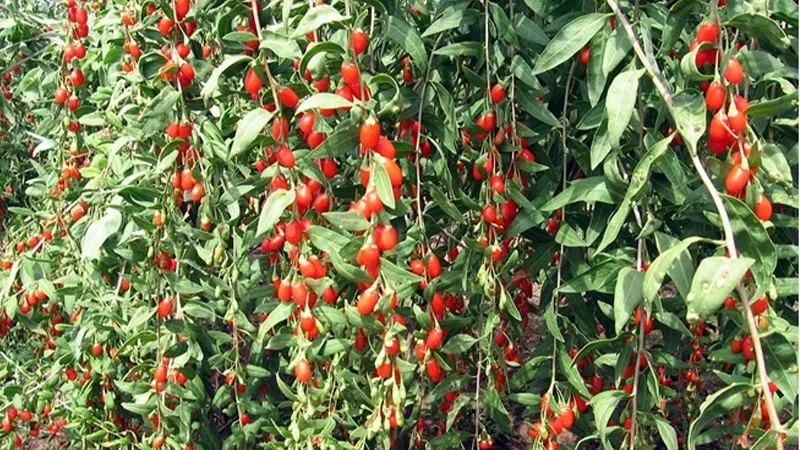
Goji berry plant, botanically known as Lycium barbarum, is a deciduous woody shrub that is planted in many countries. The small bell-shaped purple flowers of this shrub give way to the bright red orange berries that can be eaten fresh or dried. Found full of antioxidants and fatty acids, the berries have been a beneficial ingredient of Asian cuisine for many years.
Key Features and Benefits of the Goji Berry Plan
- Interestingly, both the berries and leaves of this shrub are edible. Consider planting Goji berry plants in the spring to use their leaves and shoots in soups, stews, and tea.
- The backyard Goji berry plant blooms with the purple bell-shaped flowers and lush, bluish green leaves in the early spring. These flushes of blossoms give way to oblong, bright red berries that typically ripen in 35 days after flowering.
- Fertilizing with nitrogen, phosphate, and potassium in the spring can significantly boost the shrub’s growth.
- Traditionally, this self-pollinating shrub been used to tonify the body’s immune system and reproductive health.
Care Guide, Advantages, and Disadvantages of Goji Berry Plant
- Growing Zone : USDA zones 5-9
- Light Exposure : 6-8 hours of daily direct sun exposure is required for maximized fruit yields.
- Water Needs : Thorough watering is required in the first month to get it established. Once established, it is drought-tolerant.
- Soil Type : Highly adaptable to well-drained sandy, loamy and clayey soils with neutral to alkaline pH.
Advantages
- The berries are highly rich in vitamin C, carotenoids, fiber, and polyphenols, which contribute to overall well-being.
- Strongly tolerant to wind, drought, and salt-laden air once established.
- Thanks to being self-pollinating, these shrubs offer ease of cultivation and can be easily grown in containers.
- Rich in antioxidants, particularly zeaxanthin and beta-carotene, these berries support eye health, immune function, and improve mood and skin vitality.
Disadvantages
- The plant can spread rapidly through suckers and seeds; monitoring is crucial to prevent it from taking over the garden.
- Due to thorns, it’s challenging to plant and maintain these shrubs.
- The plant produces fruits very slowly, typically after 2 years, and full production can be seen after 3-5 years.
- Excessive consumption can show side effects like diarrhea and indigestion, and can also cause allergic reactions in sensitive individuals.


Charles Robertson –
First time I got to eat these berries at my neighbour’s place, the flavour was mild, slightly bitter and tangy. I think it will taste delicious in a smoothie. Planted this shrub a month ago, can’t wait to see the flowers and berries draped over it.
Emily Baker –
Who doesn’t love Goji berries? The shrub has recently started blossoming in my garden. The berries are packed with vitamins, zinc, and iron. I love how it tastes, so unique, like the cross between cranberry and tomato.
Benjamin Wilson –
The shrub doesn’t require much care after it gets established. They are self-pollinating and need minimal pruning to keep them in a manageable size.
Elijah Quinn –
Thanks to the multifaceted features of this shrub, it transitions from season to season. In the spring season, it looks best with delicate bell-shaped blooms, becoming the centre of attraction in the garden.