


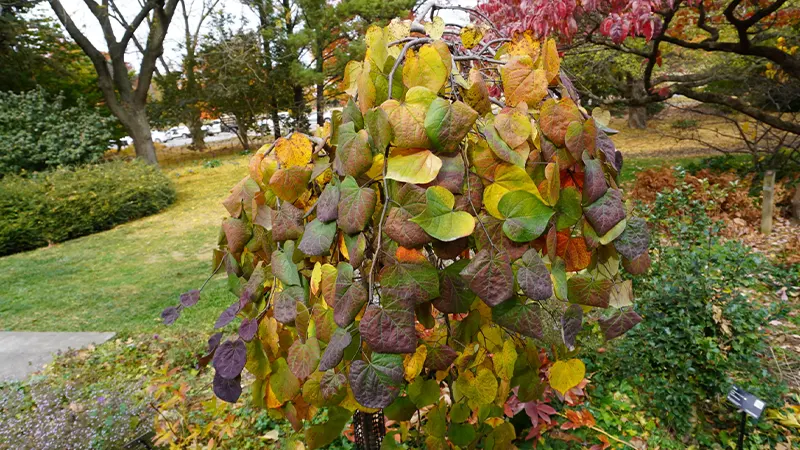


Plant Description and Overview
| Common Name | Ruby Falls Redbud, Ruby Falls Weeping Redbud | Maintenance | low |
|---|---|---|---|
| Native Region | Eastern Redbud (parent species) is native to eastern and central North America. Ruby Falls was developed at North Carolina State University. | Average Height | 6-8 feet |
| Plant Type | Small and weeping ornamental tree or shrub | Average Width | 4-6 feet |
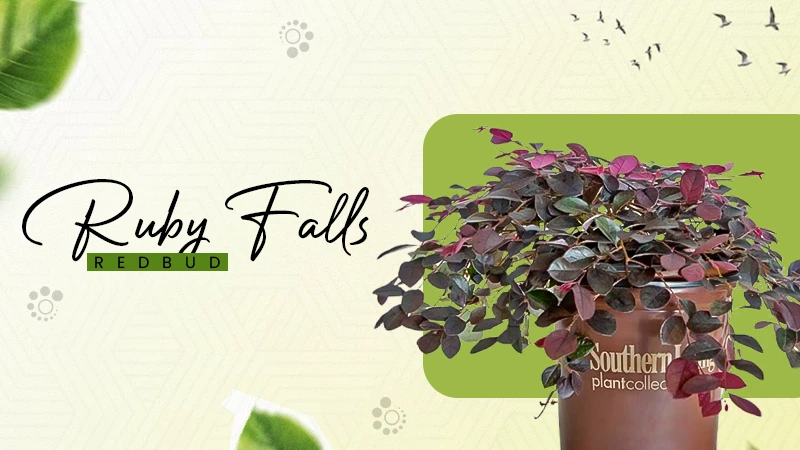
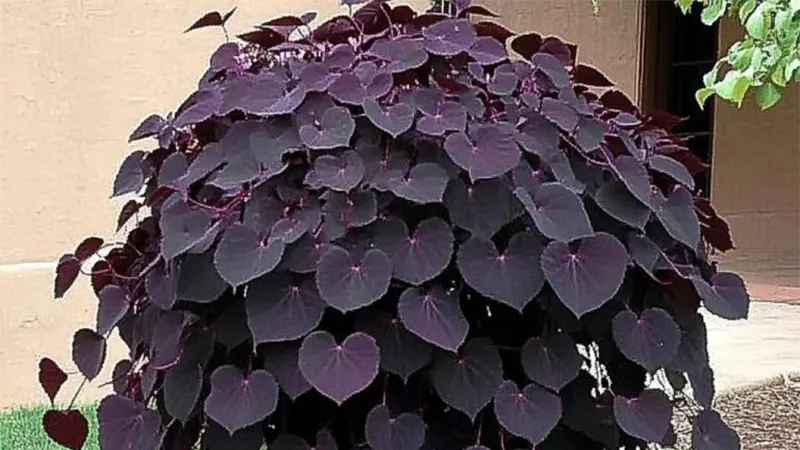
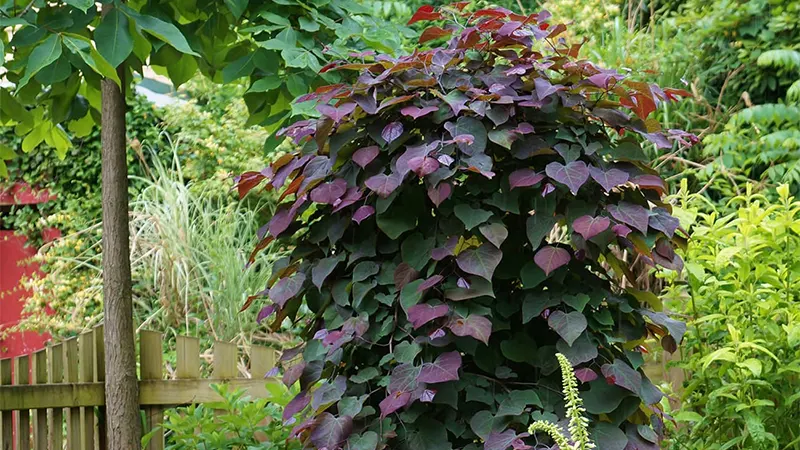
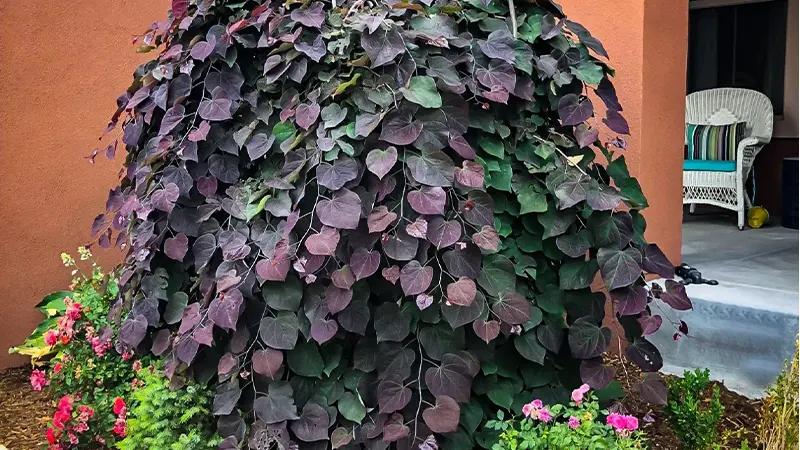
Cercis canadensis Ruby Falls Weeping Redbud is a compact ornamental shrub with visually pleasing heart-shaped burgundy leaves and spring-blooming lavender-red flowers. It grows optimally in sunny and protected spaces away from the harsh winds. Branches growing in an impressive zigzag pattern make it a perfect specimen for your gardens and containers.
Key Features and Benefits of Ruby Falls Redbud
- In early spring, before the leaves emerge, the small lavender-red flowers bloom in pea-like shapes on the bare red stems, contributing to the aesthetic appeal.
- Compact size of 6-8 feet makes it ideal for small gardens, courtyards, and urban landscapes.
- Though it can thrive in partial shade, the more sunlight, the more vibrant and glossy the color of the leaves.
- Ruby Falls Redbud tree features a shallow, spreading root system that needs protection from too much moisture and temperature extremes.
Care Guide, Advantages, and Disadvantages of Ruby Falls Redbud
- Growing Zone : USDA Zones 5-9
- Sunlight Exposure : Attains the best color when provided with 6-8 hours of direct sun exposure, though it is tolerant of partial shade.
- Water Needs :Drought-tolerant once established, but needs consistent moisture. Weekly deep watering is recommended.
- Soil Type : Moist and well-drained soil is preferred, including loam, sand, or clay with acidic to neutral pH levels.
Advantages
- Generally requires less pruning, only to remove dead and damaged branches.
- The hanging branches contribute to architectural beauty, compared to Japanese maples.
- Deer and pest-resistant, and highly tolerant to urban pollution.
- Stunning visual appeal of colour-changing heart-shaped leaves from burgundy to dark green to red to yellow according to the seasons.
Disadvantages
- Prone to fungal diseases such as canker and leaf spot, which lead to branch dieback.
- Susceptible to root rot in consistent standing water or “wet feet” condition.
- Showcase transplanting difficulties because of its deep taproot.
- Just like the other redbuds, Ruby Falls Eastern Redbud is not a very long-lived tree, living for 20-30 years and sometimes up to 50 years.


Cynthia Hemans –
I have this plant in my courtyard. My grandmother told me about its colour-changing, cute heart-shaped leaves.
Robert Charles –
Thanks to Ruby Falls Redbud’s beautiful purple-pink flowers, in the spring season, I get to see many colourful butterflies and bees in my garden.
Mary Garcia –
Some years back, my mother planted it in a container that is kept in the patios, the best part is that it does not produce many seed pods, keeping the surroundings tidy.
Olivia Brown –
Its branches weep downwards, which gives a unique waterfall kind of shape, becoming the top attraction in my courtyard.