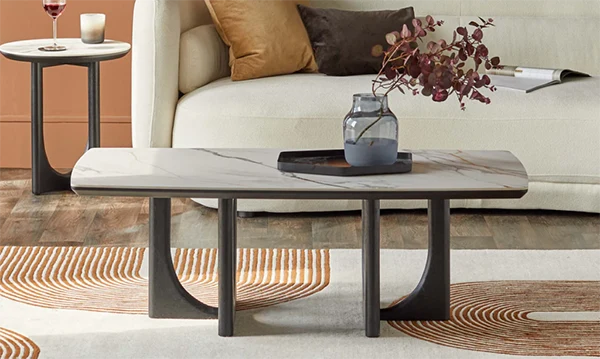
Want to add elegance to your living room and got stuck while picking a perfect one? Planning on contemporary coffee tables is not just about finding the options that look good. Selecting an ideal coffee table is about searching for a central element that is missing in your living room for a stunning look.
Every minor aspect in relation to the coffee table plays an important role in creating a perfect living room coffee table design – from deciding the right size and proportion to merging it with your room aesthetics.
Many more crucial aspects are there that truly align with your modern living room. Go through this post to explore the seven practical tips for choosing a contemporary coffee table for your own ‘unique’ living room.
Key Takeaways
- A right coffee table can add both functionality and style to your living room.
- Minimalistic design, diverse materials, and versatility are the three major differentiating factors for a coffee table.
- It’s crucial to consider your budget, space measurements, and seating layout before sticking to any specific design.
Why the Right Coffee Table Matters in a Modern Living Room
A coffee table is not only a simple decorative item – it is a necessary element that is a combination of functionality and style. It adds a stylish and prominent area where one can place drinks, books, and other necessary items while also adding to the overall beauty of the room.
As the focal point in your contemporary living room – coffee table meets both functional and aesthetic requirements. It handles the seating arrangement and works harmoniously with the room’s flow and offers functional space for various activities.
In the modern living room, it has become crucial for enhancing comfort, style, and functionality.
Understanding Contemporary Coffee Table Design
Before understanding the aspects that will make your choice a better one. Understanding contemporary coffee table designs is essential for making the right choice –
- Minimalistic design – Simple tables with clean lines and geometric shapes.
- Diverse materials – Including glass, metal, wood, and even marble for a luxurious touch.
- Versatility – Fitting every space, from rectangular and oval to asymmetrical.
Tip 1: Choose the Right Size and Proportion
The size and proportion of the tables will define what your end goal is behind buying the coffee table. One may want an open and uncluttered table driven by fine aesthetics or may go for smaller coffee tables. And in case of massive space available in the living room, look for large coffee tables with integrated components.
For spaces already having too much furniture in the room, avoid choosing something that gets noticed.
Tip 2: Select Materials That Match Your Living Room Aesthetic
The material of your coffee table will highly affect the aesthetics.
It includes wood, metal, marble, and glass, which offer unique visuals and other functional characteristics. Coffee tables constructed from wood often give a traditional look that symbolizes detailing.
At the core, there are four materials only – wooden tables, glass tables, upholstered tables, and marble and stone ones.
Before selecting a material, consider its maintenance and care aspects to ensure its beauty remains for many years.
Tip 3: Consider the Budget Before Sticking to a Design
While budgeting for a coffee table, it is essential to balance quality with affordability. The average range to buy a coffee table goes from $150 to $400 – driven by various factors, including materials, design, and brand.
While many may suggest you go for the cheapest options, prefer investing in a quality coffee table, as it will act as a long-term investment – lasting longer and having better functionality.
Do not forget to consider shipping costs, as they can highly influence your overall budget.
Tip 4: Balance Style with Everyday Functionality
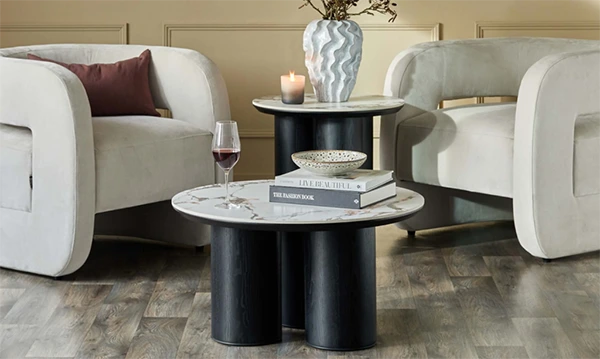
Style needs to be prioritized, but functional features are what work best for you after the purchase. Here are some modern features that go beyond the design –
- Storage option: Drawers and shelves for storing clutter.
- Adjustable Heights: Flexible heights to meet both the dining and work needs.
- USB port: Built-in USB port for charging accessories.
Tip 5: Match the Coffee Table with Seating and Layout
Choose a coffee table after considering the maximum number of people you usually have to arrange seating accordingly. Take one as an extra.
Match the color palette that goes well with your room. Furthermore, try to tune the texture and material for added depth to your living room. When the coffee table seems to be in coordination with the other materials; it looks elegant without being outlined.
Tip 6: Focus on Finish, Color, and Visual Weight
Selecting a coffee table requires a balance of physical, visual, and stylish features to make sure it functions both as a centerpiece and a practical surface. The key is to focus on the table’s finish (material/texture), color, and visual weight.
While deciding on colors, prefer neutral ones, as they work in almost every environment. And to add elegance to your space, discover the 6 easy ways to transform plain floors into attractive focal points.
Tip 7: Choose a Design That Fits Your Lifestyle and Maintenance Needs
Matching the design of the coffee table to the living room is important for creating a stylish look. Understand what features your space can entail and what size and shape will suit accordingly.
Above these, consider the ambience of the room and then match it with your lifestyle. If the table soothes the mind and feels like a perfect fit for the home, get it selected.
Final Thoughts
Selecting a coffee table needs a balance of aesthetics, functionality, and budget. By analyzing the size, shape, and function of your coffee table, one can choose between the functionality of the space while making it elegant.
Remember to measure the space, understand daily needs, and then invest in quality instead of quantity.
Frequently Asked Questions
What should be the ideal height of a coffee table?
Usually, the height should either be equal to the height of the sofa or a bit more than that.
How to choose material according to the design?
If your space is modern, look for a glass table and if your home feels traditional, then go for the wooden or marble ones.
Are coffee tables always associated with extra storage?
No, you have to choose between different types. Many provide extra space, while many just focus on the style.